Iran demands inbound control of Hormuz and outbound oversight
The demands also specified that outbound traffic would follow a route between Iran and Oman, with exit clearance granted by Oman after Iran was notified.
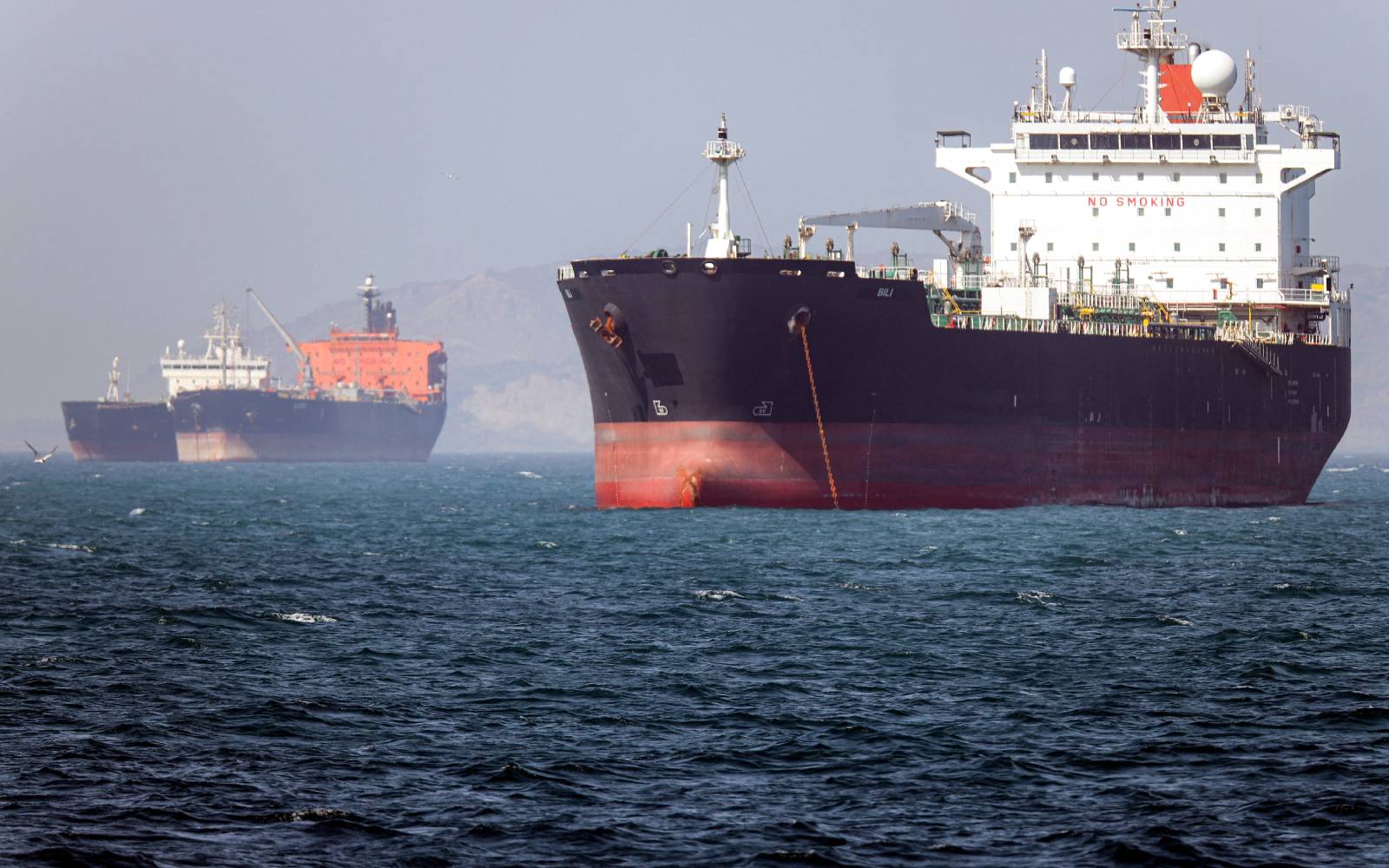
In a bid to reopen the strategically crucial Strait of Hormuz, Iran is pushing for control over inbound shipping and oversight of outbound traffic, according to a senior Iranian source speaking to Reuters. This temporary plan being discussed with Oman aims to address security concerns while ensuring long-term regional stability, a position Tehran has shown flexibility in adjusting.
The outbound lane would likely follow a route between Iran and Oman, with exit clearance granted through Oman after notifying Iran. Despite initially seeking full control over both inbound and outbound traffic, Iran is unlikely to deviate from its current stance. Tensions surrounding the waterway have been a key obstacle in efforts to end the ongoing conflict between the US and Iran, with Washington insisting on Iran's compliance in reopening the strait as part of a June memorandum of understanding, while Iran maintains its authority over shipping traffic.
The Strait of Hormuz, a 34 km (21 miles) wide waterway connecting the Gulf to the Indian Ocean, plays a vital role in transporting approximately a fifth of global oil supplies and other essential commodities.
Written by urgent.news from Free Malaysia Today's reporting — not their text. Machine-written — may contain errors; check the original before relying on it.
This story
This is one outlet's version. Read the fullest account.
- Iran and Oman discussing plan to split control of Hormuz shipping routes middleeasteye.net
- Trump’s strategy on Iran may pay off as deal appears imminent al-monitor.com
- Trump threatens Iran with "decapitation" as questions surround Strait of Hormuz, deal's future cbsnews.com
- Iran vies for expanded control over Strait of Hormuz in possible deal with Oman - report jpost.com
- US says deal on reopening Hormuz close as Iran, Oman hold ‘positive’ talks aljazeera.com
- (LEAD) U.S., Iran could reach deal this week to reopen Strait of Hormuz: Bessent en.yna.co.kr