Europe's heatwave causes power and cargo headache as rivers shrink
A summer of blistering heatwaves has resulted in record low water levels in Europe, curtailing river transport and drastically reducing electricity generation. Europe’s two great rivers, the Rhine and the Danube, have been seriously affected, resulting in a water-cooled nuclear power plant operating at just 10 per cent capacity and cargo being moved by rail instead. The level of the Danube has…
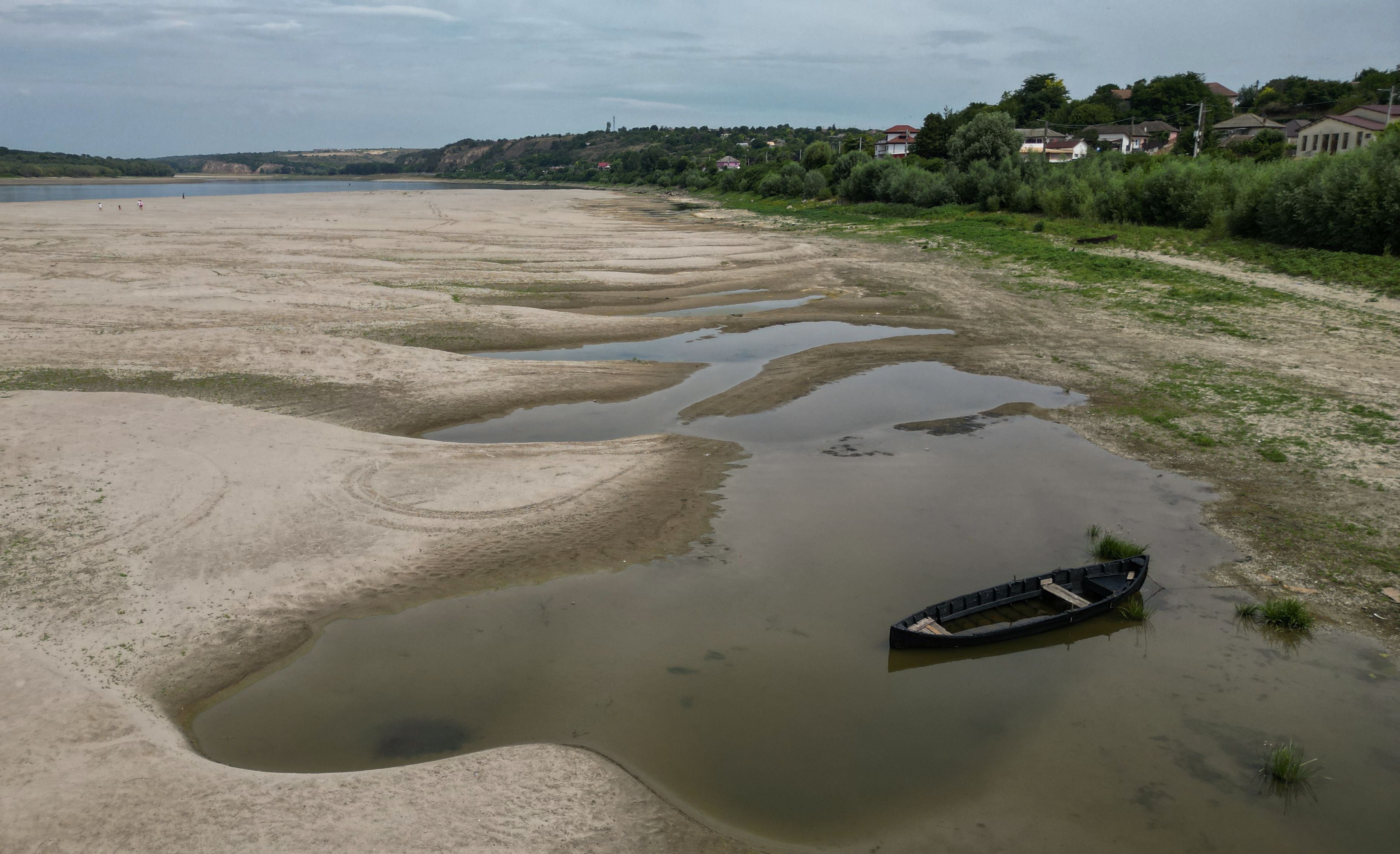
Europe is grappling with the impacts of an ongoing summer heatwave, which has led to record low water levels in major rivers such as the Rhine and Danube. These record lows have caused significant issues for river transport, with cargo being moved by rail instead of water, and nuclear power plants operating at significantly reduced capacities.
The Danube's water level has fallen below 10cm, while the Rhine has dropped below 25cm, prompting concerns over the economic impact of these heatwaves and the increasing reliance on imported fossil fuels and variable renewable energy sources. The Rhine's water level has hit its lowest point in nearly 150 years, while the Danube's water level fell to 24cm, the lowest in 138 years of record-keeping.
This has resulted in higher freight rates, as barges are forced to reduce cargo loads. The disruption in river transport has led to logistical bottlenecks, with cargo volumes between Rotterdam and the Rhine falling around 10% lower than normal. Hungary's only nuclear plant, Paks, has been operating at just over 10% capacity due to insufficient water for cooling, and it may remain idle for weeks, necessitating increased power imports.
Romania's sole nuclear power plant, Cernavoda, has been given a temporary boost by the Romanian navy detonating a rock formation to create a temporary dam for increased water flow. France's river-cooled nuclear plants have faced a record number of heat-related outages, contributing to a sharp drop in nuclear power generation during periods of extreme heat.
The situation in the Alpine and Nordic regions is further exacerbated by low hydroelectric reservoir levels, potentially leading to a lack of flexible electricity generation during the peak heating season, at a time when natural gas storage is already lower than usual.
Written by urgent.news from The National UAE's reporting — not their text. Machine-written — may contain errors; check the original before relying on it.
This story
This is one outlet's version. Read the fullest account.
- Romania, Hungary, France... Europe's nuclear power plants tested by heatwave france24.com
- Europe’s wildfires became so intense they created their own storm sciencedaily.com
- Wildfires, low levels on rivers as Europe feels the heat rte.ie
- Conspiracy theories blaming Jews for Europe's wildfires are spreading online, Cyberwell warns jpost.com
- Austria hits record temps, wildfires in Greece, Albania as Europe feels heat abc.net.au
- Canadian wildfires are reducing solar power generation in Europe newscientist.com
- How much of a challenge are wildfires to Europe? aljazeera.com