Gardeners are ditching lavender for this tougher, long-blooming shrub — and it doesn’t go woody
Struggling with lavender? Why this resilient alternative is a better choice.
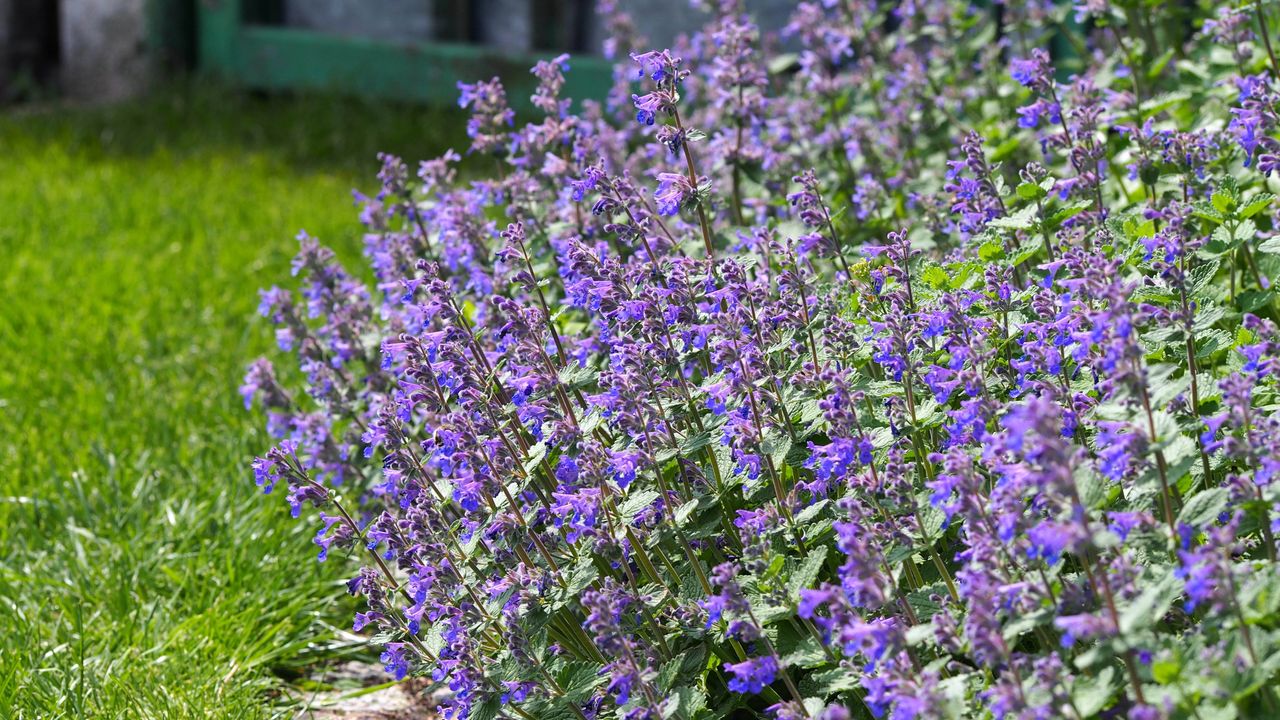
For gardeners who love the timeless charm of lavender, but are frustrated by its tendency to become woody and less hardy, there's a new contender in town: Nepata, commonly known as catmint. This hardy shrub boasts the same beautiful purple blooms and easy-going attitude, but with added advantages that make it a worthy alternative to lavender.
Nepata's hardiness is one of its standout features, thriving in USDA hardiness zone 3 and beyond. Unlike lavender, which can turn woody after a couple of years if not pruned properly, catmint requires far less maintenance to stay in top form. Expert Victor Castro, from Nursery Project USA, emphasizes that nepata doesn't succumb to woodiness and blooms continuously from early spring until early fall, outperforming lavender in both longevity and fragrance.
Catmint's ease of care is another key benefit. While lavender demands regular pruning to prevent woodiness and must be watered carefully to avoid root rot, catmint tolerates neglect and thrives in well-drained soil. Its drought-tolerance makes it an excellent choice for regions with limited water availability. Regular pruning and deadheading further enhance its appearance and promote a second bloom later in the season.
While lavender may have become synonymous with cottage-style gardens, catmint offers a similar aesthetic appeal with its lavender-blue flowers and silver-grey foliage. It's also edible, making it an attractive option for pollinators and humans alike. With its easy-care nature, long blooming season, and hardiness, catmint is quickly becoming the go-to choice for gardeners seeking a low-maintenance, versatile shrub that captures the essence of the cottage garden without the drawbacks of lavender.
Written by urgent.news from Tom's Guide's reporting — not their text. Machine-written — may contain errors; check the original before relying on it.