EU eyes tougher border controls after Ceuta migrant surge triggers alarm
European Union ministers are demanding stricter measures against migrant smuggling networks. They also seek stronger return policies following a large influx into Ceuta. The bloc is enhancing border security and intelligence sharing with external partners. Disinformation by smugglers fueled the unprecedented migration surge into the Spanish enclave. This crisis has reignited divisions within the…
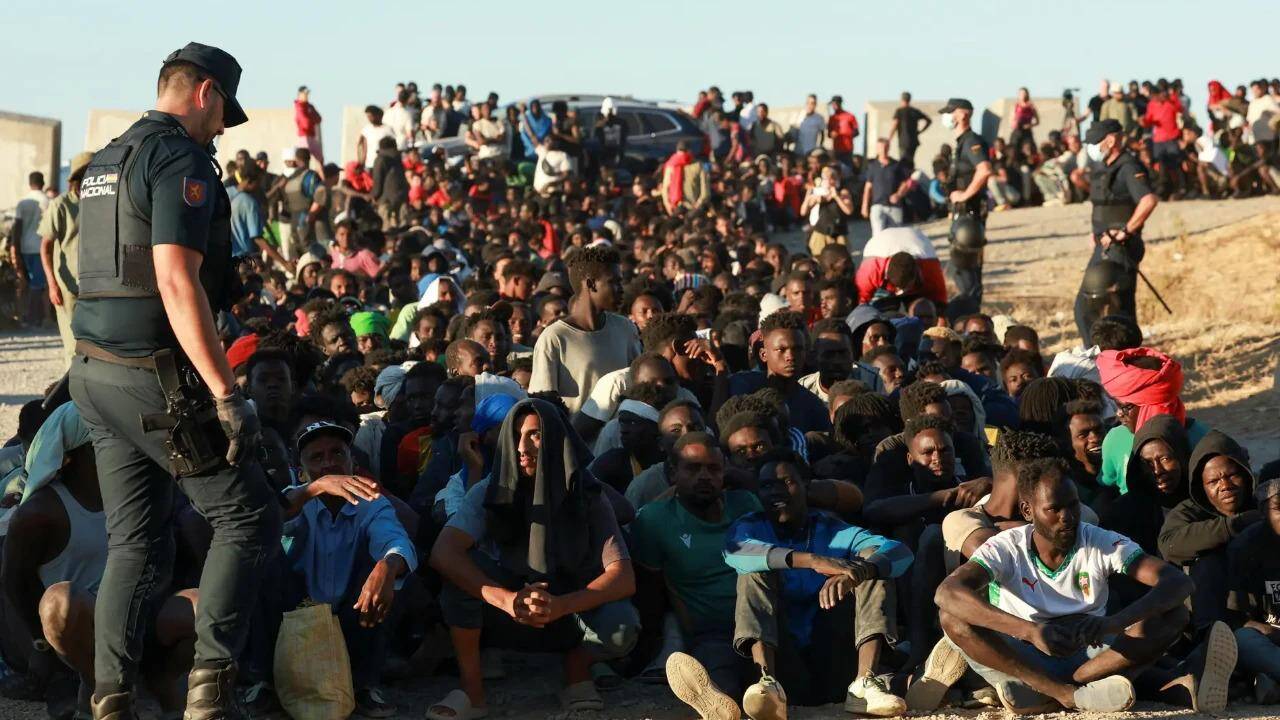
European Union interior ministers convened an emergency meeting on Tuesday to address the surge of migrants entering Ceuta, a Spanish enclave on North Africa's coast. Over 72,000 migrants had crossed into Ceuta last week, sparking alarm across the 27-member bloc. The emergency meeting followed a wave of migration that left at least 75 people dead, with many drowning or crushed during the crossing.
EU Commissioner Magnus Brunner blamed criminal smuggling networks and misinformation on social media for the influx. Brunner said, "There is an ongoing investigation of the matter (Morocco's role in the massive break) in Spain... there was of course some disinformation by the smugglers and the human traffickers, that's what we know for sure."
EU ministers discussed measures such as enhanced intelligence-sharing, closer monitoring of social media, stronger border protection, and deeper cooperation with non-EU countries to curb irregular migration. Morocco's role in the crisis remained under scrutiny, with analysts suggesting that Moroccan authorities may have turned a blind eye to the crossings.
Spanish Interior Minister Fernando Grande-Marlaska defended Spain's actions, stating that the country had installed a maritime barrier and received no indications of a planned mass crossing. The migration surge has reignited divisions within the EU, with some leaders criticizing Spain's policies. Denmark called for increased EU funding for border security, while Italy proposed new external processing hubs and return centers.
Greek Prime Minister Kyriakos Mitsotakis advocated for temporary suspension of asylum registrations during mass migration events. The humanitarian situation in Ceuta remains challenging, with many migrants living in poor conditions. The crisis has sparked debate over EU migration policies, with some countries suspending Schengen travel arrangements with Spain and calling for coordinated action to strengthen the bloc's external borders.
Written by urgent.news from Times of India's reporting — not their text. Machine-written — may contain errors; check the original before relying on it.