Beekeepers urge growers to add pollination services to their business plan
Experts warn that free pollination from wild bee populations is disappearing as varroa mite spreads further north in Queensland.
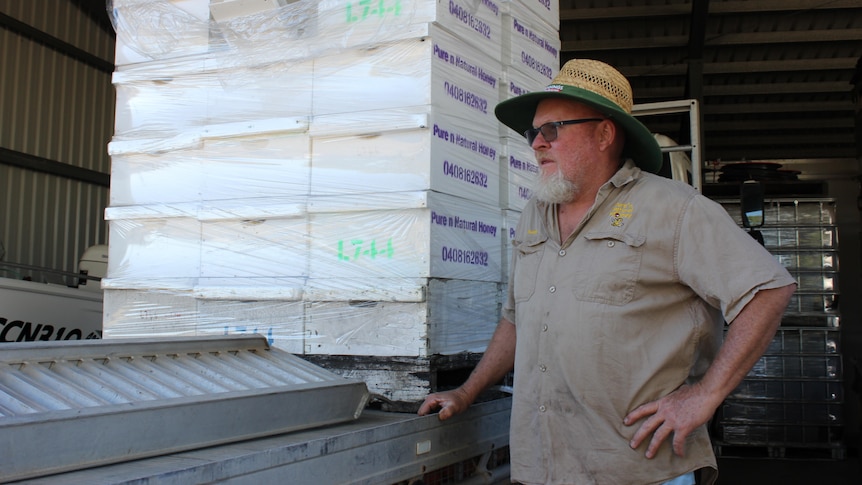
Australian feral honey bees face a decline due to a varroa mite infestation, reducing their numbers for pollination purposes in the horticulture industry. Growers are being encouraged to contract pollination services from commercial beekeepers to maintain crop yields. The Australian horticulture sector has traditionally depended on millions of feral honey bees for crop pollination; however, the spread of varroa mites in Queensland could diminish free pollination from wild bees, forcing growers to seek commercial solutions.
North Queensland commercial beekeeper Keith Lang emphasized that pollination services cannot be taken for granted. While honey bees contribute about $4.6 billion annually in pollination services, helping produce nearly 65 horticultural crops nationwide, their populations have dwindled due to varroa mite infestation. As these colonies dwindle, growers will increasingly rely on managed hives provided by commercial beekeepers.
The beekeeping industry is facing increased costs and labour requirements due to managing varroa mites, alongside low honey prices making it challenging for many businesses to stay profitable. Surveys suggest that several commercial beekeepers are contemplating leaving the industry as demand for pollination services rises. The Australian government is supporting the sector through a new Research, Development and Extension (RD&E) Plan, focusing on enhancing varroa mite management, bee breeding, pollination research, biosecurity, and assisting commercial beekeepers in maintaining healthy hive numbers for both honey production and crop pollination.
Horticultural agronomist Lisa Fyffe highlighted the critical role of pollination for crop production, as the European honey bee is the most effective pollinator. With the potential loss of wild bee populations due to varroa mite, growers may need to invest more in commercial beekeepers, who currently face soaring pollination costs, doubling per hive.
Horticulture experts recommend growers to plan for pollination services earlier, integrating them into their seasonal planning to anticipate future needs and communicate effectively with beekeepers. Both industries emphasize the necessity of strong communication between growers and commercial beekeepers as Australia adapts to living with varroa mite.
Written by urgent.news from ABC News AU's reporting — not their text. Machine-written — may contain errors; check the original before relying on it.