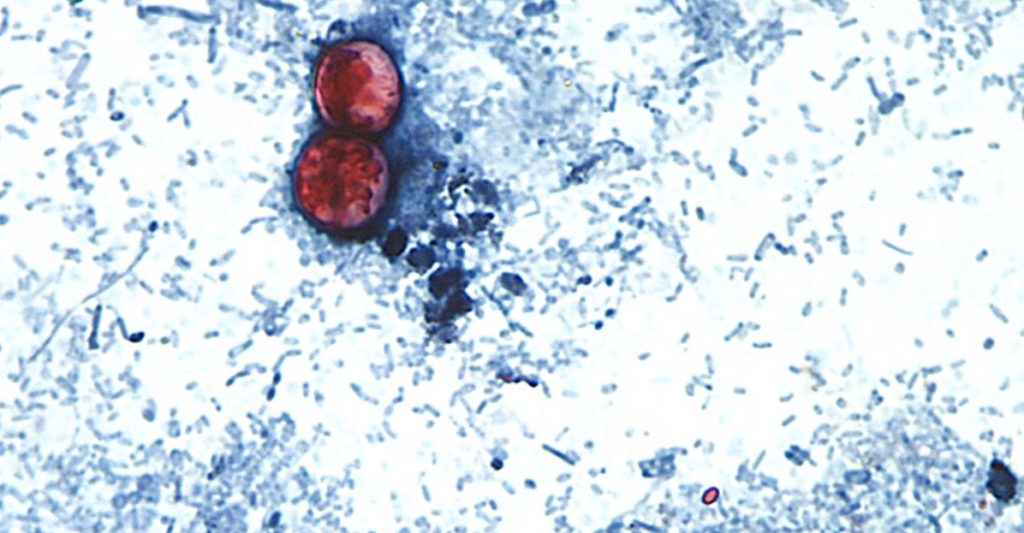
Leptomeningeal Disease in HER2-Positive Metastatic Breast Cancer
(MedPage Today) -- About 110,000 new cases of leptomeningeal disease (metastases of cerebrospinal fluid or the thin membranes that surround the brain and spinal cord) are diagnosed each year in the U.S., with the incidence varying among cancer...
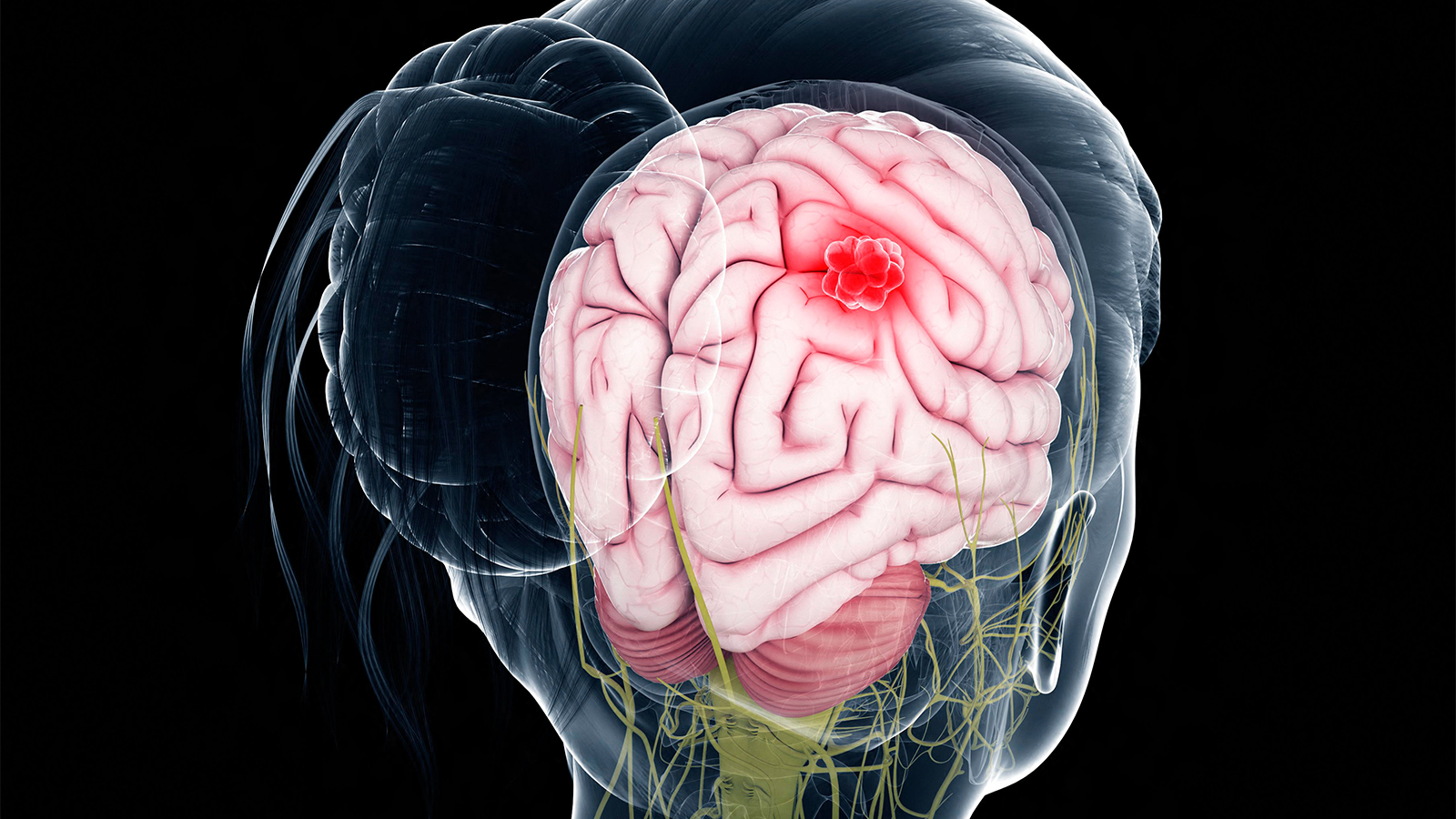
Leptomeningeal disease, a rare condition affecting the membranes surrounding the brain and spinal cord, is increasingly observed in patients with HER2-positive metastatic breast cancer. This condition, which accounts for 5% to 8% of breast cancer diagnoses in the U.S., presents a poor prognosis with a median survival of 4-12 months following diagnosis. Despite numerous therapeutic advancements for HER2-positive breast cancer, leptomeningeal disease remains a significant challenge.
Symptoms of leptomeningeal disease are primarily neurological, including headache, nausea, vomiting, weakness or numbness in the limbs, sensory changes, balance issues, mood changes, dizziness, cognitive difficulties, and urinary or bowel control problems. Diagnosis often involves lumbar puncture and cerebrospinal fluid analysis, making early detection crucial.
Treatment options are limited due to the disease's diffuse nature, making surgical removal or whole-body radiation toxic. Intrathecal chemotherapy, radiation therapy, and intrathecal trastuzumab have been standard treatments. Recent studies have explored targeted and systemic therapies, such as tucatinib and antibody-drug conjugate trastuzumab deruxtecan.
A phase II study at the University of Texas MD Anderson Cancer Center, published in Nature Cancer, demonstrated promising results with the combination of tucatinib, trastuzumab, and capecitabine. This regimen improved symptoms and extended survival in some patients with leptomeningeal disease, with a median overall survival of 10 months. The treatment also delayed disease progression and improved neurologic deficits in 58% of patients.
The study highlights the importance of collaboration between oncologists and neuro-oncologists/neuroradiologists in managing leptomeningeal disease. It also addresses the need for research involving patients who have historically been excluded from clinical trials. Another study published in the same journal showed clinical benefit in eight patients with heavily pretreated HER2-positive metastatic breast cancer and progressing leptomeningeal disease treated with trastuzumab deruxtecan.
Further investigations are underway, including a phase II/III study evaluating the HER2-specific tyrosine kinase inhibitor RO7771950 in combination with trastuzumab and capecitabine. This trial, which includes patients with leptomeningeal metastases, aims to advance treatment options for this rare and challenging condition.
Written by urgent.news from MedPage Today's reporting — not their text. Machine-written — may contain errors; check the original before relying on it.