How the black mamba hunts, strikes and captures prey at high speed
Renowned as one of Africa's deadliest inhabitants, the black mamba is a swift and aggressive serpent that can grow to an impressive fourteen feet. Its venom, rich in neurotoxins, results in a fatality rate of nearly one hundred percent if medical intervention is not administered promptly. In many remote regions, the difficulty of obtaining antivenin enhances the danger these snakes present.
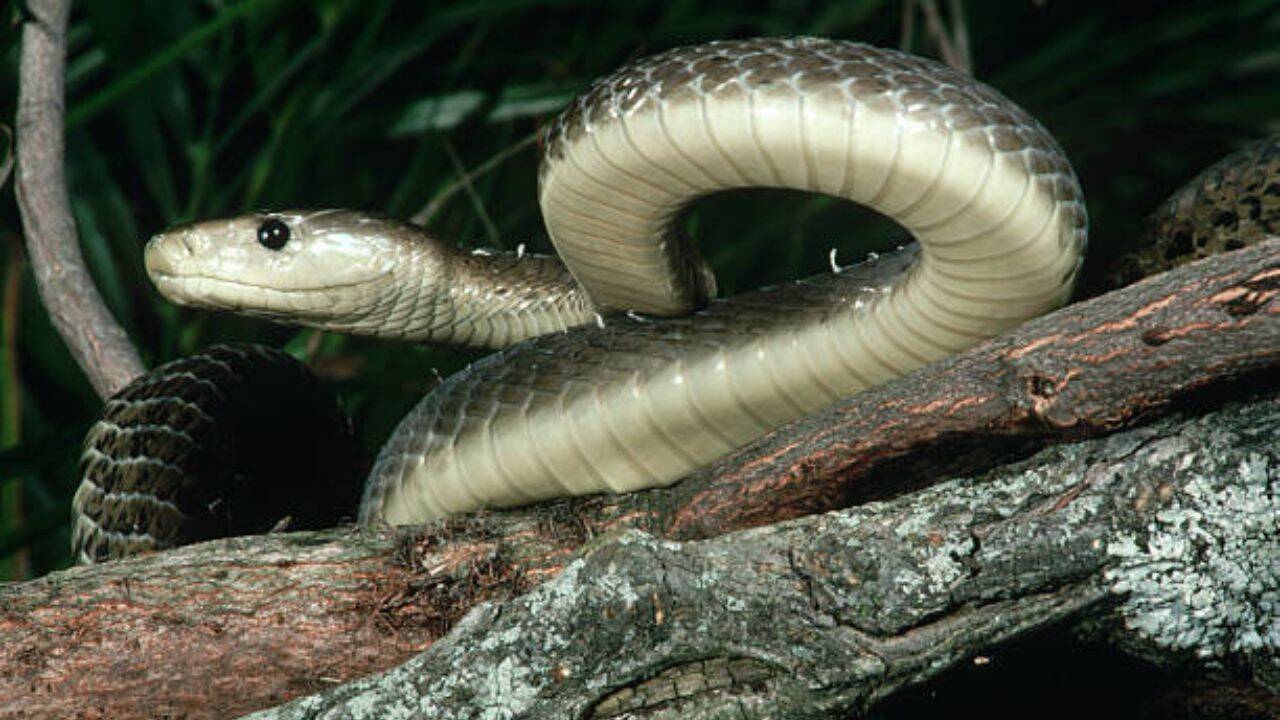
Black mambas, the world's deadliest snakes, are known for their speed, lethal venom and aggressive nature. Capable of reaching up to 12.5 miles per hour, these snakes are found in the savannas and rocky hills of southern and eastern Africa, where they grow up to 14 feet long. While their appearance varies from olive to grey, the inside of their mouth displays a striking blue-black color when threatened.
Males and females share similar appearances, and breeding occurs in spring and early summer. Males engage in wrestling matches with rival males to find mates. Female black mambas lay between 10 and 25 eggs, which hatch in about 80 to 90 days. The hatchlings are independent from birth and can grow to 2 meters in length within a year, although they must be cautious of predators like mongooses.
Despite their reputation, black mambas are often shy and will flee from confrontation. However, when threatened, they display an impressive hunting strategy. They raise their heads up to 1 meter off the ground, spread their cobra-like neck-fap, open their black mouths and hiss. When an attacker persists, the mamba strikes repeatedly, injecting large amounts of potent neuro and cardiotoxin with each strike.
The venom of a black mamba is highly toxic, with just two drops capable of killing a person. An average bite delivers between 100 and 120 milligrams of venom, though up to 400 milligrams have been recorded. The venom contains both neurotoxins and cardiotoxins, causing rapid paralysis and digestive enzymes to begin breaking down the prey before it is swallowed whole.
A black mamba bite can lead to symptoms such as swelling, pain, loss of tongue and jaw control, slurred speech, vision problems, drowsiness, paralysis, and mental confusion. Without treatment, the fatality rate is 100 percent, making it one of the deadliest snakes in the world. Antivenin is available in urban areas but remains scarce in rural regions, leading to frequent mamba-related deaths.
Written by urgent.news from Times of India's reporting — not their text. Machine-written — may contain errors; check the original before relying on it.