Climate Change is making malaria worse in parts of Africa while wiping it out in others, new study finds
A major new study published in the journal Nature has found that climate change is redrawing the malaria map across Africa, making the disease worse in cooler regions like southern and East Africa, while pushing it toward elimination in some of today's hottest malaria hotspots, including much of West Africa and the Sahel. The research was led by Colin J. Carlson (Yale University), Tamma Carleton,…
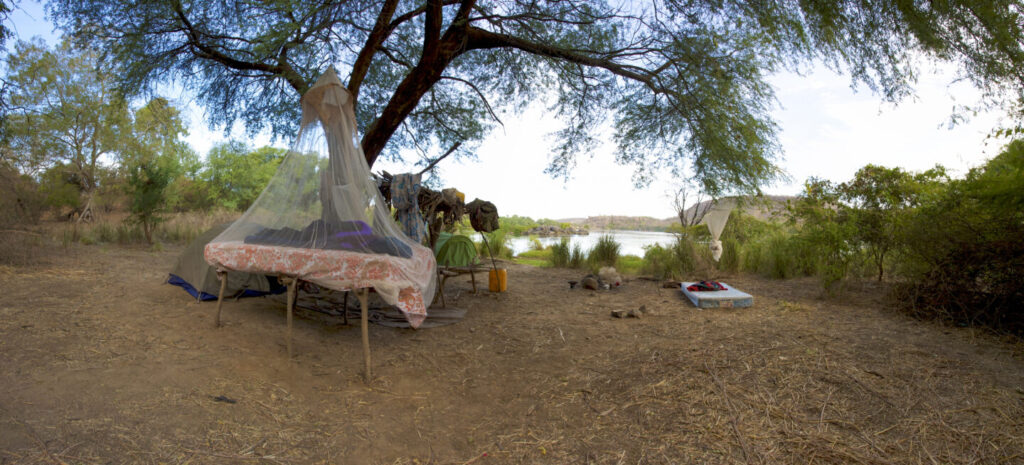
A comprehensive study published in Nature reveals how climate change is reshaping the distribution of malaria across Africa. The research, led by Yale University's Colin J. Carlson and colleagues from the Climate Impact Lab and other institutions, analyzed over 50,000 medical surveys from 1900 to 2016 to understand the impact of human-induced climate change on malaria's spread.
Malaria remains a major global health issue, with the World Health Organization reporting 282 million cases and 610,000 deaths globally in 2024, with 95% of cases and deaths occurring in Africa, particularly among children under five.
Temperature plays a crucial role in the spread of malaria. The disease thrives at around 25°C (77°F) but becomes less prevalent when temperatures drop below 16°C (61°F) or exceed 34°C (93°F). The study found that climate change has led to a small overall increase in malaria cases across the continent, with an estimated additional case for every 1,000 children aged 2 to 10 since 1901.
However, this global trend masks significant regional variations. Warmer temperatures have started to push the disease out of previously hot West African and Sahelian countries, while cooler, high-altitude regions like the Ethiopian highlands and southern Africa are becoming more conducive to malaria transmission.
The study provides detailed projections for each country, showing both historical impacts and future trends by 2050 and 2100. For instance, Ghana, previously a hotspot for malaria, has seen a reduction in cases of 4.94 per 1,000 children historically, and this reduction is projected to grow to 7.85 by 2050 and 15.12 by 2100. Conversely, countries like Niger are expected to experience significant declines in malaria cases, with a projected reduction of 23.62 cases per 1,000 children by 2100.
In contrast, Ghana is projected to see the largest increase, with 17.78 additional cases per 1,000 children by 2100.
These projections highlight the uneven impact of climate change on malaria across Africa. In countries like Ghana, where temperatures are warming, malaria prevalence is expected to decline, offering a potential benefit from rising heat. However, in countries such as Niger, the projected decrease in malaria cases is even more substantial, suggesting a near-elimination of the disease by the end of the century.
The findings underscore the importance of considering both historical changes and future projections when assessing the impact of climate change on malaria in different regions. While climate change may reduce malaria prevalence in some areas, it is still a modest factor compared to existing malaria control efforts, such as bed nets, treatment access, and vaccination programs.
A separate report by the Climate Impact Lab emphasizes that even with reduced malaria risks, the heat associated with climate change poses additional health threats, including increased mortality from heat-related illnesses.
Written by urgent.news from MyJoyOnline Ghana's reporting — not their text. Machine-written — may contain errors; check the original before relying on it.