Only three Hawaiian producers meet US organic honey rules
A new study found that organically managed bee colonies on farms in the northeastern US produced honey with pesticide residue levels comparable to certified organic honey. Researchers say current US organic certification rules may be stricter than necessary, but caution that more studies across different regions are needed before any nationwide policy changes.
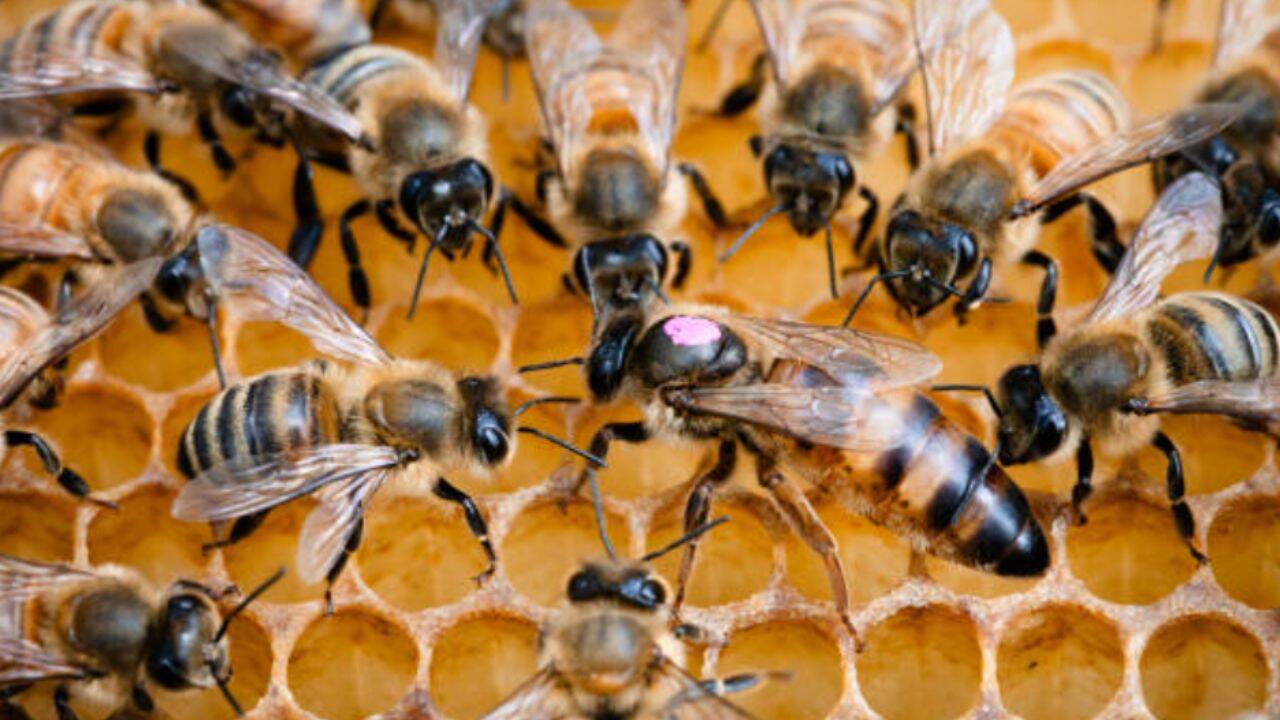
Only three Hawaiian beekeepers currently meet the United States' organic honey certification standards, according to a new study published in the journal Science of the Total Environment. Researchers from Cornell University found that honey from organically managed bee colonies in the northeastern US has pesticide contamination levels comparable to certified organic honey already available in the market.
This research could potentially lead to a review of the current certification rules, which many beekeepers find difficult to comply with, as it requires a large buffer zone of certified organic land for bees to forage. Instead, the study suggests that bees may only need a smaller area of suitable land to produce low-pesticide honey, which could open up new market opportunities for American beekeepers.
Written by urgent.news from Times of India's reporting — not their text. Machine-written — may contain errors; check the original before relying on it.