How likely is Beijing to walk the talk on boosting consumption?
Chinese officials tend to report only good news and bury bad news for propaganda purposes and career advancement. That is why it came as a genuine surprise when, on July 22, Zhang Enhui, the party chief of Changchun, an industrial powerhouse known for its automobile sector and technological research, publicly broke with that tradition. He warned of “unprecedented difficulties and challenges”…
Beijing's commitment to boosting domestic consumption remains a subject of debate, as recent reports from Changchun, a city known for its industrial prowess, suggest that officials may be hesitant to take decisive action. In July, party chief Zhang Enhui candidly acknowledged "unprecedented difficulties" facing the city's economy, an admission that was quickly removed from public view.
This fleeting moment of transparency occurred amidst a nationwide discussion on China's slowing GDP growth, which some argue signals a deeper, more persistent issue. The slowdown has reignited calls for the government to stimulate domestic consumption and revive the real estate sector, sectors that have traditionally lagged behind China's high-end manufacturing and exports.
However, implementing these measures has proven challenging. China's GDP growth slowed to 4.3% in the second quarter, down from 5% in the first, keeping the economy within the official 4.5-5% target range for the year. This modest growth, driven by falling private sector investment and a sharp drop in property investment, underscores the fragility of the economy.
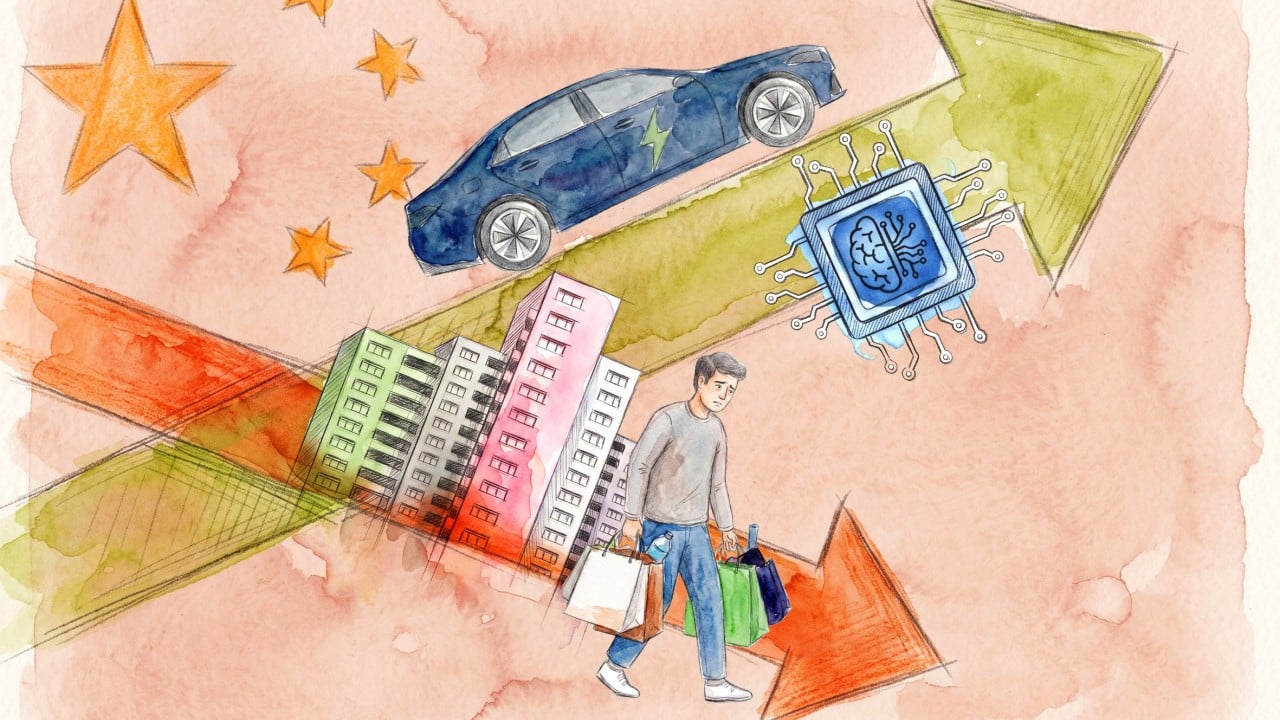
Changchun's struggles reflect a broader K-shaped economic divergence, where technology and exports are thriving, while consumption and traditional industries lag behind. Despite Beijing's recent pledge to accelerate fiscal spending and increase household consumption, concerns remain about the effectiveness and urgency of these measures.
History suggests that Beijing's efforts to boost consumption often fall short, with past policies yielding little tangible improvement. The upcoming leadership reshuffle, typical of the five-year cycle, is expected to dampen risk-taking and policy experimentation. With AI-led exports currently driving growth, policymakers may prioritize maintaining this momentum, potentially sidelining aggressive measures to stimulate domestic demand.
As China's top leaders gather for their traditional working holiday, the focus will likely remain on long-term economic framing rather than immediate policy shifts. The overall health of the economy, particularly the stability of high-end manufacturing and exports, will likely take precedence over efforts to revitalize domestic consumption.
Written by urgent.news from South China Morning Post's reporting — not their text. Machine-written — may contain errors; check the original before relying on it.
This story
This is one outlet's version. Read the fullest account.