Commentary: The global oil cushion isn’t really hitting ‘tank bottoms’
As with every financial narrative, the story of the impending oil crisis contains a grain of truth - and ample hogwash, says Javier Blas for Bloomberg Opinion.
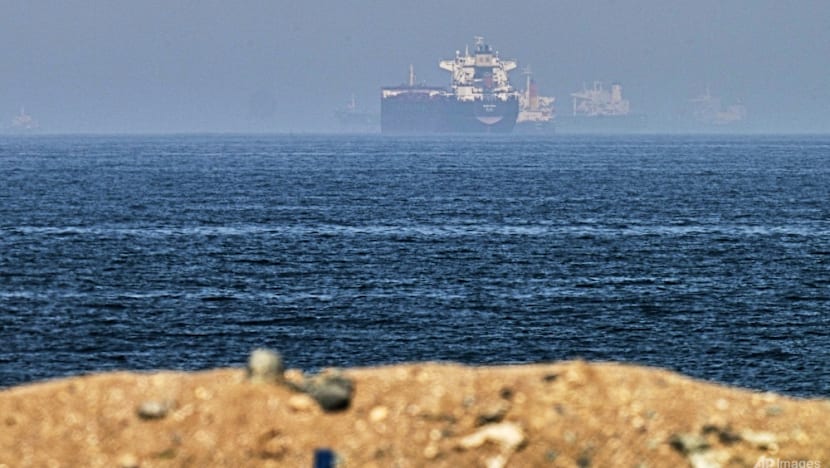
In the latest panic among energy industry experts, there's a grain of truth to the claim that the world is nearing "tank bottoms" – the minimum level of crude oil storage required to maintain the flow from oilfields to refineries. However, there's also a significant amount of exaggeration. Global crude inventories, including commercial stocks and strategic reserves, dropped at an average rate of nearly 3.9 million barrels per day from early March to late May. This depletion is comparable to the daily demand of two major economies, Germany and France.
The situation improved in June as the Strait of Hormuz briefly reopened after the US and Iran signed a memorandum of understanding. But tensions escalated again in July after the deal fell apart, causing Iran to close the waterway once more. In total, the world has drained between 400 million and 600 million barrels from its oil inventories, including those stored on tankers, according to calculations.
While the depletion is substantial, it's important to note that China, the world's largest oil importer, holds a large reserve of 1,400 million barrels. This cushion could help keep China's imports below pre-war levels, despite a 40 percent drop in imports in June compared to the previous year. The tank bottoms narrative may be overstating the depletion of strategic reserves held by wealthy nations, as the International Energy Agency members have only released about 290 million barrels so far, far less than their announced 400 million.
In conclusion, while the situation is concerning, the world still has a considerable amount of oil in reserve that can help maintain the flow. The solution to this crisis lies in reopening the Strait of Hormuz, which would require a shift away from the current pessimistic outlook.
Written by urgent.news from Channel News Asia's reporting — not their text. Machine-written — may contain errors; check the original before relying on it.