African politics and the widening distance between power and consequence
The African Union’s decision not to intervene in Burundi’s 2016 crisis reveals a deeper pattern in continental politics: authority is often furthest from consequence, while responsibility falls on those with the least power. From Burundi to contemporary debates on migration and xenophobia, leadership emerges less as a question of rhetoric than of who is expected to carry the costs of political…
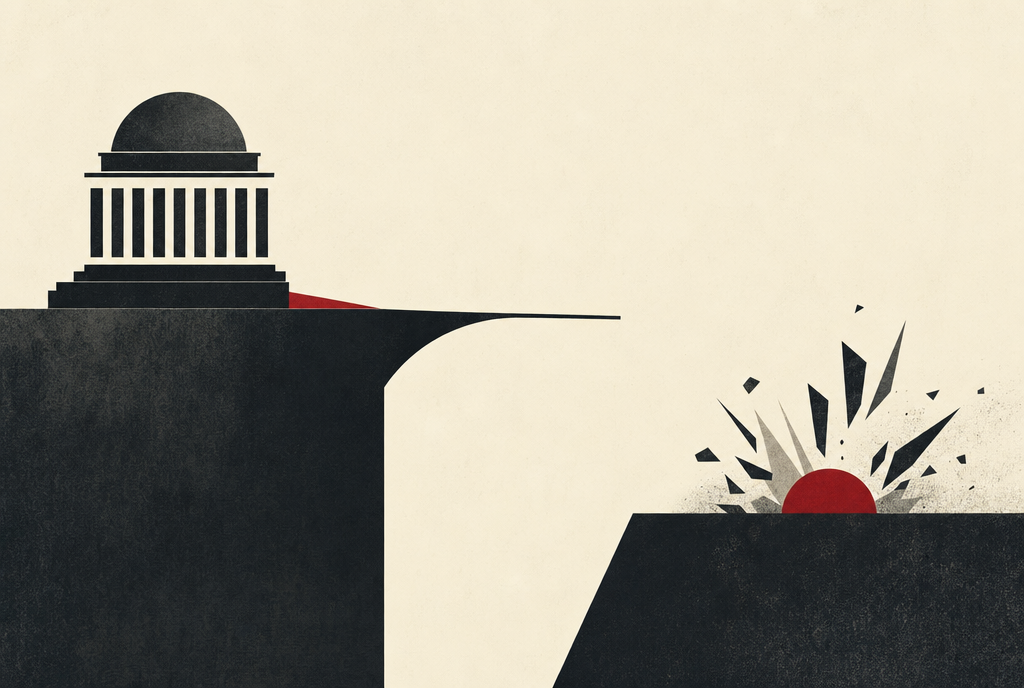
In January 2016, a controversial incident occurred at the African Union headquarters in Addis Ababa during a summit attended by then-African Union Chairperson Robert Mugabe. The African Union had chosen not to intervene in Burundi's 2016 crisis, which led to growing unrest and human rights concerns. Marie-Louise, an unnamed author, and other journalists were present at the summit and observed the situation unfold.
The Burundian civil war, which lasted from 1993 to 2005 and resulted in the deaths of at least 300,000 people, had re-emerged in January 2016, with ethnic tensions resurfacing. The African Union's Peace and Security Council had authorized a protection mission in Burundi, but the Assembly of Heads of State and Government declined to deploy it.
Marie-Louise and her fellow journalists witnessed Burundian women describe the crisis in their country, noting the exhaustion and urgency in their voices. These women emphasized that they were not seeking external intervention but rather accountability and a reassessment of the concept of sovereignty in Africa.
Despite the African Union's legal authority to intervene in member states during "grave circumstances," the summit decided against deploying a protection mission. The authors of the article argue that the decision-makers understood the consequences of their choice and were aware of the moral implications of their inaction.
Marie-Louise, an experienced civil society activist, saw the summit as an example of the "inside game" in African politics. While she acknowledged the value of gaining access and building relationships, she also highlighted the limitations of this approach. The authors concluded that the African Union's decision not to intervene in Burundi's crisis demonstrated the widening distance between authority and consequence in African politics, and the responsibility for political failure often falls on those with the least power.
Written by urgent.news from Daily Maverick's reporting — not their text. Machine-written — may contain errors; check the original before relying on it.