25 states sue over Trump’s new tariffs, calling them ‘pretext’ to replace his old ones
WASHINGTON (AP) — Twenty-five states sued the Trump administration Monday over its latest tariffs, calling them a pretext for replacing import taxes the Supreme Court struck down in February. The United…
On Monday, a coalition of 25 Democratic-led US states initiated legal proceedings against President Donald Trump's administration, challenging the latest series of tariffs imposed by the White House. These tariffs, targeting goods from 60 countries, mirror the president's previous tariff rounds and are viewed by the states as exceeding his constitutional authority to levy import taxes.
This lawsuit, filed in the US Court of International Trade in New York, follows earlier challenges by small US businesses that sought to block the tariffs on the day they were implemented last month. Both the states and small businesses have previously won victories against Trump's global tariffs, yet the president persists in introducing new tariffs despite a series of legal setbacks.
On July 24, the Trump administration levied 10% and 12.5% tariffs on 60 trading partners, including the European Union, citing alleged failure to prevent the export of goods produced using forced labor. This action came just as a previous 10% global tariff expired. The states involved in the lawsuit, such as Oregon and New York, are all led by Democratic attorneys general or governors.
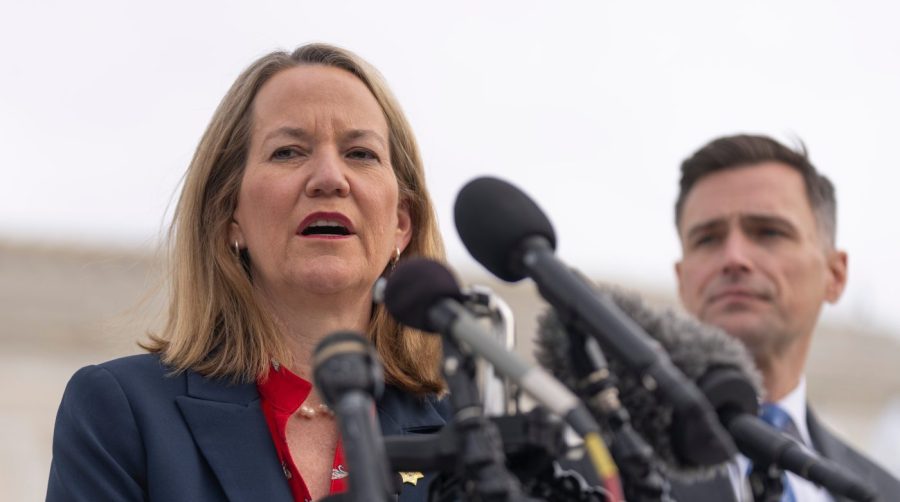
Oregon's Attorney General Dan Rayfield criticized the tariffs, stating, "Despite losing every step of the way, Trump is trying yet again to inflict more chaos on working families and home-grown Oregon businesses."
The White House spokesperson, Kush Desai, defended the tariffs, asserting they are a legitimate and legal response to unfair trade practices in various nations. Desai argued that a country's refusal to effectively enforce a prohibition on the importation of goods produced with forced labor is unreasonable and burdens US commerce, including American workers, hence must be addressed.
Trump has long used tariffs as a cornerstone of his foreign policy, even after a significant loss in the US Supreme Court. In a February 20 ruling, the Supreme Court invalidated most of Trump's broadest-reaching tariffs, concluding that the International Emergency Economic Powers Act (IEEPA) does not allow the president to unilaterally impose tariffs on trading partners.
Trump retaliated by increasing his trade war, labeling Supreme Court justices as "disloyal" and issuing new temporary 10% tariffs under a different legal authority, which, like IEEPA, had not been previously utilized by any president to impose tariffs. These tariffs were subsequently deemed illegal by the US Court of International Trade but continued to remain in effect pending the ongoing appeal.
The latest round of global tariffs, enacted under Section 301 of the Trade Act of 1974, targets over 99% of US imports. Unlike the IEEPA or temporary global tariff authority, Section 301 has historically been utilized by past presidents to address specific nations and industries. However, the states and small businesses in their lawsuits contend that this approach has no historical precedent and that the broad-based tax on imports does nothing to alleviate the genuine issue of forced labor worldwide.
Written by urgent.news from South China Morning Post's reporting — not their text. Machine-written — may contain errors; check the original before relying on it.
Also reported by 8 other outlets
- Democratic US states sue to challenge Trump’s latest round of tariffs scmp.com
- Democratic-led states join legal fight over Trump’s new tariffs thehill.com
- 25 US states sue Trump administration over sweeping new tariffs france24.com
- US: 25 states sue over Trump's new tariffs dw.com
- 25 states sue Trump administration over latest round of tariffs cbsnews.com
- 25 US states sue to block Trump tariffs rte.ie
- Trump administration sued by 25 states over new tariffs on trading partners aljazeera.com
- US states sue to block Trump tariffs impacting dozens of countries bbc.co.uk