When Mexico colonized California
The Spanish colonization of California, thought to be an island until the beginning of the 18th century, was an epic undertaking influenced by the world's first true global trade route, writes Bob Pateman. The post When Mexico colonized California appeared first on Mexico News Daily
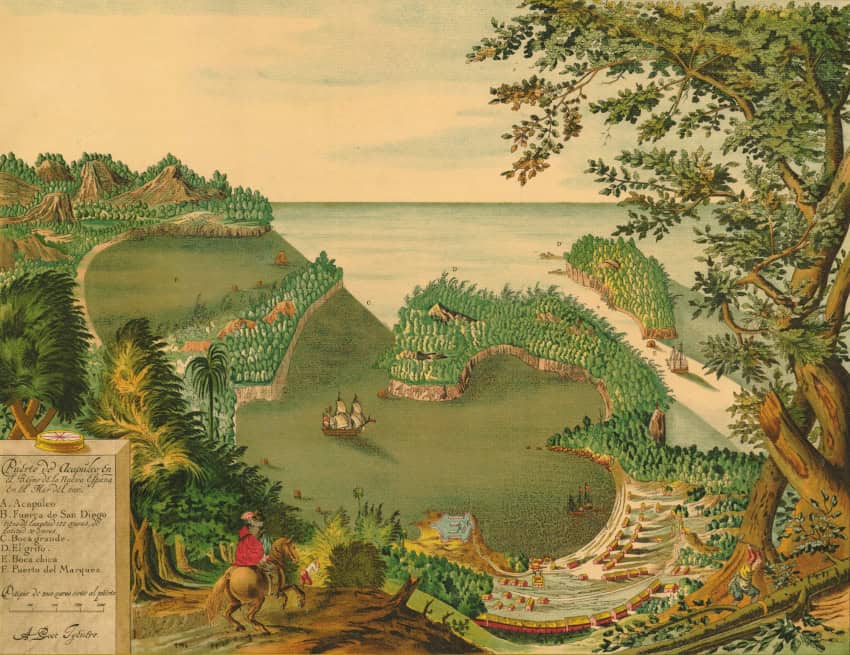
Mexico, once known as "New Spain," covered a massive area, including six modern U.S. states such as California. The country's geography played a significant role in its colonization, with the Spanish focusing on areas that offered promise, like Central America and the Caribbean. The Spanish established shipyards in the Gulf of San Miguel in Panama due to the need to transport enslaved peoples and goods between the Americas.
Shipbuilding was crucial for the colonization of California, as it allowed ships to circumvent Cape Horn and sail down the Pacific coast. The Manila galleon trade, which linked Mexico to the Philippines, was a driving force behind the need for shipbuilding on the Pacific coast. The exploration of California began as early as 1533, with Hernán Cortés sending a small party to investigate.
Baja California was the first area explored, although the settlers abandoned the colony due to harsh conditions. Francisco de Ulloa later discovered that Baja was not an island but a peninsula, which discouraged further exploration. Despite the challenges, the Manila-Acapulco galleon trade brought wealth and attention to the California coast, leading to the establishment of small missions and further exploration.
Written by urgent.news from Mexico News Daily's reporting — not their text. Machine-written — may contain errors; check the original before relying on it.