Low Danube shuts Hungary’s only nuclear plant for first time in 44 years
Hungary's sole nuclear facility has been offline due to unprecedentedly low levels of the Danube River. This shutdown exacerbates power shortages amid a fierce summer heatwave, prompting the government to urge both households and businesses to conserve energy. Consequently, Hungary must depend on costly electricity imports from neighboring countries, highlighting the fragility of energy systems…
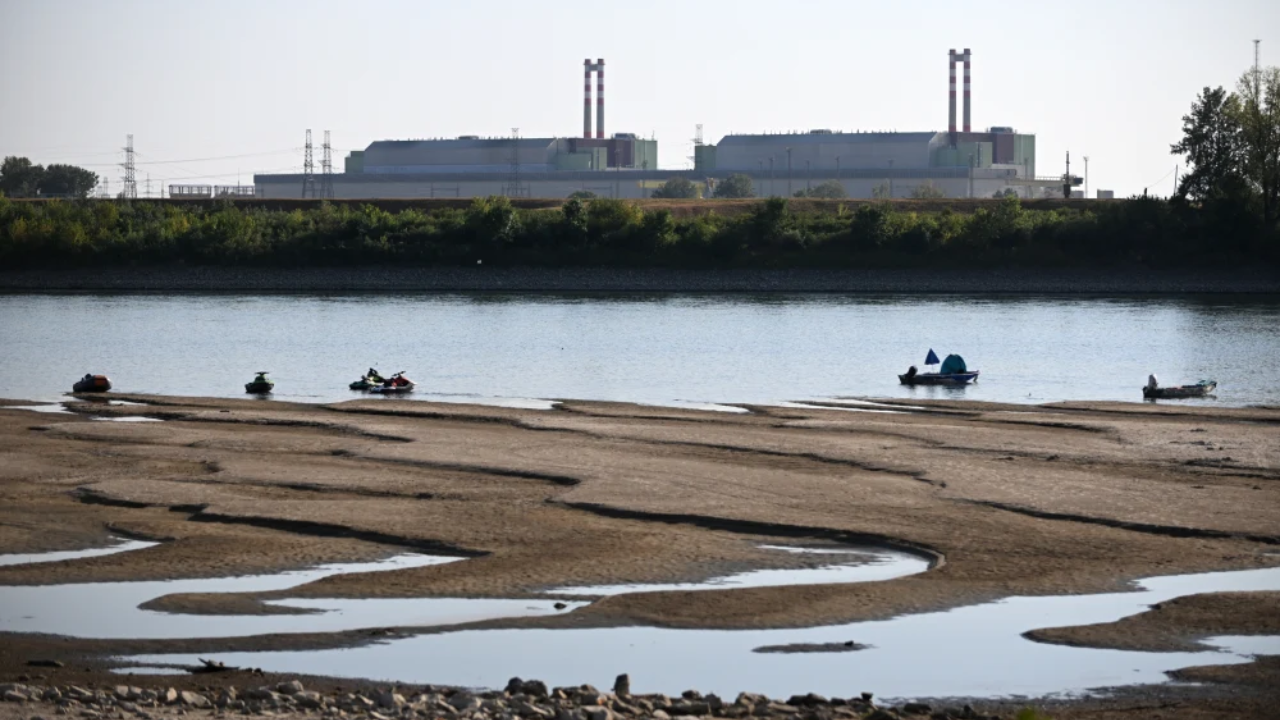
Hungary has halted its sole nuclear facility due to record-low water levels in the Danube River, which have rendered its intake pumps ineffective for cooling the plant's four reactors. The Paks Nuclear Power Plant, located 50 miles south of Budapest, generates nearly half of the country's electricity. Its closure has left Hungary facing a significant power shortage during an intense summer heatwave, with temperatures predicted to peak at 40°C.
Prime Minister Peter Magyar stated that the 2-gigawatt Soviet-built plant had already reduced output to around 10% before shutting down entirely. Water levels in the Danube at Paks are projected to plummet to negative 144 centimeters, breaking the previous record of negative 98 centimeters set in 2018. Prime Minister Magyar warned that the country is bracing for the most critical five days ahead, with the Paks power plant expected to remain offline for several weeks due to the lack of significant rainfall in the Danube basin.
The government has urged citizens to conserve electricity, and energy company MOL has agreed to reduce its daily electricity consumption by 65 megawatt-hours, equivalent to a 40% decrease from normal demand. Hungary will now have to rely on expensive electricity imports from neighboring countries, with potential costs ranging from 100 billion to 200 billion forints ($315 million to $630 million).
This marks the first time in over 40 years that Hungary's nuclear power plant has completely shut down. The incident highlights how extreme weather can suddenly strain national energy systems and underscores the government's challenge in maintaining supply while managing higher costs from emergency electricity purchases.
Written by urgent.news from Times of India's reporting — not their text. Machine-written — may contain errors; check the original before relying on it.