AMD's upcoming Zen 6 processors could fix microstutters and improve 1% lows in games — Next-gen CPUs tipped to feature per-core optimizations for thermal and power budgets
A new report suggests AMD is cooking up a range of per-core optimizations for Zen 6 that might not seem huge on their own, but they could add up to make a world of difference in gaming performance.
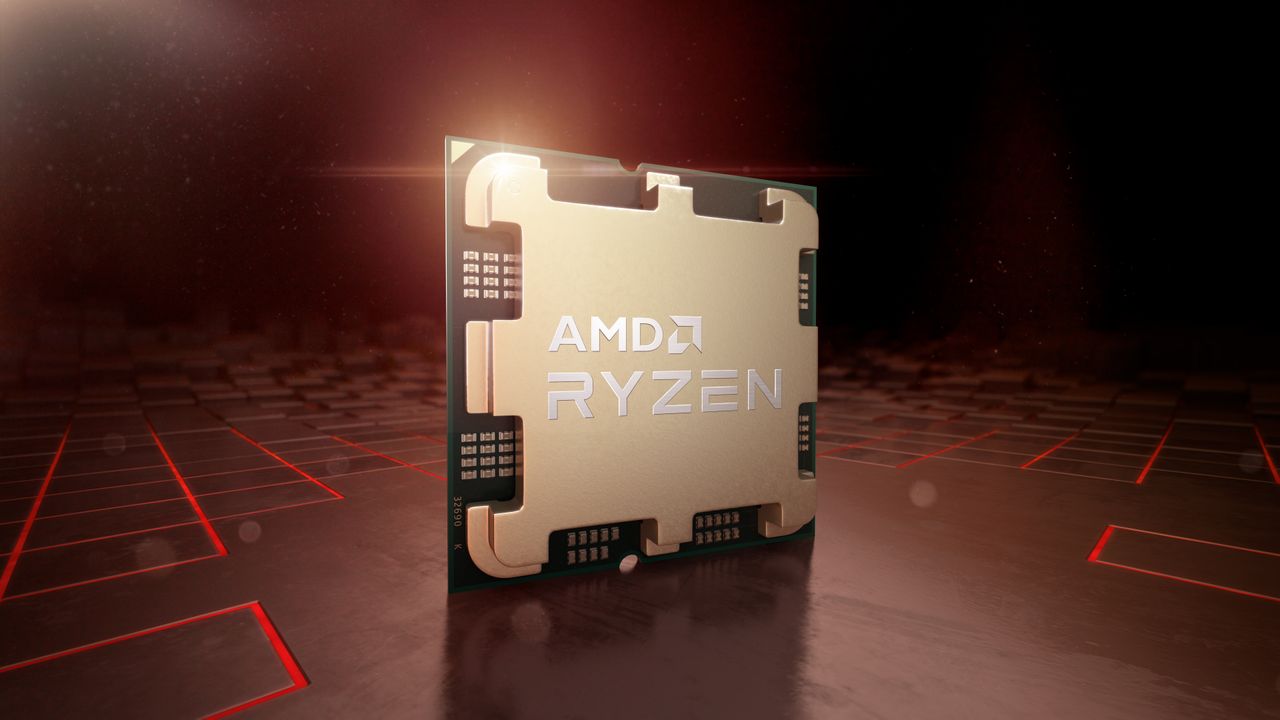
AMD is believed to be preparing its next-generation Zen 6 platform, set to debut at CES 2026 alongside Ryzen 10000 series processors. While the focus will be on IPC and clock speed enhancements, there are several under-the-hood improvements that could significantly enhance the gaming experience. According to a report from Videocardz, AMD plans to implement per-core optimizations to prioritize foreground tasks over background applications.
These optimizations aim to better manage the power and thermal budgets of the silicon. First, the CPPC Performance Priority feature will ensure communication between the silicon and the operating system, allowing for more precise control of each core's performance. Although this feature has been available since the Ryzen 3000 series, Zen 6 CPUs are expected to improve its effectiveness.
Second, the FloorPerf system will serve as a dynamic, targeted power delivery system, setting a minimum clock speed for all cores during thermal throttling. By focusing on background tasks first, FloorPerf aims to maintain game performance without causing microstutters. Third, the HighestFreq feature will enable the operating system to access more granular chip data for better core management decisions, allowing it to assign game rendering threads to the fastest cores while pushing background apps to more power-efficient ones.
Additionally, Zen 6 is rumored to introduce per-core Energy Performance Preference (EPP) boost, which will identify active cores and keep them in high-performance mode to avoid wait times when handling frame rendering. Lastly, Zen 6 is expected to incorporate PQOS Global Bandwidth Enforcement and an updated IBS Memory Profiler, both of which focus on memory bandwidth allocation to ensure maximum stability and consistency in games.
Although all these optimizations are intended to work together for maximum efficiency, their implementation may vary across product segments. The upcoming fight between AMD's Zen 6 and NVIDIA's Nova Lake processors is anticipated to be a fierce competition.
Written by urgent.news from Tom's Hardware's reporting — not their text. Machine-written — may contain errors; check the original before relying on it.