How the Reflecting Pool Vandalism Case Fell Apart
Federal prosecutors searched for evidence and found that “a botched installation” was to blame.
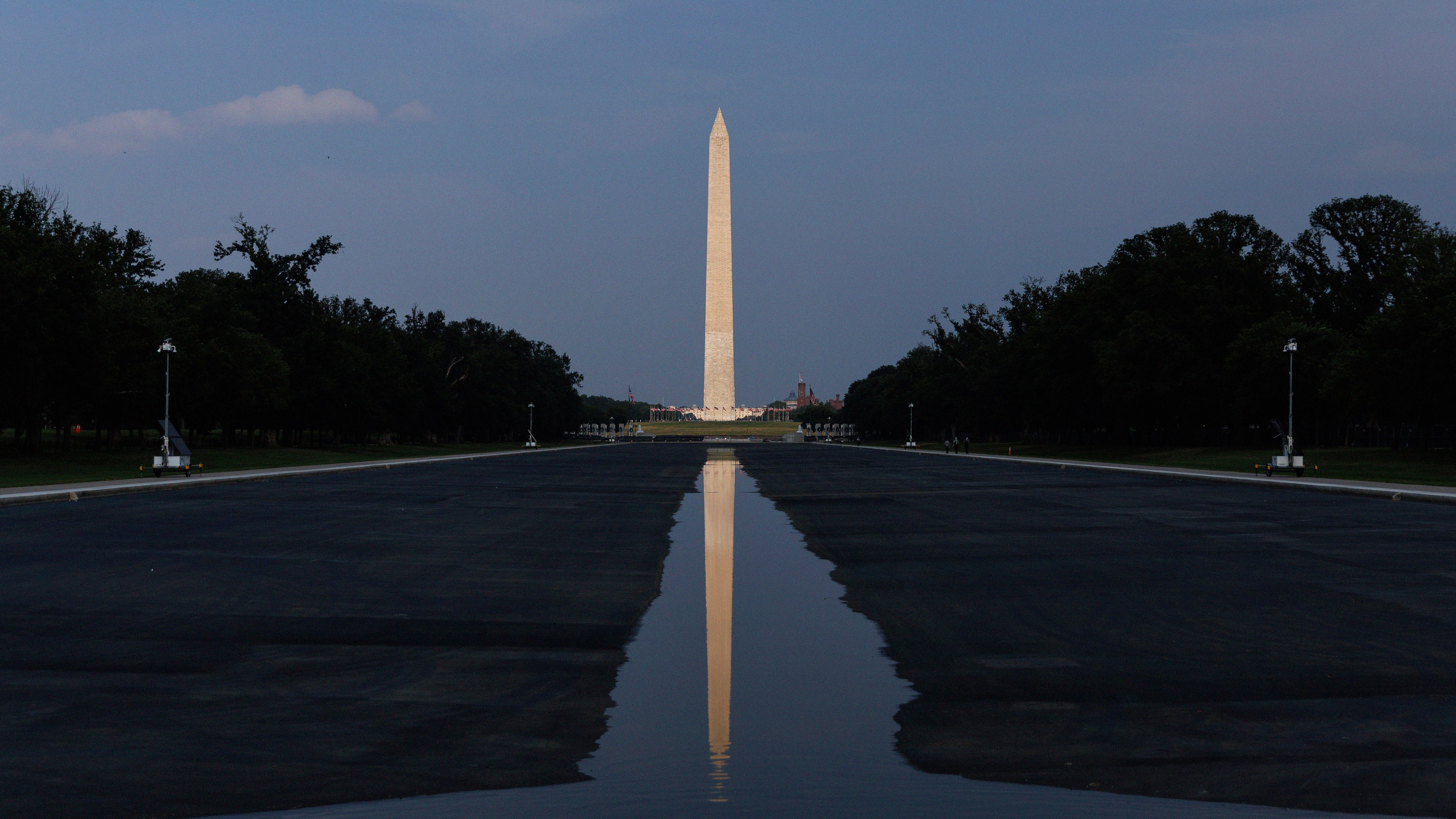
A three-time Olympic canoeist, David Hearn, found himself at the center of a controversial case after a Reflecting Pool renovation project at the White House was accused of causing damage. Initially, prosecutors argued that Hearn had maliciously removed the pool’s lining, but evidence soon surfaced that suggested otherwise. U.S. Attorney Jeanine Pirro's office filed a motion to dismiss the case, deeming the damage the result of a "botched installation" rather than vandalism.
The legal document highlighted issues with the installation process, including repeated failures of the lining and extensive peeling throughout the Reflecting Pool. Park officials became aware of the problems just days before Hearn's arrest, and the prolonged delays caused by weather disruptions further complicated matters. The Department of the Interior was criticized for providing incomplete information, which led to the indictment.
Hearn's legal team, comprising Norm Eisen, Mary Dohrmann, and Steve Levin, expressed disappointment in the dismissal, emphasizing that the arrest was an abuse of government power. The White House and Hearn's supporters have voiced their disapproval, with Hearn himself expressing concern about the case's impact on his personal life.
The future of the project, which cost $16.4 million, remains uncertain, as the exact cause of the failure and the potential for future issues are yet to be determined.
Written by urgent.news from The Atlantic's reporting — not their text. Machine-written — may contain errors; check the original before relying on it.