Why full-fledged quantum computers might always be five years away
To predict when we’ll have a truly useful quantum computer, we need to know precisely what one is. Columnist Karmela Padavic-Callaghan finds that’s harder to pin down than you might think
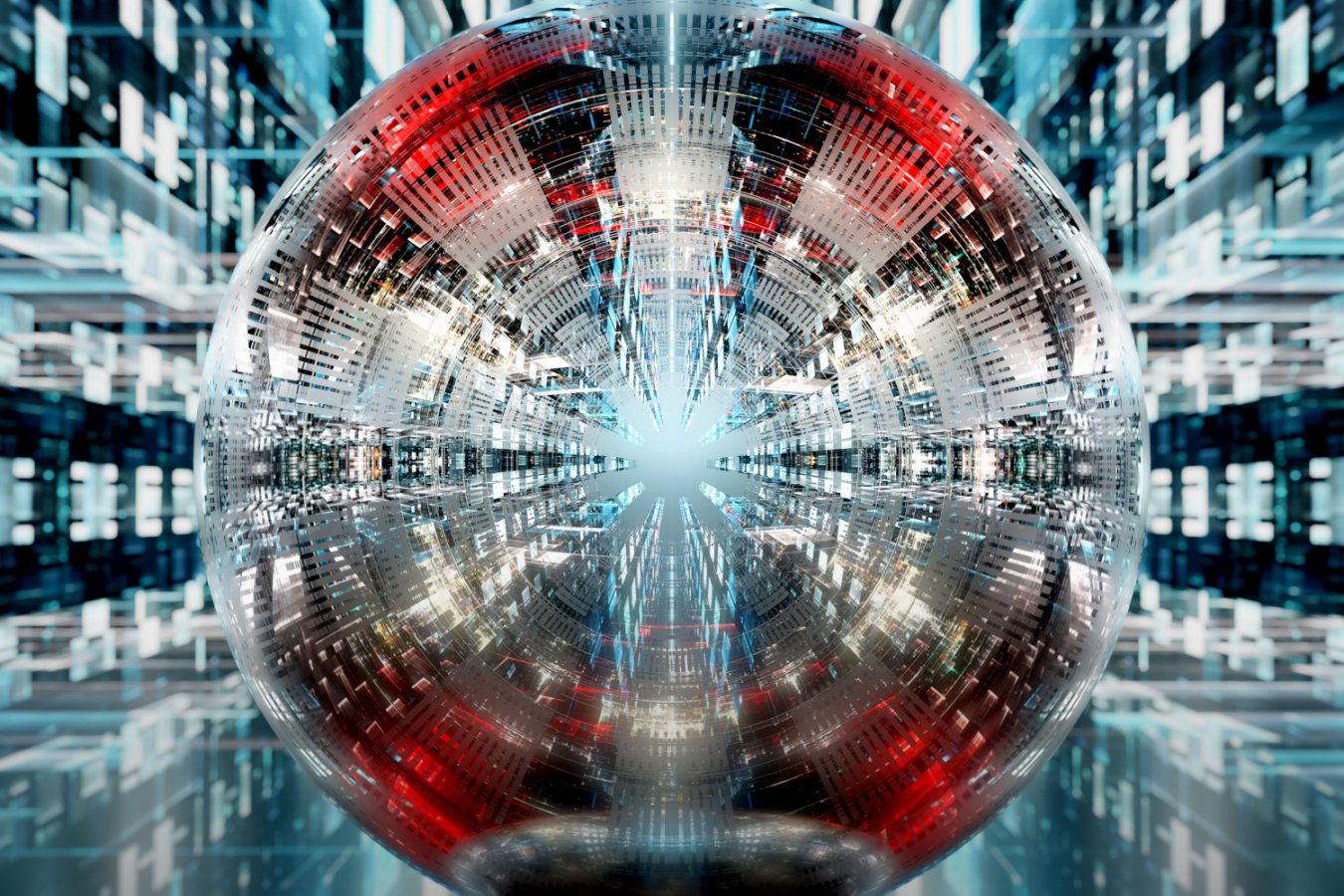
The question of when components and functions become a quantum computer is a complex one, as it depends on the evolving nature of quantum computers themselves. A recent philosophical study suggests that this is at the root of the challenge in predicting the future of quantum computing. Christophe Jurczak, an investment firm analyst, found himself pondering this after attending a conference unrelated to quantum computing, where he recalled first hearing about the technology 30 years ago.
Jurczak argues that quantum computers are currently in the "perpetual five-year technology" (PFYT) category, as attempts to forecast their arrival are misguided. This is due to the ongoing development and refinement of various components, such as qubits, and the lack of a clear definition of what constitutes a quantum computer. Jurczak's analysis reveals that progress in quantum computing is often measured by individual metrics, but perfecting one does not guarantee improvements in others.
This contrasts with the development of classical computers, which progressed more rapidly due to a more mature ecosystem. Jurczak's findings suggest that success in quantum computing may depend on the convergence of various factors, including infrastructure, knowledge, practices, and research, in a process akin to technical individuation.
Written by urgent.news from New Scientist's reporting — not their text. Machine-written — may contain errors; check the original before relying on it.