Black holes may spit out nearly as much matter as they swallow
A black hole observed during a dramatic 2023 eruption did not simply devour gas from its nearby companion star. It also expelled large amounts of material through powerful jets and winds, even after the outburst had nearly faded. The results suggest black holes may continue reshaping their surroundings long after their brightest fireworks end.
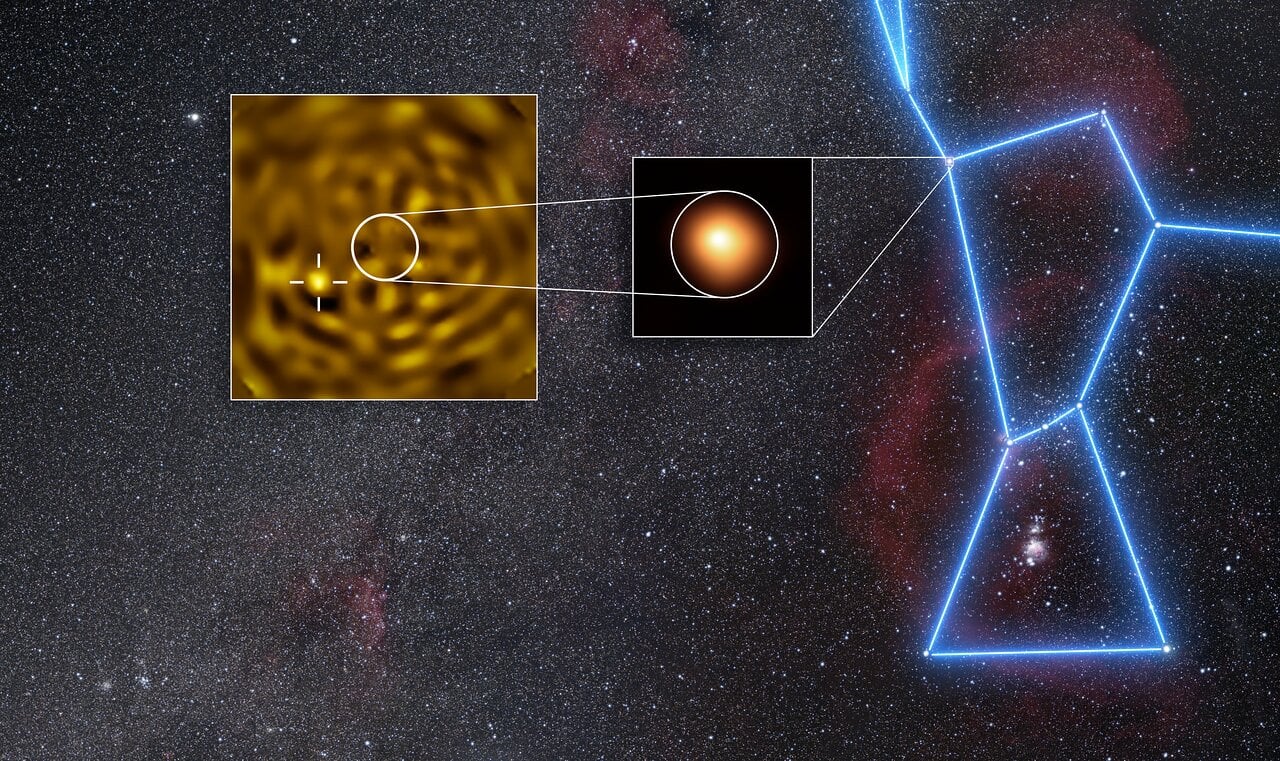
Astronomers from the University of Warwick have discovered that black holes may expel nearly as much matter as they consume, challenging the common perception of these cosmic entities as bottomless pits. Using the European Southern Observatory's Very Large Telescope (VLT), the team observed a black hole system called Swift J1727.8-1613 during a dramatic outburst in 2023.
Contrary to the typical image of black holes swallowing everything nearby, the researchers found that the black hole actively ejected large amounts of matter, not just inward, but also outward through powerful jets and winds. Dr. Noel Castro Segura, a postdoctoral fellow leading the study, explained that the black hole behaves more like a "powerful cosmic digestive system" that processes matter and expels a significant portion back into space.
The study revealed that even when the black hole became extremely faint, these large outflows continued, suggesting that black holes may continue producing strong outflows long after their brightest phases have ended. This unexpected behavior could mean that black holes are less efficient at consuming matter than previously thought, potentially altering our understanding of how binary stars and galaxies evolve.
Written by urgent.news from ScienceDaily's reporting — not their text. Machine-written — may contain errors; check the original before relying on it.