Stadia was some of the most fun I’ve had gaming, but it was right to disappear
I know, this is a throwback, right? Talking about arguably one of Google’s best dead products. I still find it hard to believe that Stadia has been dead for over three years, going on four, but it was arguably some of the most fun I’ve had gaming. The problem is that it was probably right to disappear, given the current state of the market.
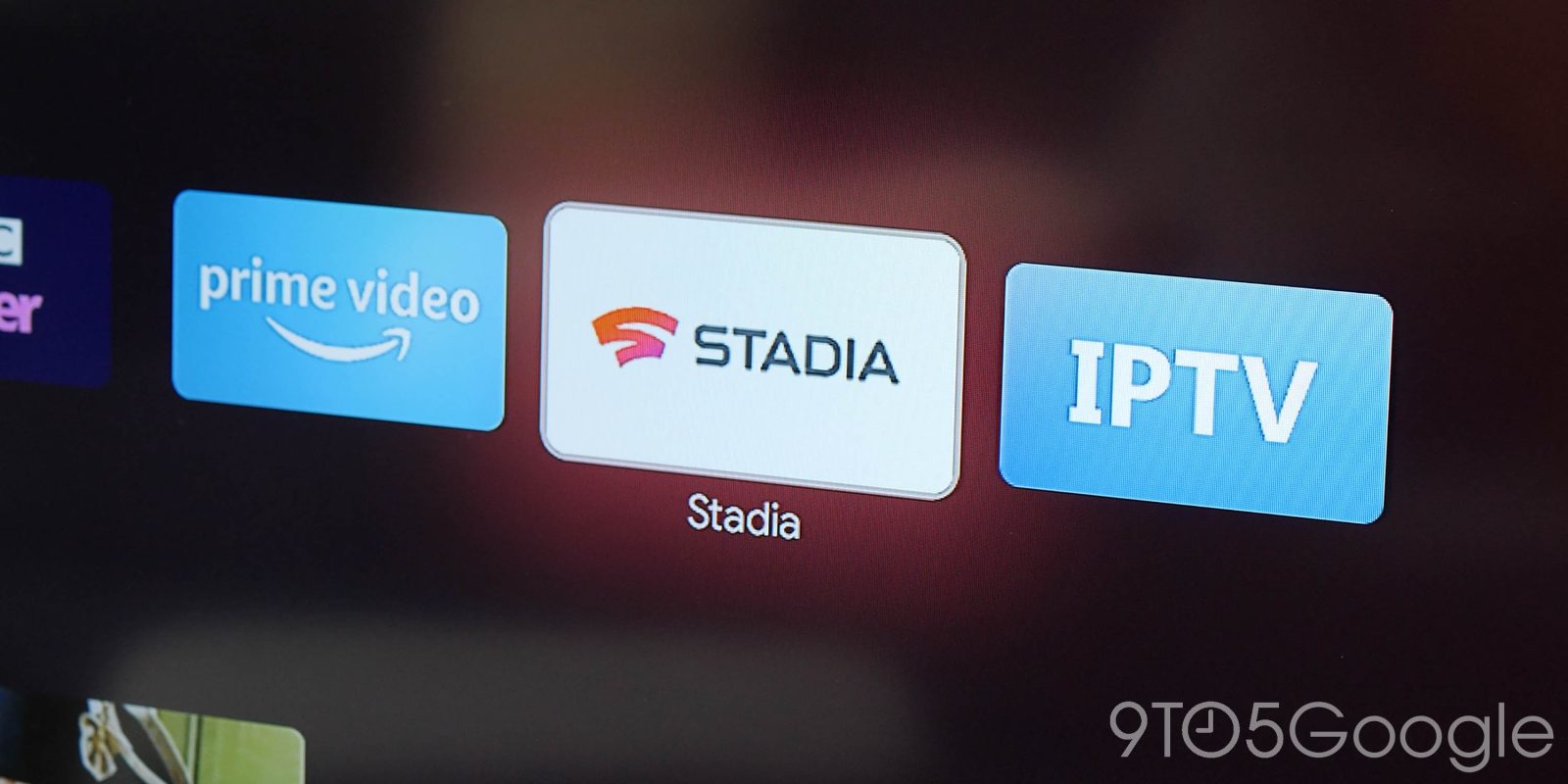
Stadia was a unique and enjoyable gaming experience, but it was ultimately the right decision for it to disappear, considering the current state of the gaming market. Launched in 2019, Stadia allowed users to play high-end games on almost any device with little hardware required, connecting via internet connection. This seemed like magic back then, but infrastructure limitations and internet connections proved to be crucial factors for success.
The idea of playing games on devices like mobile phones or in locations like hotel rooms made Stadia appealing. The lag experienced, especially on mobile networks, was a significant issue, though it was less prominent on a Gigabit connection. Despite experiencing lag 10-15 times on 5G, playing on a Gigabit connection was more reliable.
Initially, Stadia had a positive start, with fun gameplay and the ability to switch between devices seamlessly. However, the platform faced several challenges, including a limited game library, unoptimized real-world performance, and issues with network restrictions. The presentation at GDC 2019 was also criticized as messy, with Google overpromising capabilities and failing to provide a clear price point and release date.
For the author, the early phases of Stadia felt like a beta, but they still found enjoyment in the games, particularly Red Dead Redemption 2 and Destiny. However, the lack of exclusive games and the "rent not own" model made it harder for Stadia to attract a broader audience. Despite Google's efforts to support developers, the platform ultimately failed to gain traction due to a lack of audience and the shifting gaming landscape.
In hindsight, the author believes that AI could have potentially killed Stadia anyway. Additionally, the changing gaming landscape, with game ownership models shifting, may have made cloud gaming services less viable in the long term. Despite its shortcomings, Google honored users' refunds if the service were shut down, offering a unique experience despite the platform's failure.
Written by urgent.news from 9to5Google's reporting — not their text. Machine-written — may contain errors; check the original before relying on it.