How Europe can make its landscapes more fire-resilient
Paradoxically, suppressing wildfires has also made European countries more vulnerable to huge blazes like those seen in France and Spain this week. With global warming also amplifying the danger, some experts are calling for a change of strategy
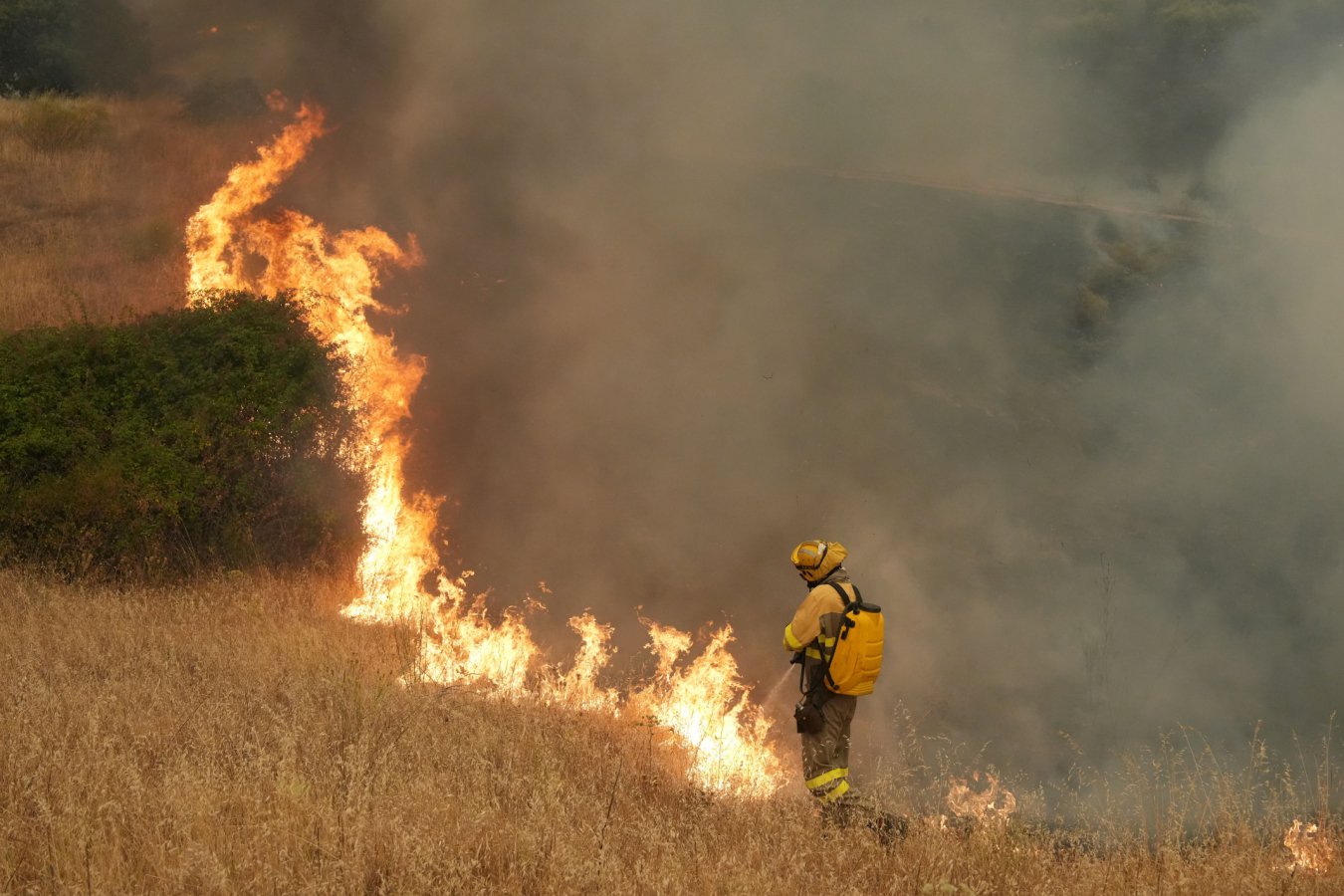
As Europe grapples with unprecedented wildfires, the focus of debate has shifted from firefighting efforts to fire prevention measures. Experts argue that investing in prescribed burns and allowing some wildfires to burn naturally is crucial for long-term fire resilience. This includes the UK, where wildfires have threatened critical infrastructure such as the Sizewell nuclear power station and extensive moorland and forest in Scotland.
Extreme heat is exacerbating the situation, making cities uninhabitable. While increasing the number of water bombers may seem like a solution, it is incredibly costly and does not address the underlying issue of fire prevention, says Sebastien Lahaye, a wildfire consultant from France. The combination of drought, heat, and fuel accumulation has created the perfect storm for catastrophic wildfires, with over 4,300 square kilometers burned across the European Union this year.
Record-sized wildfires have led to one of the largest evacuations since World War II, with record-sized fires near Bordeaux and Madrid. In southern Europe, the average number of wildfires and the area burned has actually decreased since 1981. However, Mediterranean countries have seen an uptick in wildfires due to the suppression paradox, where intensive firefighting has allowed shrubs and brush to proliferate, leading to more severe megafires.
The climate change food crisis has only added to the challenges. Rather than relying on more suppression, Europe must embrace the often uncomfortable task of making landscapes fire-resilient. Currently, approximately 90% of the fire budget in many countries goes towards fighting fires, while only 10% is spent on prevention. According to Johann Goldammer from the Max Planck Institute for Chemistry, this ratio should be reversed, with 90% allocated to prevention and proactive measures.
Implementing measures such as sustainable logging, thinning trees, clearing brush, and re-establishing agricultural areas can create a mosaic of fire fuel loads, reducing the risk of uncontrolled fires. Prescribed burns, though often met with resistance due to conflicts with biodiversity regulations, have been shown to reduce wildfire severity and harmful particulate pollution. Increasing fire breaks, intensifying forest management, and diversifying tree species can all contribute to fire-resilient landscapes.
Written by urgent.news from New Scientist's reporting — not their text. Machine-written — may contain errors; check the original before relying on it.