Platelet-rich plasma, shockwave therapy show therapeutic efficacy in interstitial cystitis
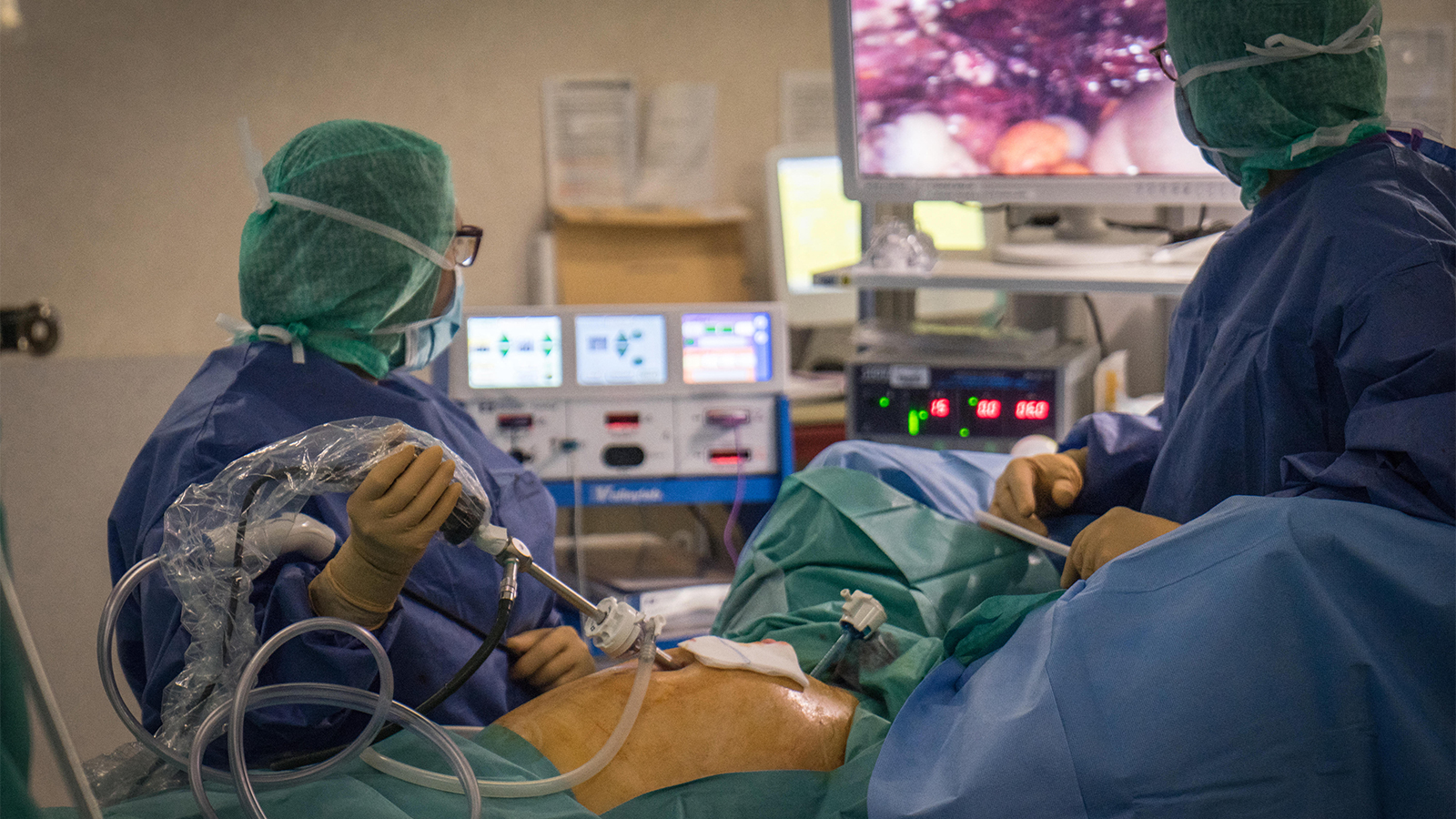
For patients with interstitial cystitis (IC)/bladder pain syndrome (BPS), the combination of platelet-rich plasma (PRP) and low-intensity extracorporeal shock wave therapy (LI-ESWT) shows therapeutic efficacy, according to a study recently published in Frontiers in Bioengineering and Biotechnology.

A recent study published in Frontiers in Bioengineering and Biotechnology has revealed that a combination of platelet-rich plasma (PRP) injections and low-intensity extracorporeal shock wave therapy (LI-ESWT) may provide therapeutic benefits for patients with interstitial cystitis (IC) and bladder pain syndrome (BPS). Researchers from Kaohsiung Medical University in Taiwan, led by Cheng-Yu Long, conducted an eight-week trial involving 25 female patients diagnosed with IC/BPS.
The treatment regimen included weekly LI-ESWT sessions, followed by high-dose PRP injections at weeks 1, 5, and 9. Baseline and follow-up assessments, including questionnaires and voiding diaries, were conducted at one month and six months after treatment.
The results demonstrated an 80% efficacy rate in the participants. At the one-month follow-up, significant improvements were observed in various symptom scales, including the visual analog scale, Overactive Bladder Symptom Score, Urinary Distress Inventory-6, Incontinence Impact Questionnaire, and Pelvic Organ Prolapse Quantification System.
By the six-month follow-up, only the International Consultation on Incontinence Questionnaire showed significant improvement. Furthermore, the maximum cystometric capacity, a measure of bladder capacity during urodynamic studies, displayed significant differences at the six-month follow-up.
Voiding diaries indicated that patients experienced significant improvements in the number of urinations, voided volume, and maximum volume at both one and six months. Additionally, improvements in the Interstitial Cystitis Symptom Index, Interstitial Cystitis Problem Index, and O Leary-Sant Symptom Score were evident at both follow-ups.
Overall, the combination of PRP and LI-ESWT proved to be a promising short-term treatment option for patients with IC/BPS, offering improvements in various symptoms and urodynamic parameters.
Written by urgent.news from Medical Xpress's reporting — not their text. Machine-written — may contain errors; check the original before relying on it.