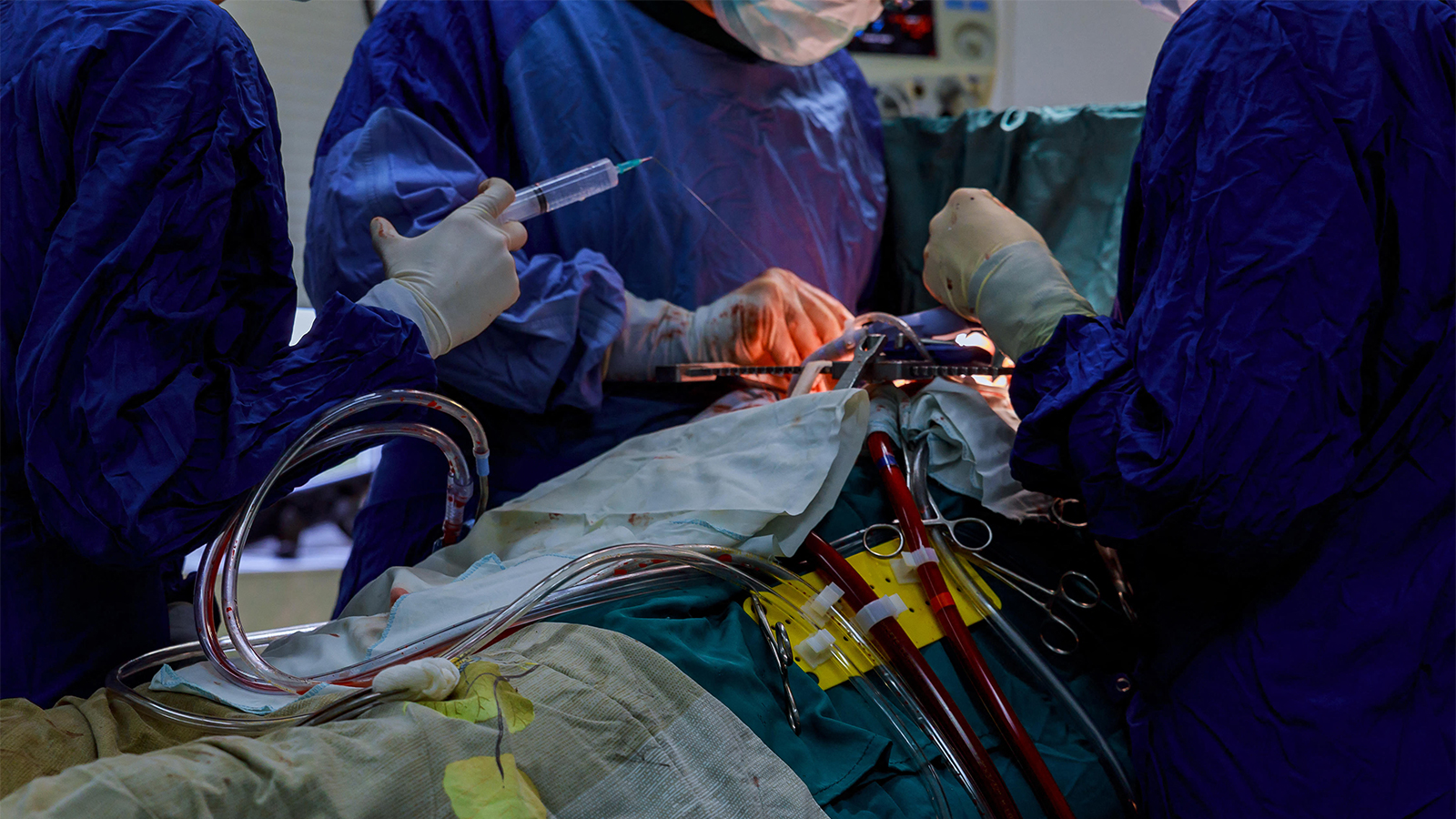
Opioids for Routine Hysterectomies Really Necessary?
(MedPage Today) -- Managing pain with non-opioid options was just as effective as routine pain management with opioids after minimally invasive hysterectomy, a randomized trial showed. Mean pain scores measured using the 11-point Numeric Rating...
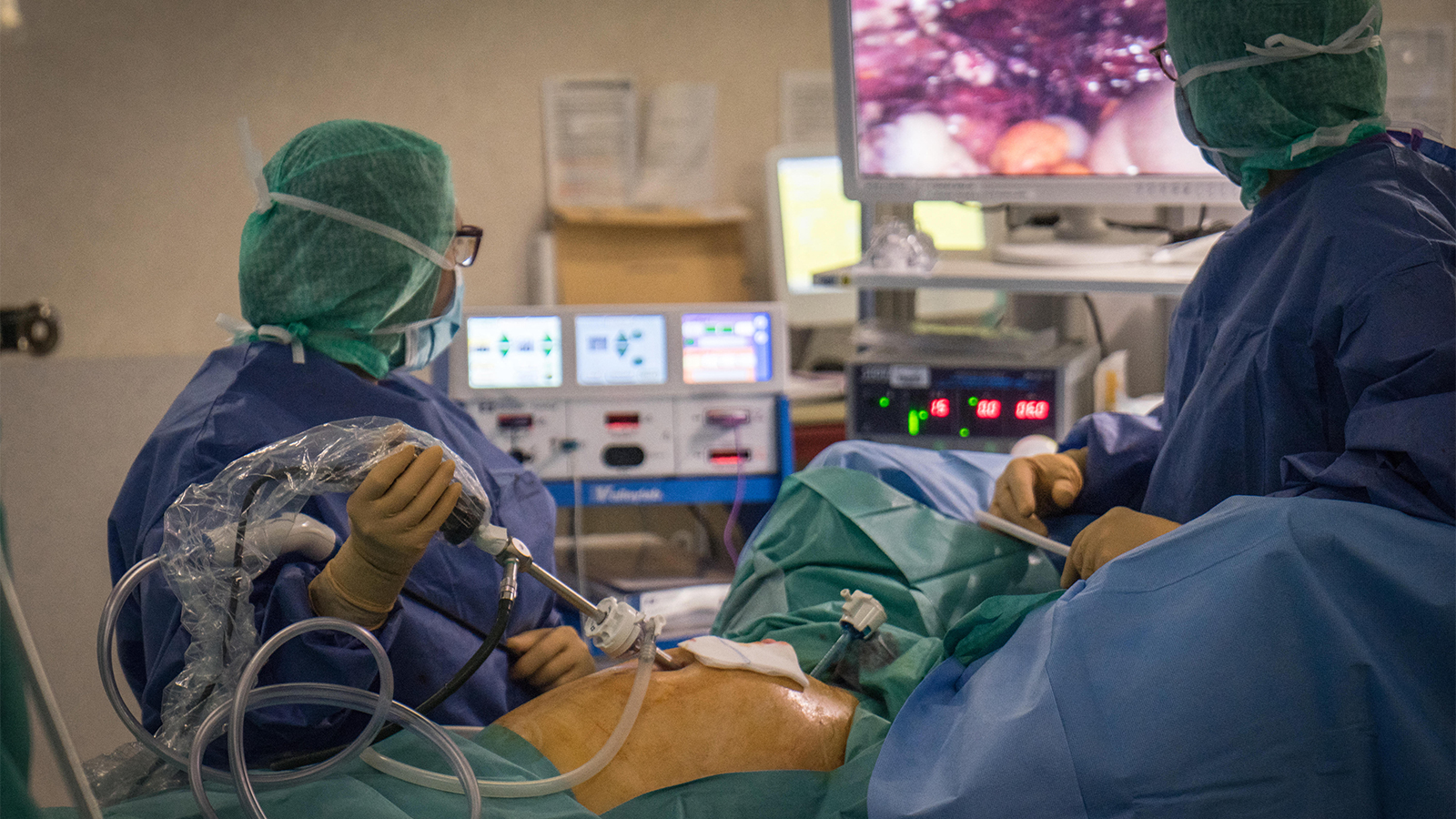
A recent randomized trial suggests that using non-opioid options to manage pain after a laparoscopic or robotic hysterectomy is just as effective as routine opioid pain management. This finding, reported by researchers from Johns Hopkins University, challenges the widespread practice of prescribing opioids for routine minimally invasive gynecological surgeries.
The study, published in Obstetrics & Gynecology, included 64 English-speaking adults who underwent hysterectomy for benign conditions at an academic medical center between January 2023 and January 2024. Of these participants, 33 received opioids and 31 received non-opioid pain management. The primary outcomes were measured using the 11-point Numeric Rating Scale (NRS-11) at postoperative days 1 and 7, with scores of 4.0 and 2.1 for the non-opioid group, and 5.0 and 3.1 for the opioid group.
These results met the criteria for noninferiority, indicating that the non-opioid approach was not worse than the opioid approach. Importantly, both groups reported high satisfaction with their pain control, with 91% of the non-opioid group and 90% of the opioid group rating their pain control as satisfactory on postoperative day 1, and 100% of both groups rating it satisfactory on day 7.
While additional research is needed, the findings suggest that universal opioid prescription after hysterectomy may not be necessary. Instead, a more individualized approach to pain management, focusing on multimodal pain control, could be considered. The authors note that overprescription of postoperative opioids contributes to excessive consumption, which is particularly relevant in the context of the opioid epidemic.
Over 330,000 minimally invasive hysterectomies are performed annually in the United States, and up to 6.8% of patients are at risk of persistent opioid use after the procedure. The researchers urge a careful consideration of the long-term risks associated with routine opioid prescriptions. Previous small studies have indicated that opioids may not be needed for minimally invasive gynecologic surgeries, and the practice of postoperative opioid prescription may be a carryover from the era of open surgery that requires a robust assessment.
Written by urgent.news from MedPage Today's reporting — not their text. Machine-written — may contain errors; check the original before relying on it.