Men who crave social power are more likely to endorse strict beauty norms for women
New research reveals that men who crave social power and hold traditional views on masculinity are significantly more likely to expect women to spend heavy time and money on their physical appearance.
A new research study, published in the journal Sex Roles, indicates that men who uphold traditional views on masculinity and the desire for social power are more inclined to endorse stringent beauty standards for women. The study, led by Ece Akca, a psychologist at Ege University in Turkey, aimed to better understand the reasons behind society's intense pressure on women to focus on physical attractiveness.
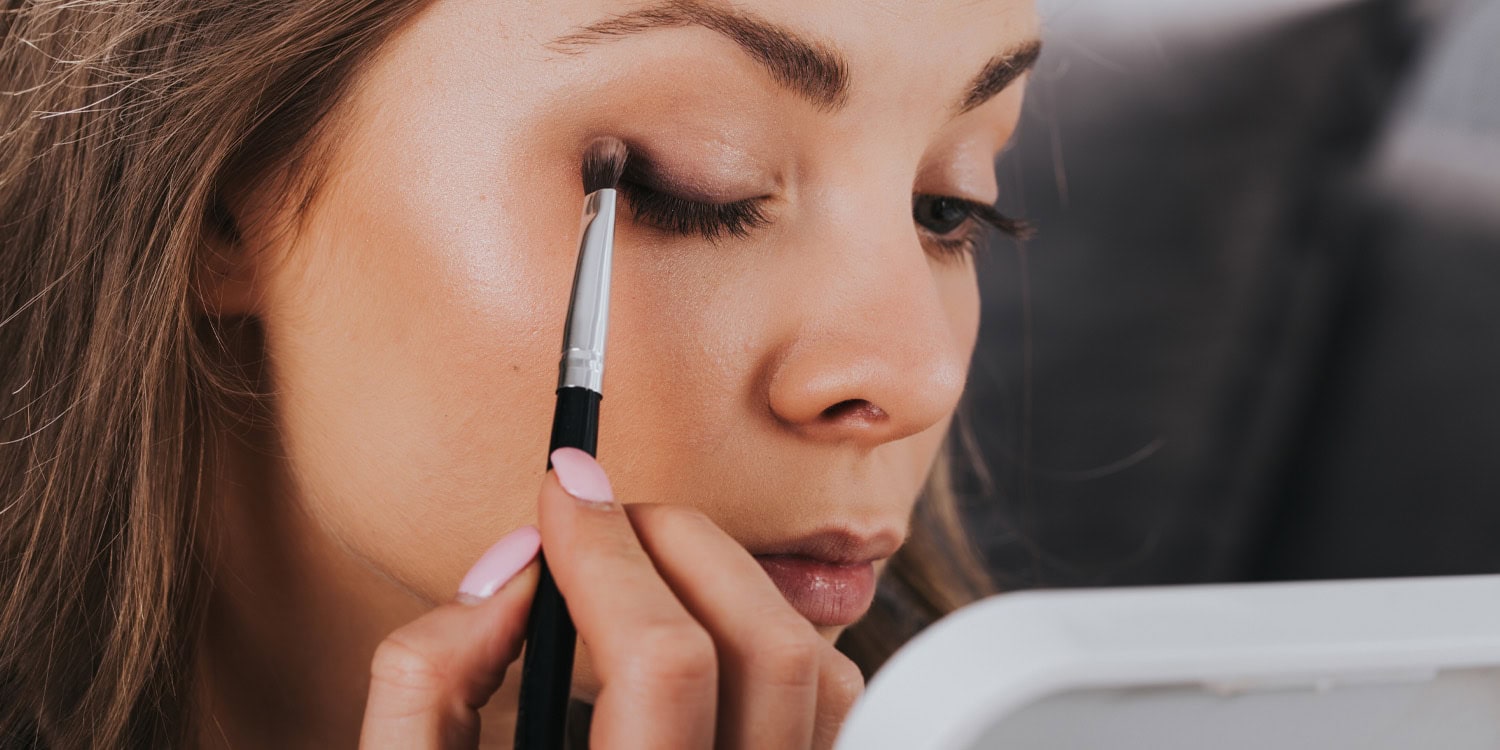
In contemporary society, beauty standards extend far beyond basic hygiene, including time-consuming and costly practices like daily makeup, body hair removal, and intricate anti-aging routines. Akca's research, conducted in Turkey, focused on the psychological factors behind the societal expectations of women to prioritize physical beauty.
The researcher hypothesized that men who strongly endorse traditional masculine roles would also support prescriptive beauty norms as a means to maintain male-defined social hierarchies. The study consisted of two experiments with a total of 346 participants. The first experiment analyzed the survey responses of 183 male undergraduate students.
The participants completed questionnaires measuring their endorsement of traditional masculinity, social dominance orientation, and prescriptive beauty norms. The study found a positive connection between traditional masculinity beliefs and the endorsement of prescriptive beauty norms, even after controlling for the participants' levels of hostile and benevolent sexism.
The second experiment tested whether a temporary threat to a man's masculinity would increase their support for strict beauty expectations for women. Participants were randomly assigned to view an image of a king, accompanied by a message affirming their traditionally masculine traits, or a neutral image. The results showed that a temporary threat to masculinity did not significantly increase support for strict beauty norms in the participants.
The study suggests that men's investment in these beauty expectations goes beyond a mere personal choice, reflecting broader social realities that shape the power dynamics between men and women.
Written by urgent.news from PsyPost's reporting — not their text. Machine-written — may contain errors; check the original before relying on it.