Listening offers a clearer picture of India’s hidden finless porpoises
The Indo-Pacific finless porpoise is one of India’s smallest cetaceans, inhabits turbid coastal waters, and lacks a dorsal fin — all of which make it a difficult species for researchers to spot. Recent research suggests these animals are far more prevalent in Indian waters than visual sightings suggest, yet they may be disappearing before they […]

The Indo-Pacific finless porpoise, a diminutive cetacean found in India's turbid coastal waters, presents a unique challenge for researchers due to its lack of a dorsal fin and the difficulty in spotting it. A recent study suggests that these elusive creatures are far more abundant than previously believed, yet they could be vanishing before accurate counts can be made, as reported by Mansab Sayyad for Mongabay India.
Adults of this species typically measure between 1.5 and 1.9 meters in length and weigh around 30-45 kilograms, characterized by a broad, rounded head, absence of a dorsal fin, and a preference for shallow, muddy waters, surfacing only occasionally.
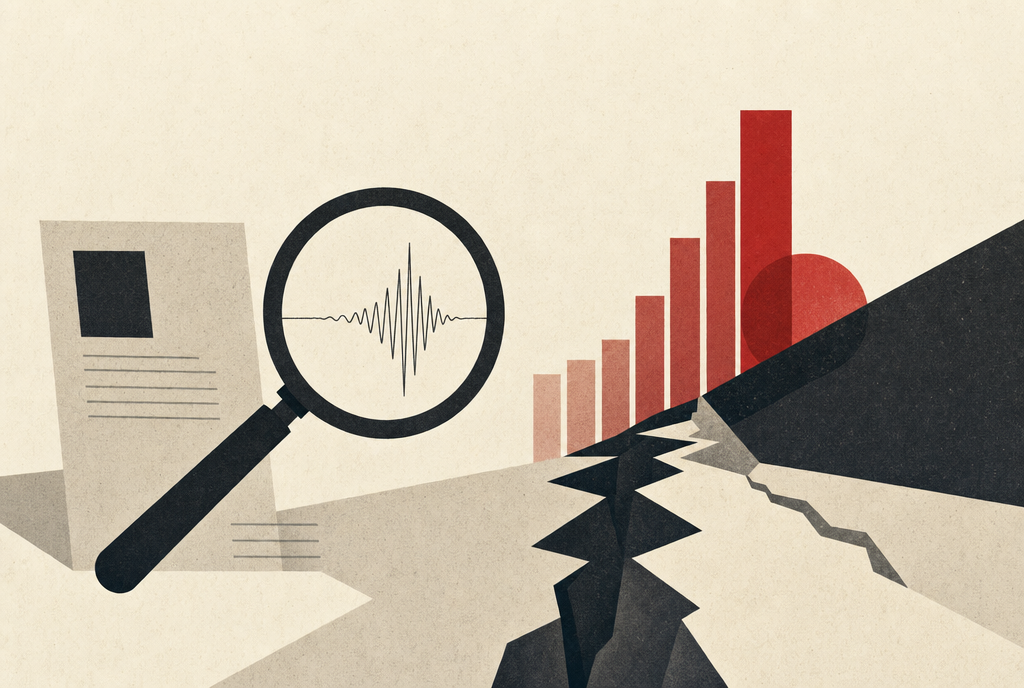
Despite its inconspicuous nature, the finless porpoise communicates through echolocation, producing high-frequency sounds beyond human hearing but audible with specialized recording equipment. In 2025, a collaborative study conducted off the Sindhudurg coast, north of Goa, revealed that acoustic surveys were four times more likely to detect finless porpoises compared to traditional visual surveys.
Isha Bopardikar, a lead author from the Indian Institutes of Science Education and Research (IISER) Tirupati and Cornell University's K. Lisa Yang Center for Conservation Bioacoustics, emphasized that visual assessments in Indian waters are severely limited by poor visibility and the animal's brief appearances at the surface. Consequently, relying solely on boat-based observations for population estimates may only offer a partial understanding of the finless porpoise's population dynamics.
Accurately gauging their numbers and trends in the region remains a significant challenge. This report was originally published on Mongabay India.
Written by urgent.news from Mongabay's reporting — not their text. Machine-written — may contain errors; check the original before relying on it.