Climate change may help eliminate malaria from West and Central Africa
Global warming may make it too hot for malaria-carrying mosquitoes to survive in parts of Africa, but could also shift the problem to less affected areas
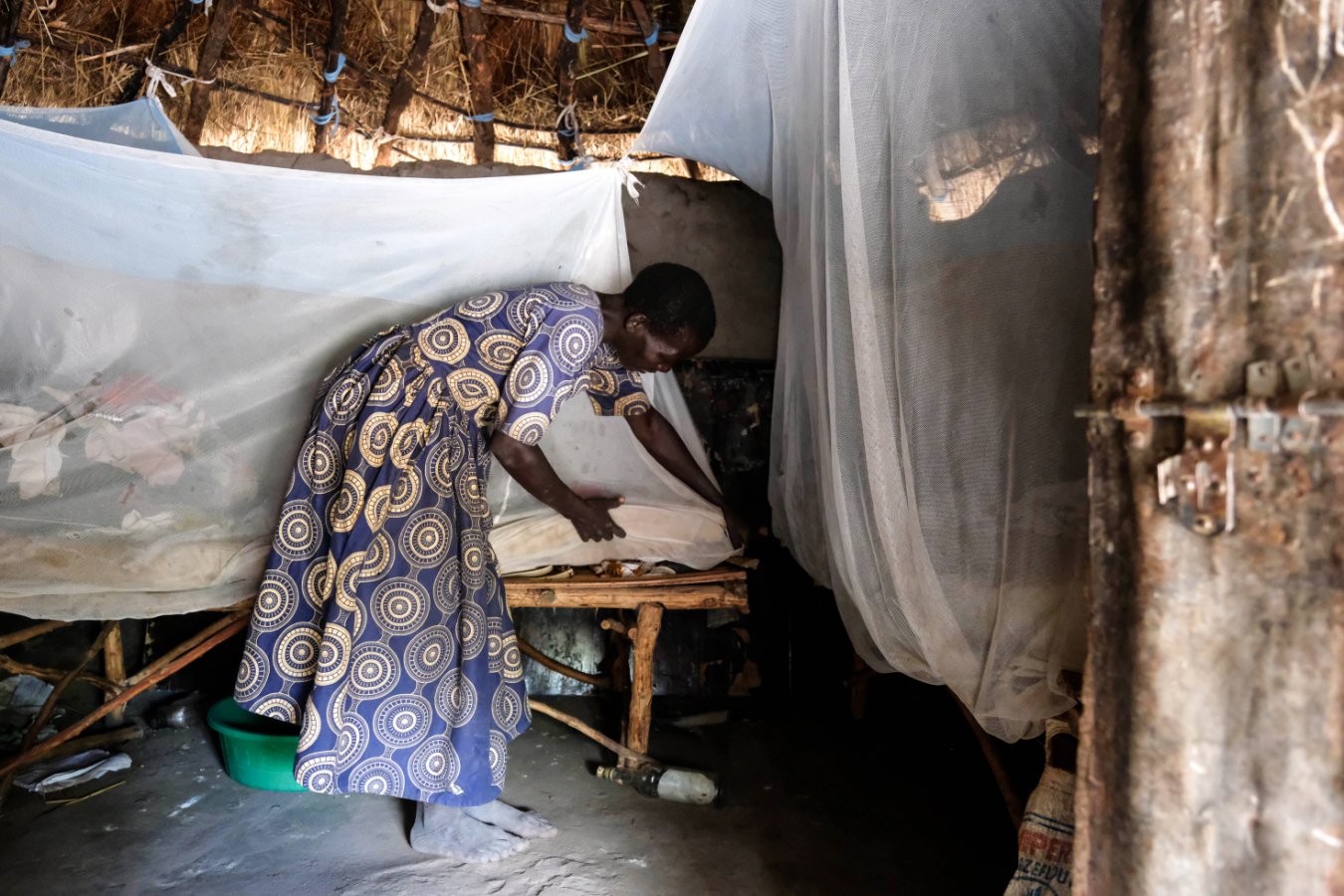
By the end of this century, malaria may be eradicated from West and Central Africa, two regions most affected by the disease. A study suggests that extreme heat from climate change could make these areas unsuitable for mosquitoes, thus reducing malaria cases. However, cooler regions of Africa, such as Kenya and Angola, may see an increase in malaria prevalence.
"The overall story is that the burden is shifting," says Tamma Carleton from the University of California, Berkeley. Malaria, transmitted by infected mosquitoes, occurs when people are bitten by mosquitoes carrying the Plasmodium parasite. Laboratory tests show the optimal temperature for mosquito survival and parasite development is between 16°C and 34°C, with the highest transmission at 26°C.
Carleton and her team analyzed data on malaria prevalence in sub-Saharan Africa between 1900 and 2016, using climate simulations to estimate the impact of human-induced warming. From 2010 to 2014, climate change resulted in an additional 1 case per 1000 children developing malaria in West and Central Africa. Under high greenhouse gas emission scenarios, the study projects a 2.4°C rise in global temperatures could reduce malaria cases in West Africa by 45 per 1000 in 2100, compared to 2015-2020.
Conversely, Central African nations like the Democratic Republic of the Congo could see 16 fewer cases per 1000. While existing prevention strategies like vaccines and bed nets may help eradicate malaria in these areas, cooler regions may see a rise in cases and lack of immunity. Global efforts to reduce emissions could mitigate these regional increases in malaria cases, according to Carleton.
Written by urgent.news from New Scientist's reporting — not their text. Machine-written — may contain errors; check the original before relying on it.