What happens to a moon when its planet is stolen?
The galaxy is littered with rogue planets, worlds flung out of the systems that built them, drifting between the stars with no sun to call their own. But when a planet is torn away, does anything go with it? New simulations say yes, a passing star can rip a world out of its orbit and leave its moons still faithfully circling it, sailing off into the dark as a set. If our own Jupiter were evicted…
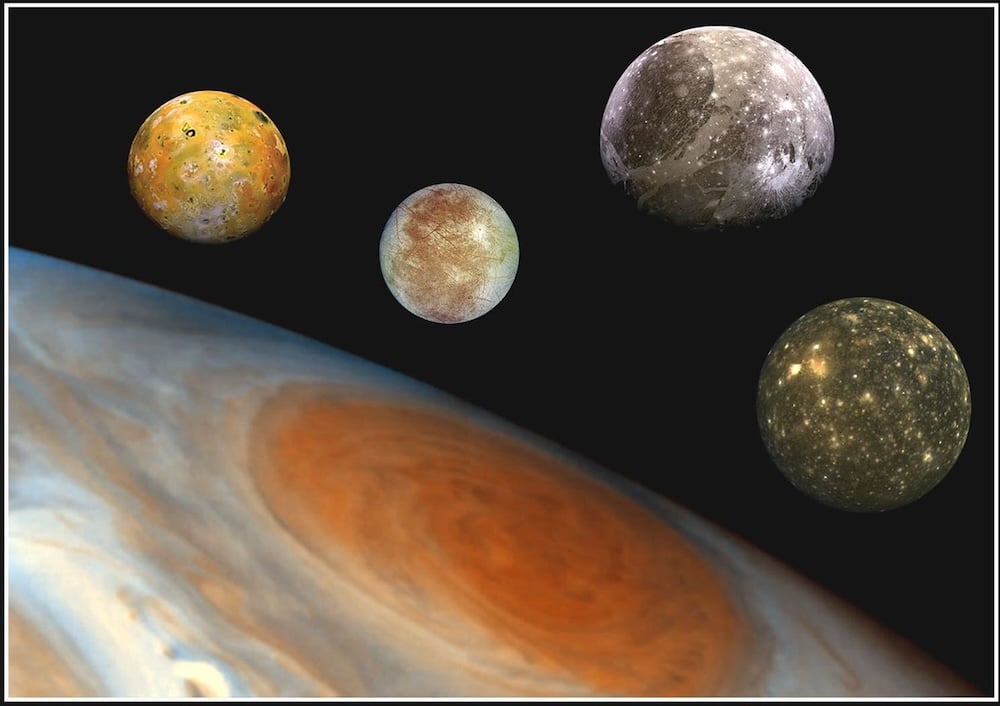
When a planet is stolen from its system, the fate of any moons it carries is determined by a boundary known as the Hill radius. This region, where the planet's gravity dominates over the star's, defines where moons must reside. If the moon's orbit is within roughly 40% of the Hill radius, it will generally survive the ejection of the planet, remaining bound to the system along with its parent planet.
Moons located within this critical region tend to retain nearly circular orbits, while those that barely hang on may emerge with more eccentric and tilted paths, marking the violent nature of their escape. In contrast, moons further out are often stripped away from the system entirely during the stellar encounter. Interestingly, moons that successfully cling to their planet during the eviction emerge with tidy, almost circular orbits, preserving evidence of the ejection mechanism.
This discovery has implications for rogue moons in our galaxy – a rogue planet with a sub-Earth-mass moon, like the candidate MOA-2011-BLG-262L, may have once orbited a star at about 5.2 astronomical units before its planetary home was stolen. As these ejected moons drift through interstellar space, tidal forces could potentially sustain subsurface oceans, hinting at the possibility of hidden extraterrestrial life on these celestial wanderers.
Written by urgent.news from Phys.org's reporting — not their text. Machine-written — may contain errors; check the original before relying on it.