Why some nitrogen-processing enzymes are more efficient than others
New findings could help researchers design synthetic catalysts that convert nitrogen gas to ammonia, a key step in fertilizer production.
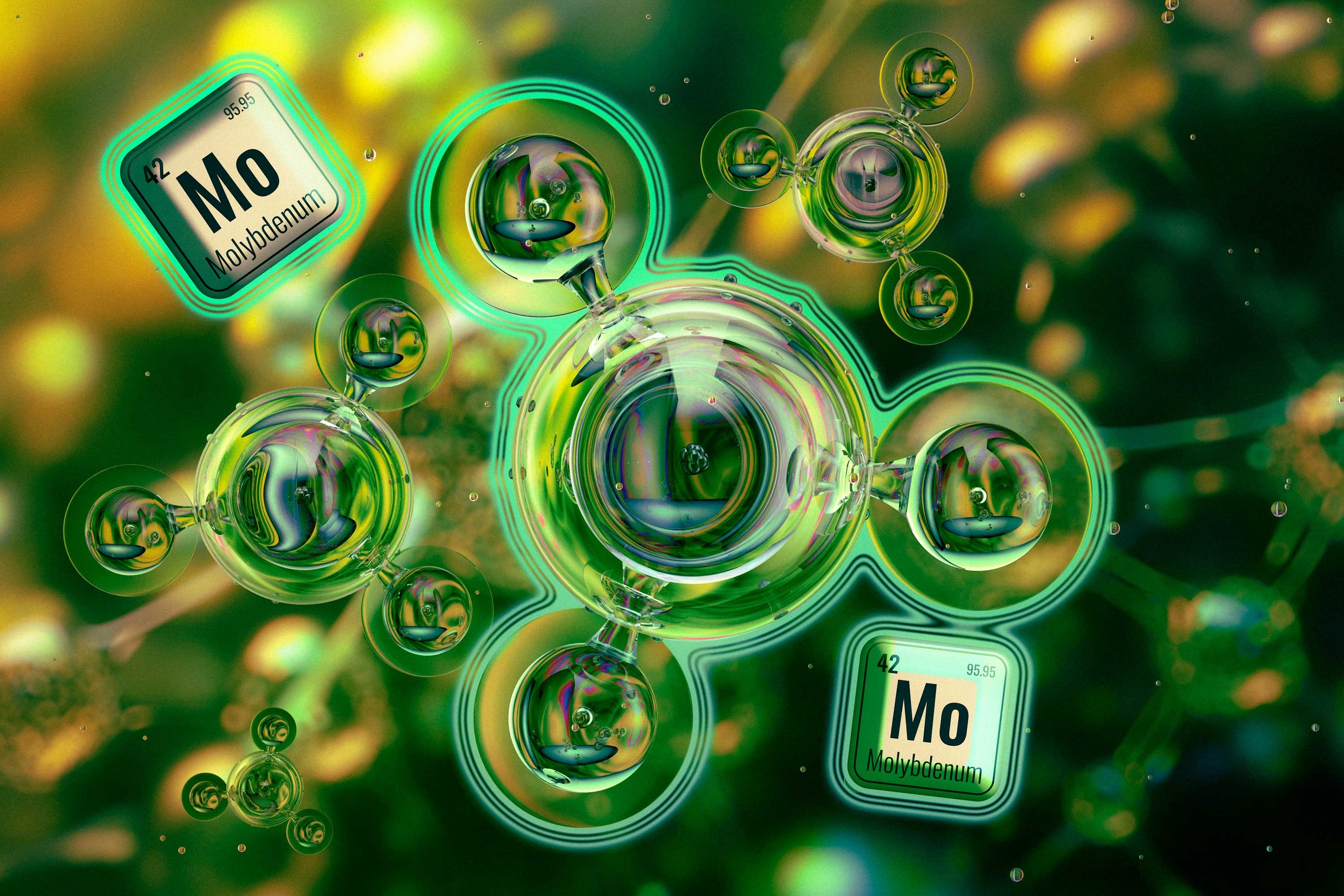
Nitrogen gas, abundant in Earth's atmosphere, remains unused by most organisms. However, nitrogen-fixing microbes employ enzymes called nitrogenases, of three classes, to convert nitrogen gas into ammonia. These classes differ in their metal contents. MIT's research reveals that molybdenum-containing nitrogenases are more efficient, and the reason behind this efficiency may lie in the way molybdenum interacts with iron atoms.
According to Daniel Suess, a senior author of the papers, the molybdenum helps nearby iron atoms bind to nitrogen more strongly, a crucial initial step in breaking the nitrogen-nitrogen triple bond. This discovery could guide the creation of engineered enzymes or synthetic catalysts capable of efficiently converting nitrogen gas to ammonia, which could revolutionize fertilizer production and energy efficiency.
Written by urgent.news from MIT News Research's reporting — not their text. Machine-written — may contain errors; check the original before relying on it.