US scientist Elsa Reichmanis defends global collaboration amid scrutiny of science exchange
American materials scientist Elsa Reichmanis, whose pioneering work helped lay part of the foundation for modern semiconductor manufacturing, said scientific collaboration should transcend rivalry after receiving one of China’s highest honours for foreign experts, describing science as “a universal language” that benefits all of society. Reichmanis, a professor of chemical engineering in Lehigh…
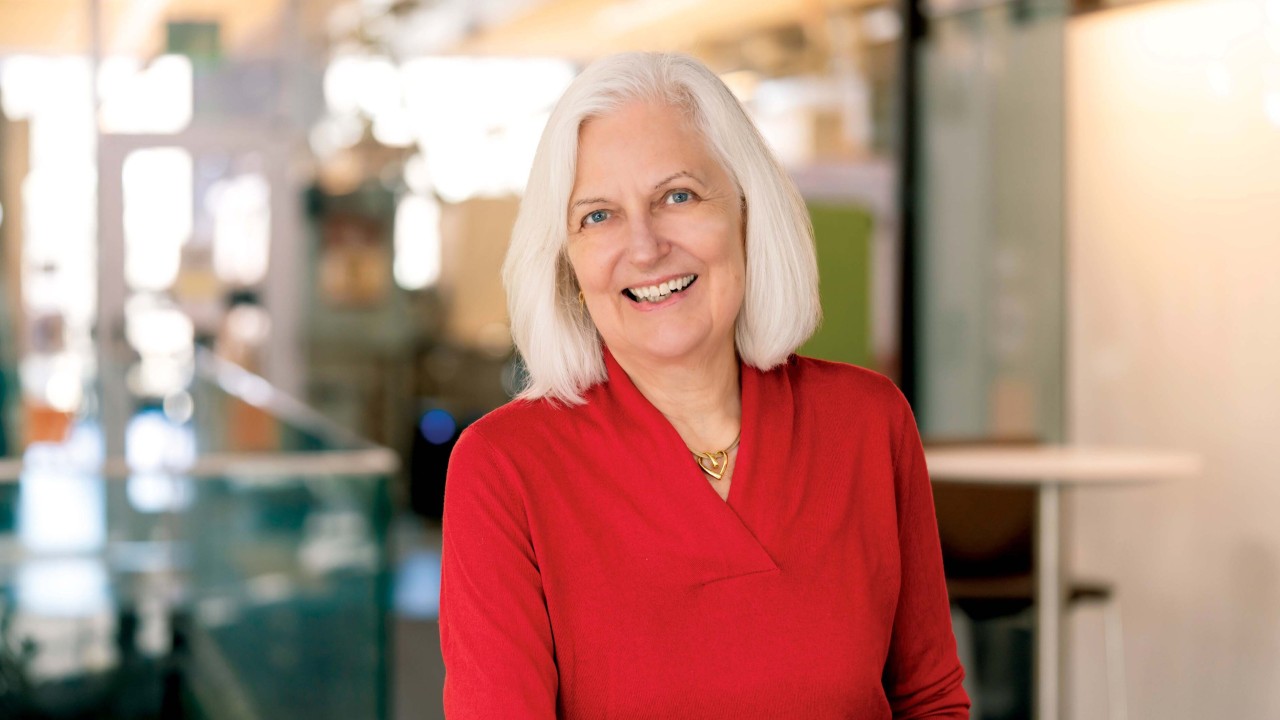
American materials scientist Elsa Reichmanis, a pioneer in semiconductor manufacturing, has defended global scientific collaboration following her receipt of China's highest honor for foreign experts. In July, the China International Science and Technology Cooperation Award recognized Reichmanis, along with eight others, for their contributions to scientific exchanges with Chinese researchers.
Reichmanis, a professor at Lehigh University, is renowned for her work on chemically amplified photoresists, crucial for manufacturing tiny circuits on silicon chips. In an interview, the 72-year-old scientist emphasized that science serves as a "universal language" and stressed the importance of collaboration for global progress. This sentiment comes amid heightened scrutiny of US-China scientific exchange amid technology competition and stricter research limitations.
China established the award in 1994 to commend those who partner with Chinese entities in significant scientific achievements, introduce advanced technologies, foster domestic scientific talent, and promote international cooperation. This year, the award's significance is heightened amid heightened scrutiny over US-China scientific collaborations. The US National Science Foundation barred its funded researchers from interacting with certain Chinese universities and firms in a recent open letter.
Reichmanis explained that scientific research should remain separate from technological competition, highlighting that technology's development can exist independently of scientific advancements. She noted that her research, primarily open-access publications in peer-reviewed journals, benefits the broader scientific community. Reichmanis' collaboration with China began with early exchanges between the American and Chinese Chemical Societies, eventually evolving into joint activities at Donghua University in Shanghai since 2013.
Over two decades, Reichmanis observed China's increasing investment in research infrastructure, staff, and research quality. Although she is not associated with the development of photoresist technology, her work on chemically amplified photoresists has contributed to the global scientific discourse. The award highlights continued scientific communication and collaboration as essential for bettering the world.
Written by urgent.news from SCMP Tech's reporting — not their text. Machine-written — may contain errors; check the original before relying on it.