It’s time we recognize the roles of rangers — and prioritize their safety (commentary)
It is always a tragedy when a ranger is injured in the line of duty. Sadly, it is a story we have come to know all too well: brave men and women head into the field each day, and on occasion, whether at the hands of armed groups, dangerous wildlife, or environmental emergencies, it goes […]
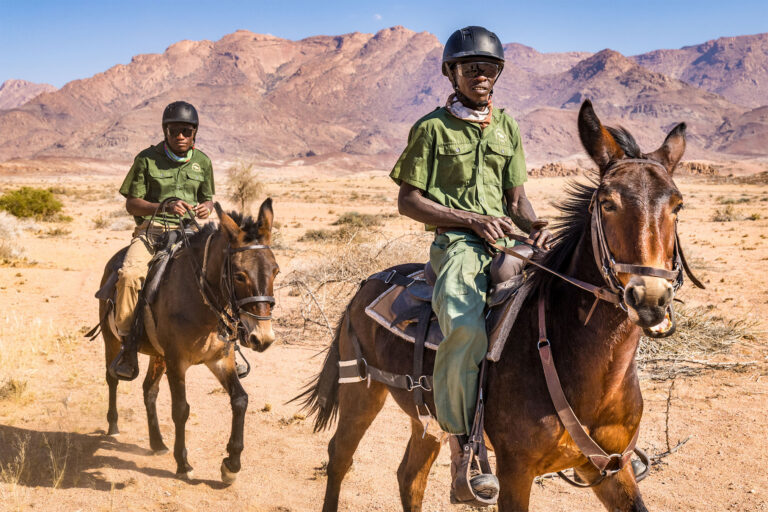
In the course of their vital work, rangers put their lives on the line to safeguard our natural world. Yet, tragically, this reality has become all too common: brave individuals enter the field daily, and sometimes, due to armed adversaries, lethal fauna, or environmental crises, the outcome proves disastrous. However, an often overlooked aspect is the disparity in the support provided to rangers should an incident occur.
This became painfully evident in recent events when, regrettably, two rangers sustained serious injuries in a vehicle accident during their duties in Mozambique. Both required immediate medical attention, yet their recovery experiences diverged significantly. One ranger was fortunate enough to be part of the Game Rangers Association of Africa (GRAA’s) RangerProtect, an insurance program that covers medical treatment and evacuation for injured rangers.
The other, unfortunately, did not have this safety net. Though both were rescued promptly and treated at the nearest appropriate medical facility, the ranger without coverage encountered considerably more limited options for his continued care and rehabilitation. As we draw closer to World Ranger Day on July 31, it is imperative to acknowledge the immense sacrifices rangers make in protecting our natural heritage.
Regrettably, the latest incident serves as a stark reminder that these sacrifices are frequently made in the absence of the necessary support system required for rangers to perform their duties safely and effectively.
Written by urgent.news from Mongabay's reporting — not their text. Machine-written — may contain errors; check the original before relying on it.