Light pollution could threaten the morning routine of India’s endangered gharials
Research Matters Staff Writer(s) Bengaluru 27 Jul 2026 For the critically endangered gharial, the day begins according to the brightness of the sky, not the warmth of the sun. A new study has proposed that these ancient, narrow-snouted crocodiles rely more on light intensity than on temperature to decide when to crawl out of the water and begin their daily sunbathing. This discovery by an…
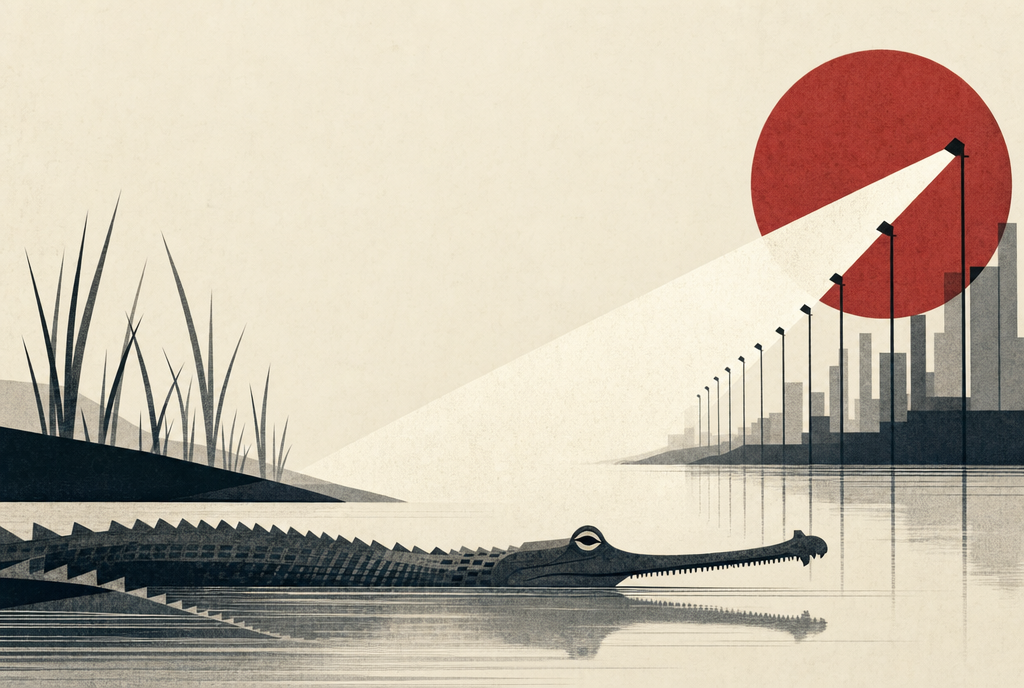
A new study suggests that India's critically endangered gharials rely more on light intensity than temperature to begin their daily routine of basking in the morning sun. Researchers from the University of Helsinki, the Wildlife Institute of India and the Leibniz Institute of Freshwater Ecology and Inland Fisheries found that gharials, a narrow-snouted crocodile species, use light as a major cue to transition from water to land.
This discovery indicates that light pollution could disrupt the already vulnerable reptiles' biological clocks, as artificial light at night and changing global temperatures may confuse their natural basking behavior. The gharials, which are currently found in only a few thousand individuals in India and Nepal, are ectothermic and depend on their environment to regulate their body temperature.
They bask on riverbanks during the day to warm up and dive into the water to cool off. However, the study revealed a disconnect between the environmental cues the gharials use and the temperatures they experience. Younger hatchlings, in particular, are highly sensitive to light and may emerge from the water at the wrong time if they rely solely on light cues, potentially exposing them to cold stress or attacks.
Conservationists may need to consider the impact of light pollution on gharial habitats when developing protection strategies.
Written by urgent.news from Research Matters India's reporting — not their text. Machine-written — may contain errors; check the original before relying on it.