What We Talk About When We Talk About the Interstitium
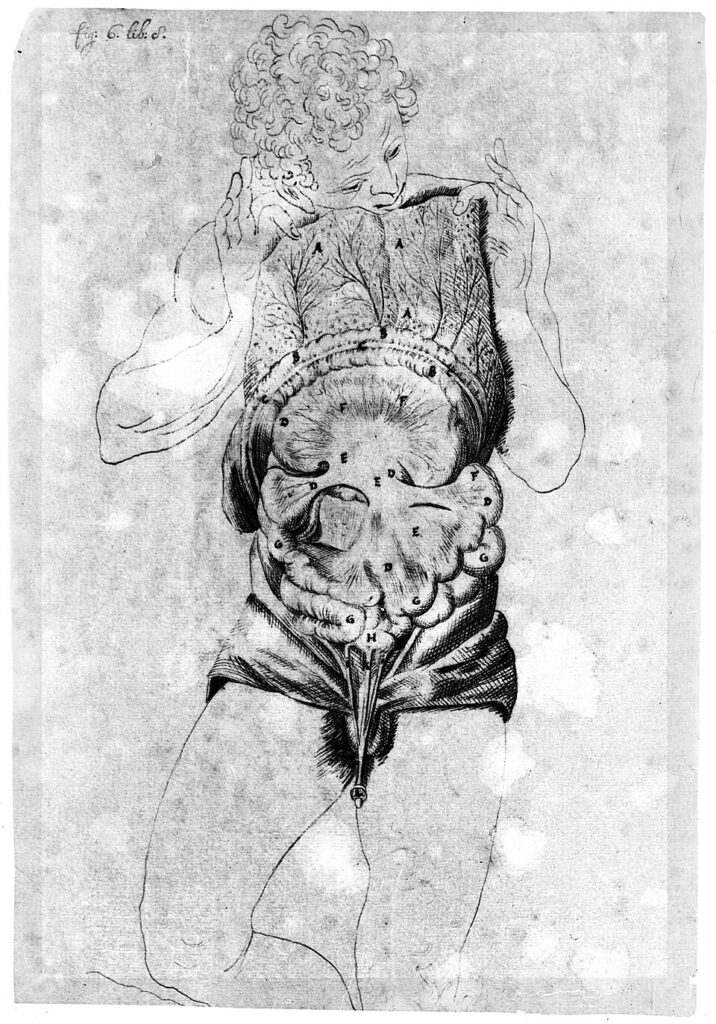
The recent experiments involving foreign materials such as tattoo ink or chemical tracers migrating into what was described as "hidden pathways" within the body have sparked questions and discussions. These pathways did not align with the two traditionally accepted networks of Western medicine - the vasculature and lymphatic systems. This "hidden pathway" was referred to by the media as the "interstitium," a term encompassing a network composed mainly of proteins and fluids surrounding organs and tissues.
Although the interstitium was known to anatomists such as Andreas Vesalius as early as the 16th century, it has not been extensively discussed in Western medical education or popular science. Contemporary Western medicine primarily focuses on microscopic cells and macroscopic organ systems, often relegating anything else to a mysterious and secondary background.
Reactions to this potential discovery were mixed. Some saw it as a groundbreaking finding that could potentially revolutionize our understanding of the human body, while others dismissed it as pseudoscience drawing on ancient beliefs. As a doctor and a poet, the author of this piece reflects on the tensions within the medical profession, acknowledging the rigidity and reluctance to change, yet also appreciating this as a strength in an uncertain world.
Written by urgent.news from The Paris Review's reporting — not their text. Machine-written — may contain errors; check the original before relying on it.