Supercooled kidneys have been transplanted into pigs in a “landmark achievement”
When it comes to organ donation, time is everything. As soon as an organ has been carefully removed from a donor’s body, it starts to deteriorate. Surgeons have a matter of hours to get it into a recipient. Leave it too long and the organ will become unusable. In most cases, organs will be kept…
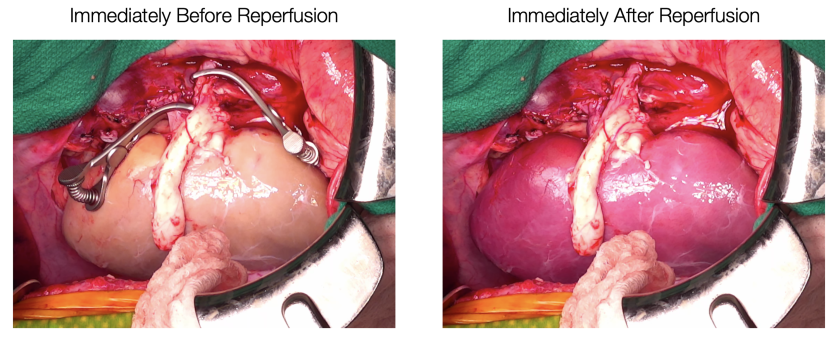
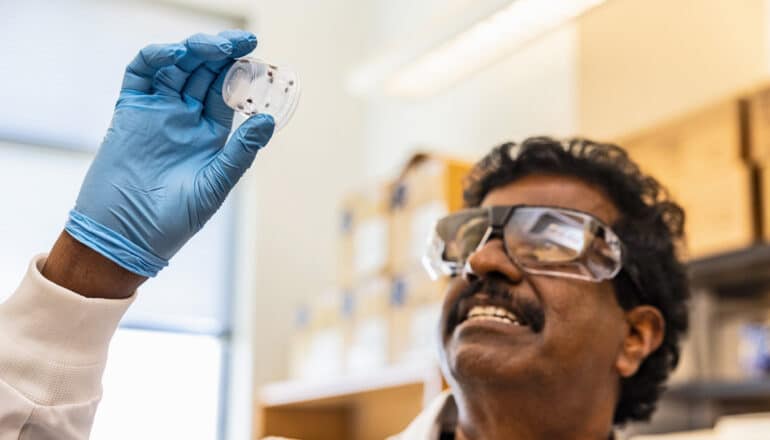
A groundbreaking study has demonstrated that kidneys can be successfully supercooled and preserved using a novel device, potentially addressing the critical issue of organ preservation and availability for transplant. Led by Matthew Powell Palm at Texas A&M University, the research team developed a hermetically sealed chamber that allows organs to be cooled to -4 °C (25 °F) without forming ice crystals, which typically damage organs when frozen.
This cooling method, which uses a solution commonly used in human transplant procedures and does not require cryoprotectants, has shown promising results in preserving kidneys for extended periods.
In the study, pig kidneys were first removed and then either stored on ice for two hours or 24 hours, mimicking typical human transplant conditions, or placed in the supercooled device for 24, 48, or 72 hours. The cooled kidneys were subsequently transplanted back into the original donor pigs. Remarkably, the supercooled kidneys began producing urine and exhibited normal kidney function within about 10 days of transplantation, outperforming those kept on ice for 24 hours, which often took a week or more to recover.
Notably, kidneys stored for 48 and 72 hours also showed successful recovery, far surpassing the current 24-hour standard for organ preservation.
The implications of this research are significant, potentially extending the usable life of organs far beyond current limits and helping to alleviate the severe shortage of available organs. With over 104,000 people waiting for kidney transplants in the United States, where an estimated 17 people die daily due to the lack of a transplant, this advancement could drastically improve outcomes and reduce organ wastage.
Additionally, the preserved kidneys continued to grow in the pigs over a 30-day period, indicating that the supercooling technique supports long-term viability.
While this breakthrough marks a "landmark achievement," further research is needed to refine the method and ensure its safety and efficacy in human transplants. Nonetheless, the potential to revolutionize organ preservation and ultimately save more lives is unquestionably exciting.
Written by urgent.news from MIT Tech Review Biotech's reporting — not their text. Machine-written — may contain errors; check the original before relying on it.