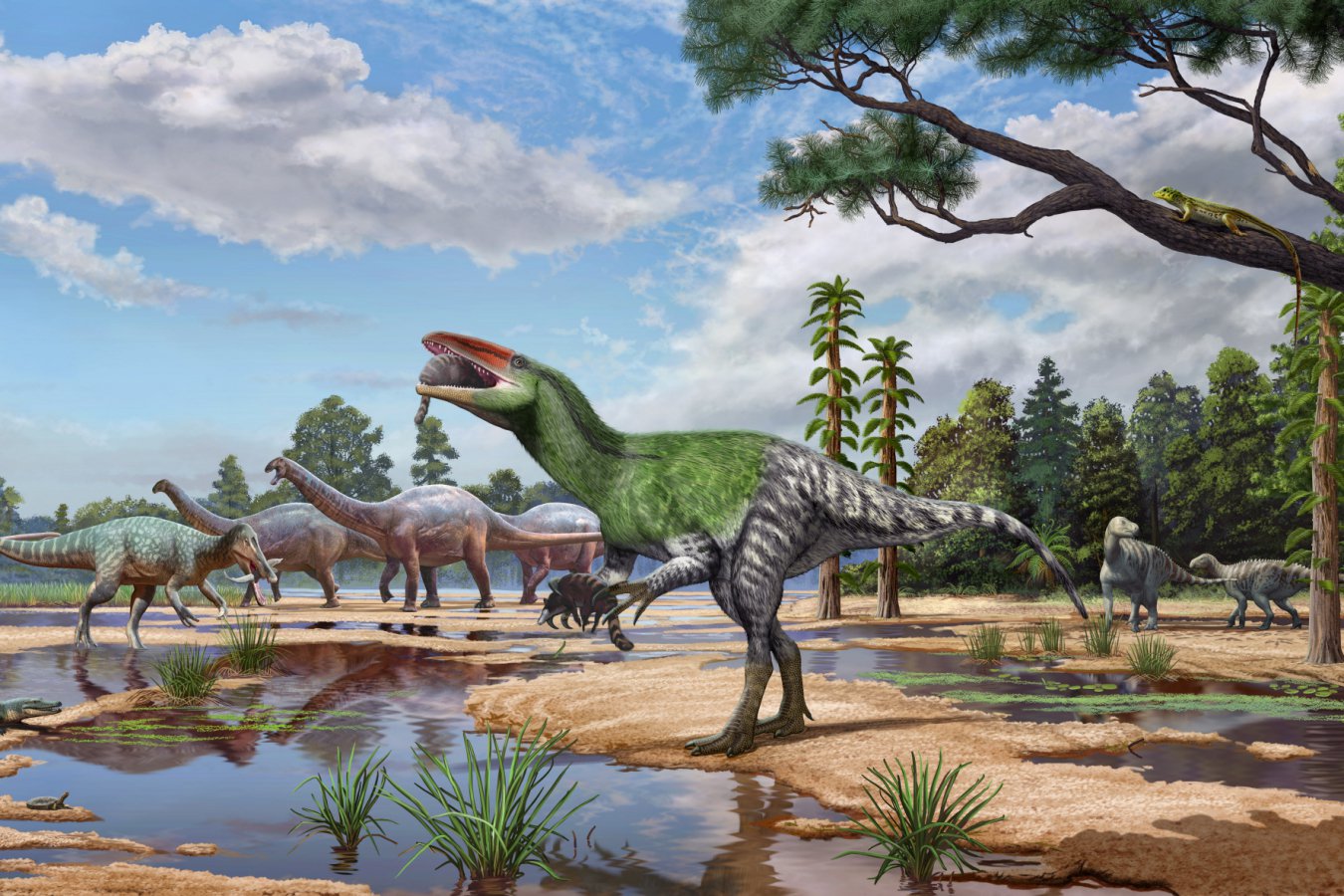
Dinosaur named new species 102 years after fossil found on Isle of Wight
Invictibellatrix amberina, a predator in the megaraptoran group of dinosaurs, lived in what is now Britain 120 million years ago and may have had claws 20 centimetres long
What's breaking now, across hundreds of outlets.
Tuesday, 13 October 2026
12 stories · 10 sources
No grouped briefing was written for this day. These are its stories, most widely covered first.
Invictibellatrix amberina, a predator in the megaraptoran group of dinosaurs, lived in what is now Britain 120 million years ago and may have had claws 20 centimetres long
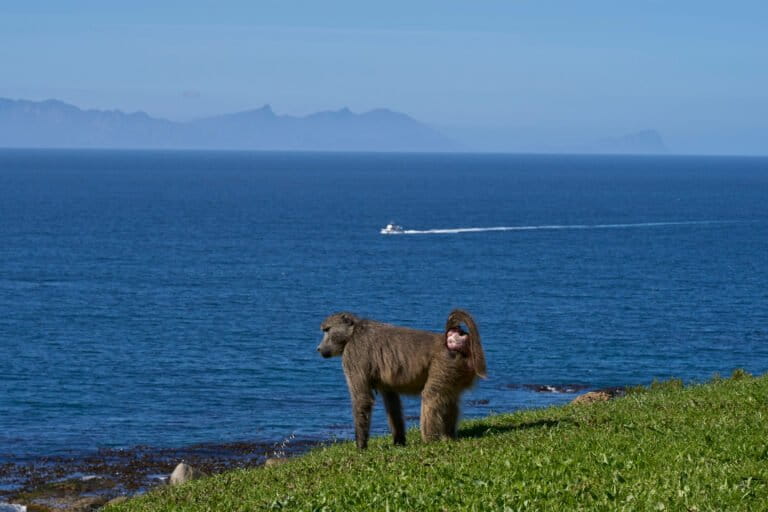
CAPE TOWN, South Africa — A steady stream of chacma baboons flows down the walking path in the beautiful wooded ravine that leads up to Admiral’s Kloof, on the slopes of Table Mountain National Park. The score of baboons (Papio ursinus) descending the ravine — half of the 44-strong Waterfall troop — are on their […]
El Niño has continued to strengthen, with several key measures now in record territory. Simon King explores how it compares to previous events.
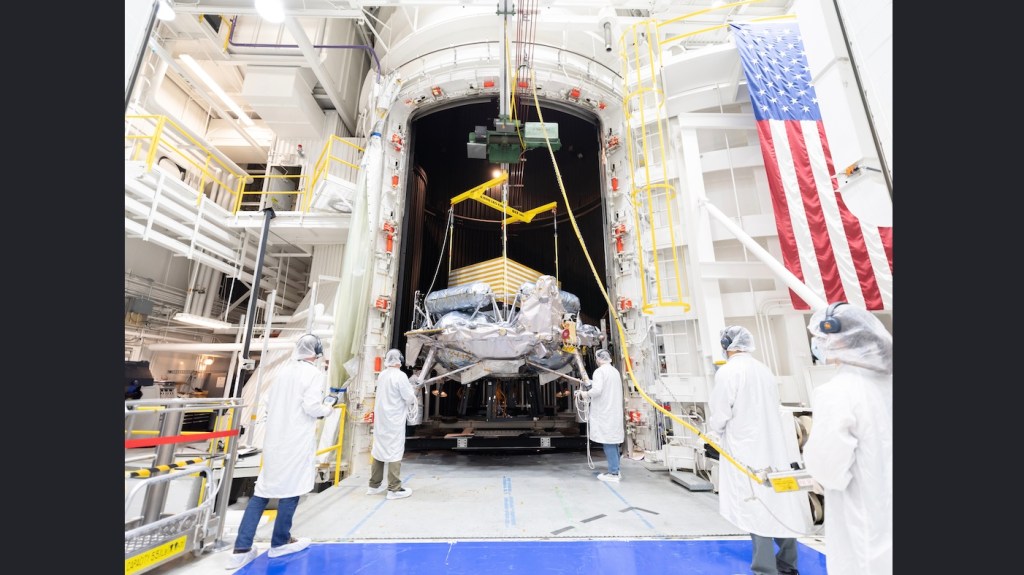
A commercial lander that will be at the forefront of NASA’s efforts to establish a Moon Base, humanity’s first lunar outpost, has passed a series of critical tests at the agency’s Jet Propulsion Laboratory in Southern California.
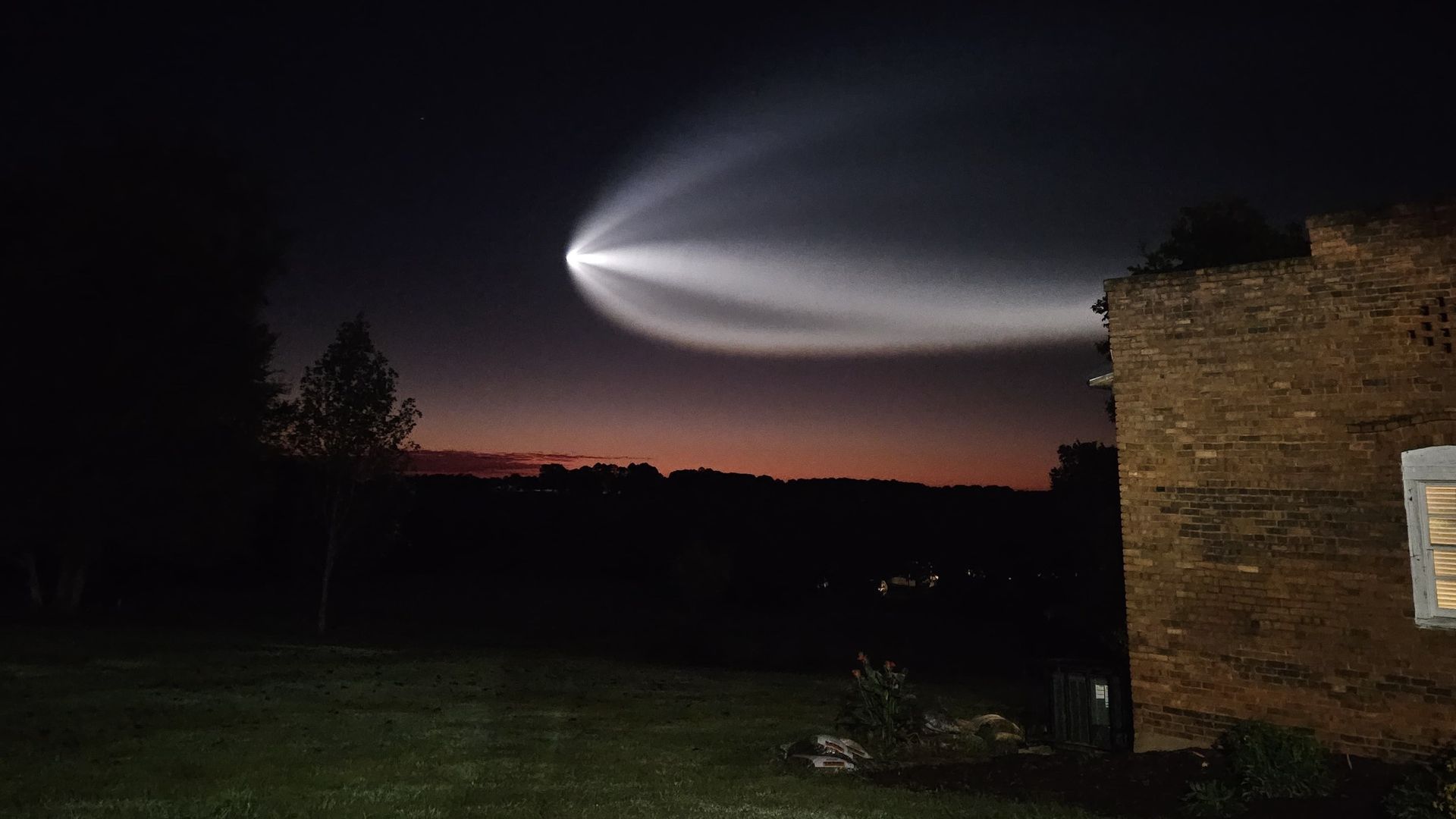
The SpaceX cargo launch to the International Space Station on Tuesday morning (Oct. 13) created a dazzling display seen up and down the US East Coast.
When parents have different approaches to raising children, who’s right? Research suggests the answer matters less than how they handle their disagreements.
Quality, rather than discounts or environmental benefits, is what’s needed to encourage shoppers to consider odd-shaped produce.
Violence and sexual violence against children have increased sharply across Australia, research by the University of Sydney finds.
Pigs, camels, rabbits and many others were brought to Australia deliberately as valuable species. But we see them very differently once they become free-roaming.
A new study suggests cross-hemispheric overturning circulation could continue for centuries, even as North Atlantic Deep Water formation shuts down.