The Ocean Circulation That Persists Even After a Key AMOC Component Fails
A new study suggests cross-hemispheric overturning circulation could continue for centuries, even as North Atlantic Deep Water formation shuts down.
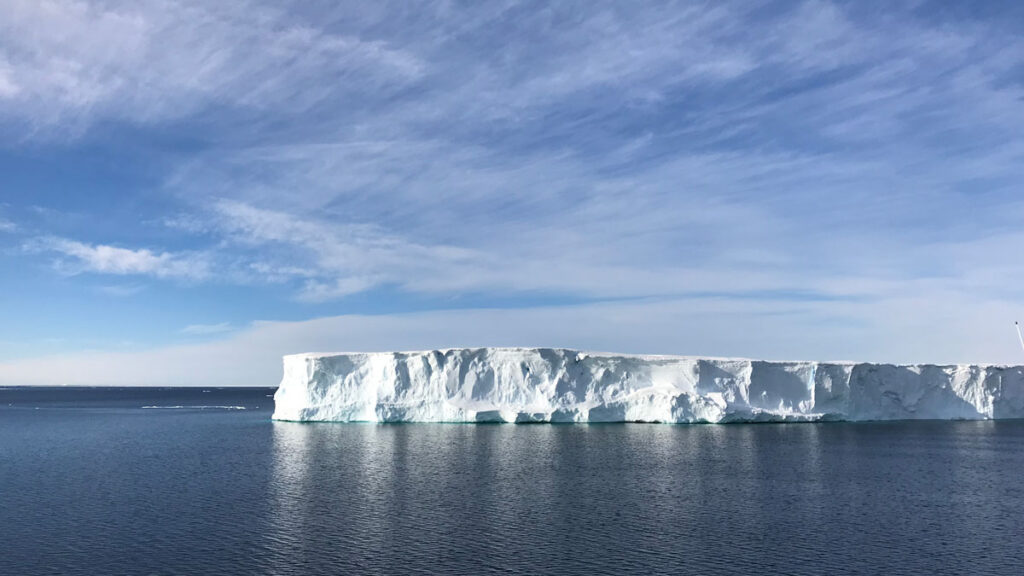
The Atlantic Meridional Overturning Circulation (AMOC), a crucial component of Earth's climate system, is at risk due to climate change. However, recent studies using various models have revealed that the cross-hemispheric overturning, a key part of the AMOC, might persist for centuries even if North Atlantic Deep Water (NADW) formation stops.
In a simulation using the Community Earth System Model 2, carbon dioxide levels quadrupled, leading to the shutdown of NADW formation but only a gradual slowdown of the cross-hemispheric overturning transport. Similarly, an idealized, reduced-gravity ocean model indicated that this continuous overturning is driven by a deepening of density layers, or a rearrangement of the ocean's stratification, rather than a balanced sinking and rising of water.
This suggests that while this circulation remains active for centuries in their models, it may not persist indefinitely. It may simply continue for several centuries until the ocean achieves a new density distribution. Furthermore, the models predict the emergence of a clockwise overturning circulation in the Indo-Pacific Ocean, which would redistribute heat, biogeochemical tracers, and ventilation throughout the ocean.
This shift could result in cooler surface temperatures at the expense of intermediate water layers, reduced nutrient levels in the upper ocean, and significantly increased ventilation age in the deep Atlantic. Ultimately, these changes could lead to significant shifts in global patterns of nutrients and ventilation, potentially affecting ecosystems and global climate in far-reaching ways.
Written by urgent.news from Eos's reporting — not their text. Machine-written — may contain errors; check the original before relying on it.