You don't have to let TSA scan your face — here's what happens if you refuse
A facial scan at the airport might seem inevitable, but that's far from the case. You can opt out, almost certainly without any major repercussions.
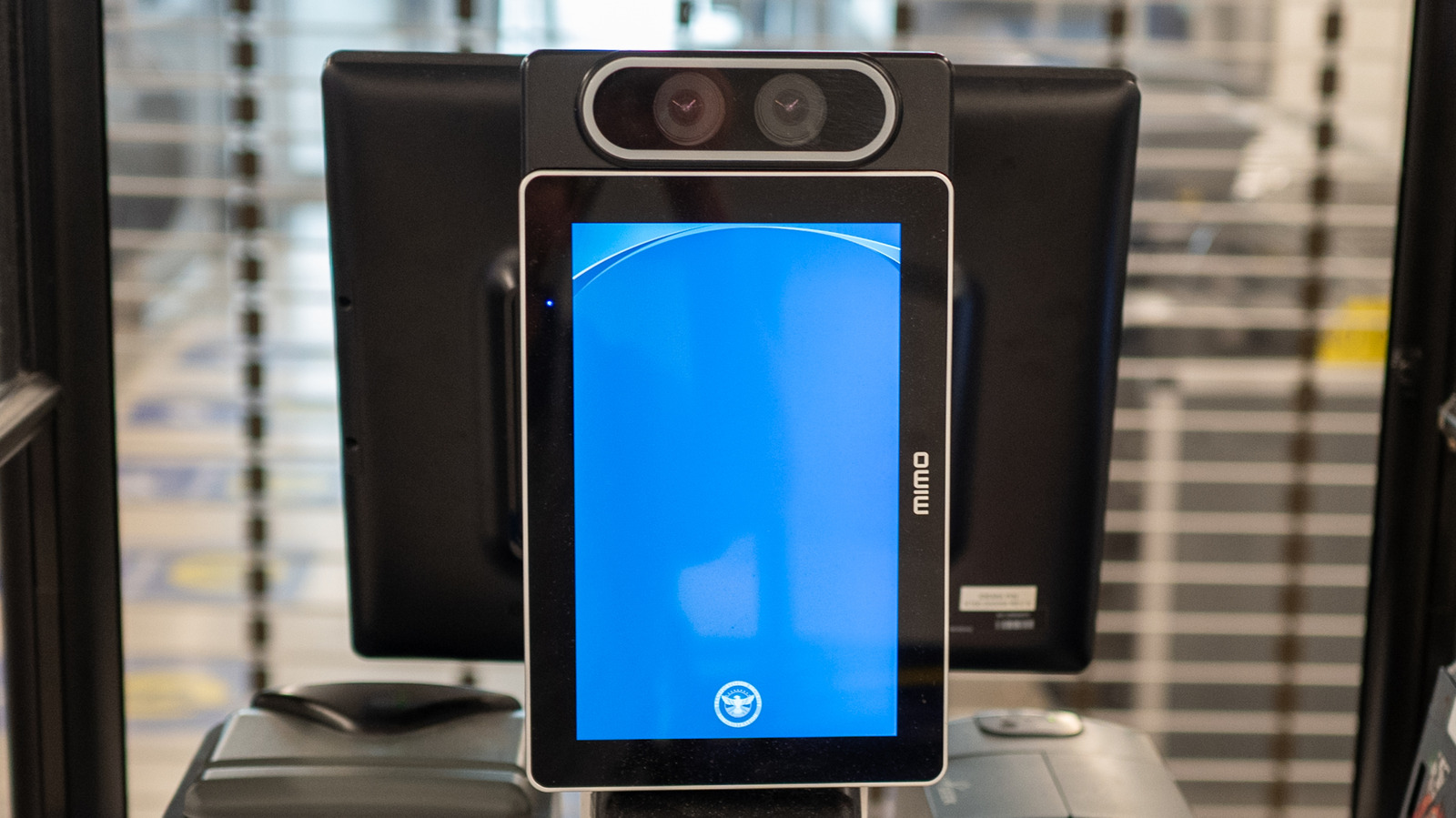
Refusing to be scanned by the Transportation Security Administration (TSA) may seem daunting, but it should not result in any problems. As you stand in the airport security line surrounded by serious-looking uniformed individuals and impatient passengers, the instinct is to comply with their instructions, including allowing your face to be scanned. However, you do have the right to decline this facial scan.
Upon entering the security line, a camera lens will be pointed directly at your face, and a TSA officer will instruct you to stand still for a photo. The officer may not explicitly mention that the scan is optional, as signage can be small, overlooked, or missing altogether. Even if you are aware of your right to opt out, you might still choose to undergo the scan due to time constraints or fear of additional screening.
When the officer asks for your ID and boarding pass, simply respond, "I would like to opt out of the facial scan." The officer will still require your identification, and you should proceed without incident. Although some may find it intrusive to have a photo taken each time they fly, this is a common practice in American airports, and the added camera surveillance aims to identify potential safety risks.
The TSA claims to delete these photos immediately, although some may be retained for testing and evaluation purposes. Facial recognition technology, while not without flaws, particularly affecting women and people of color, is generally reliable when matching IDs. However, an ACLU study revealed that even white males can be falsely matched with criminal mugshots, highlighting the potential for error.
Opting out of the voluntary TSA facial recognition scan may raise concerns about impeding travel or experiencing negative treatment. However, such apprehensions are unfounded. A 2025 report by the Algorithmic Justice League found that 99% of travelers were unaware they could decline the scan, and 67% reported experiencing negative treatment when they did opt out, such as verbal abuse or perceived additional scrutiny.
As a white-passing, cisgender male born in the United States, I have opted out of the facial scan on every flight since its implementation and have never encountered any issues with TSA employees. If you are concerned about potential risks, declining the scan is likely the best course of action, as a false negative on a face scan may provide TSA officers with a stronger pretext to pull someone aside compared to simply declining the scan altogether.
Rewritten by urgent.news; may contain errors — check the original.
Source: engadget.com