Would you pay €80 for a tin of seafood? Inside Spain’s surprising obsession with luxury canned food
In Britain, opening a tin of fish is more likely to be associated with a quick lunch than an extravagant […]
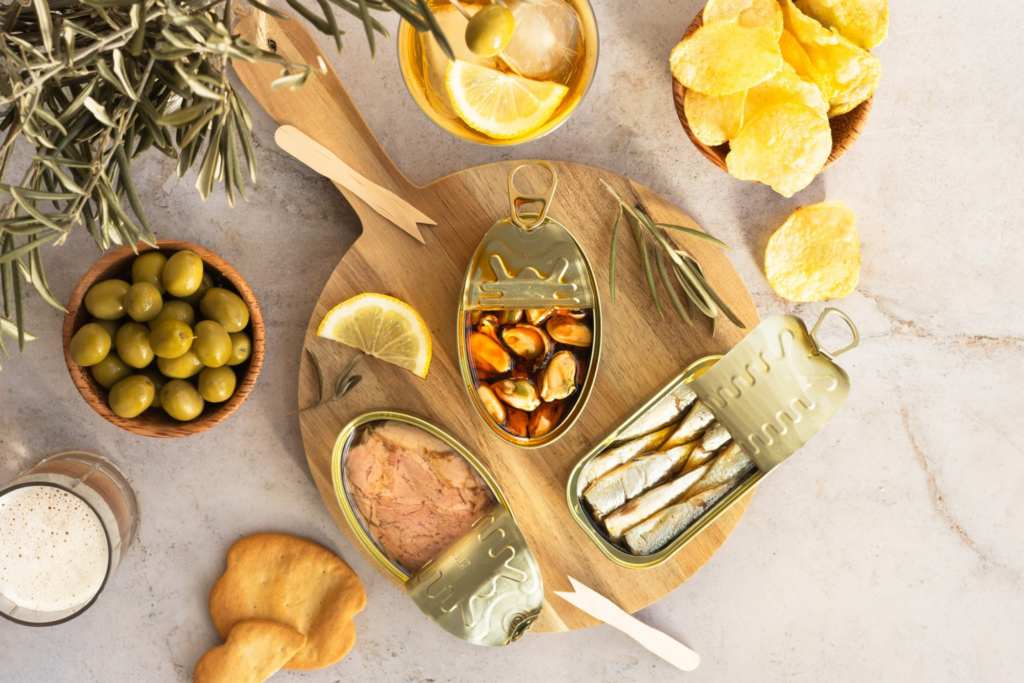
Opening a tin of seafood in Spain can turn an ordinary lunch into a gourmet experience. In Britain, canned fish is generally viewed as a simple meal, whereas in Spain, certain varieties have become luxury products. Premium tins of fish and seafood, known as conservas de pescado y marisco, often carry prices comparable to upscale restaurant meals.
Galicia, with its Atlantic coast and seafood-rich estuaries, is particularly renowned for its canning industry. Some of Spain's most prestigious seafood producers utilize skilled workers to hand-select, clean, and arrange individual pieces of seafood, elevating the process into a culinary craft. For example, Real Conservera Española, based in Cambados, Galicia, has been producing seafood since 1920 and continues to blend traditional methods with modern techniques.
The prices of Spanish conservas can be quite surprising for those accustomed to paying just a couple of euros for a tin of tuna. Some of the most expensive varieties include premium Galician clams, listed at €73.70 for a tin containing just 16 clams, and large cockles priced up to €45. Sea urchin roe, with its rich texture and marine flavor, costs around €52.
Prepared in olive oil, ventresca, taken from the fatty underside of the fish, sells for approximately €17. Gourmet mussels can cost upwards of €13 per tin. The extraordinary prices are not merely due to attractive packaging or marketing. Factors such as origin, size, availability, and quality of the seafood, as well as the labor involved in preparation, influence their value.
Some shellfish are harvested only during specific seasons when their condition is considered optimal, and they are carefully sorted, cleaned, and packed. Real Conservera Española, for instance, sources razor clams from Galician waters and individually packs them. Environmental factors, such as storms and fluctuations in water temperature and salinity, also impact shellfish populations and prices.
Despite the high costs, Spanish conservas are often enjoyed as the main dish rather than being disguised in sandwiches or pasta sauces. They are typically served with crusty bread, olive oil, lemon, or crisps, and can be paired with local wines like Albariño, cava, or traditional Spanish vermouth. These premium tins offer an appealing alternative to elaborate starters for those entertaining guests in Spain.
They can also make unique gifts, especially during the holiday season, as fully sterilized conservas can be stored at room temperature. However, some products, like traditionally cured anchovies, require refrigeration. British shoppers can explore Spanish brands such as Real Conservera Española, Ramón Peña, Frinsa, Conservas de Cambados, and Güeyu Mar.
Rewritten by urgent.news; may contain errors — check the original.
Source: euroweeklynews.com