Why stolen encrypted data can keep costing a company years after a breach
Learn why stolen encrypted data remains a long-term risk and how SaltGrain and NTT Research are exploring post-quantum attribute-based encryption.
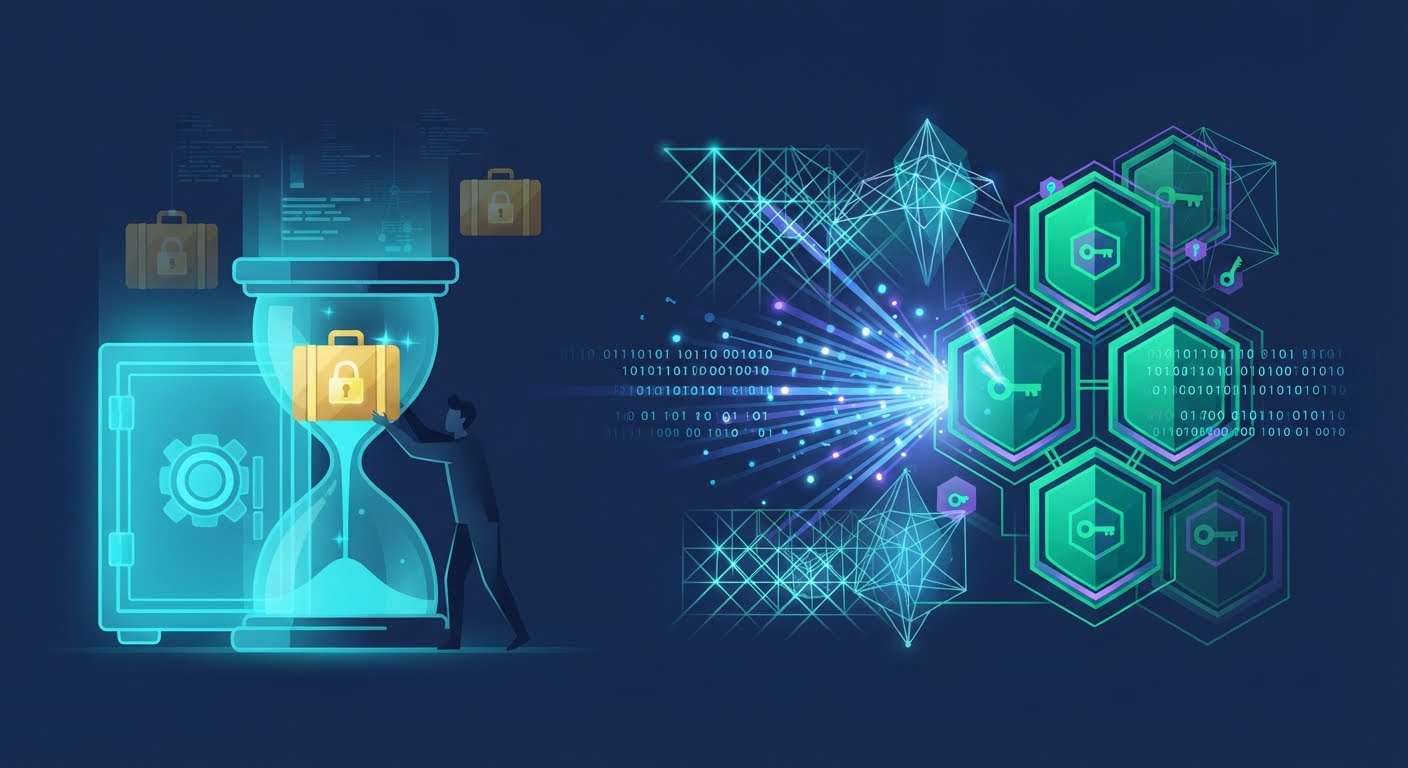
The breach may seem resolved from an external perspective, but the stolen data can continue to pose a threat for years. Attackers may steal encrypted files and hold onto them, waiting for sufficiently powerful quantum computers to decrypt the information. This "harvest now, decrypt later" approach poses a significant risk, particularly for sensitive data such as trade secrets, patient records, or long-term business agreements.
Companies must carefully consider how long they must keep sensitive information private and whether their current protection measures will be sufficient for that duration.
SaltGrain and the NTT Research Cryptography and Information Security (CIS) Lab are exploring a solution by combining post-quantum cryptography with attribute-based encryption (ABE). ABE replaces a list of named recipients with a rule, allowing only individuals with specific credentials to access the encrypted data. This approach ensures that even if the data is stolen, it remains unreadable without the correct credentials.
The research utilizes lattice-based mathematics believed to be resistant to quantum computing attacks, aligning with the post-quantum standards finalized by the National Institute of Standards and Technology in 2024.
Implementing this technology presents challenges, such as managing credential issuance and revocation, as well as ensuring that the encryption does not become outdated as employees or organizations change roles. The encryption process itself can take several milliseconds, and the encrypted output may require several megabytes of storage. While these metrics apply to a specific cryptographic operation, their implications for enterprise workflows remain to be seen.
Companies can begin by assessing the lifespan of their data, categorizing information based on its confidentiality requirements. This approach allows for a targeted implementation of protective measures, starting with the most sensitive data. By addressing the stolen copy early on, companies can mitigate the long-term risks associated with data breaches, even in the face of potential future advancements in quantum computing.
Rewritten by urgent.news; may contain errors — check the original.
Source: hackernoon.com