Why does holding a magnet near a candle make the flame move?
How can a magnet influence a flame? It's less to do with chemistry and more the surrounding air.
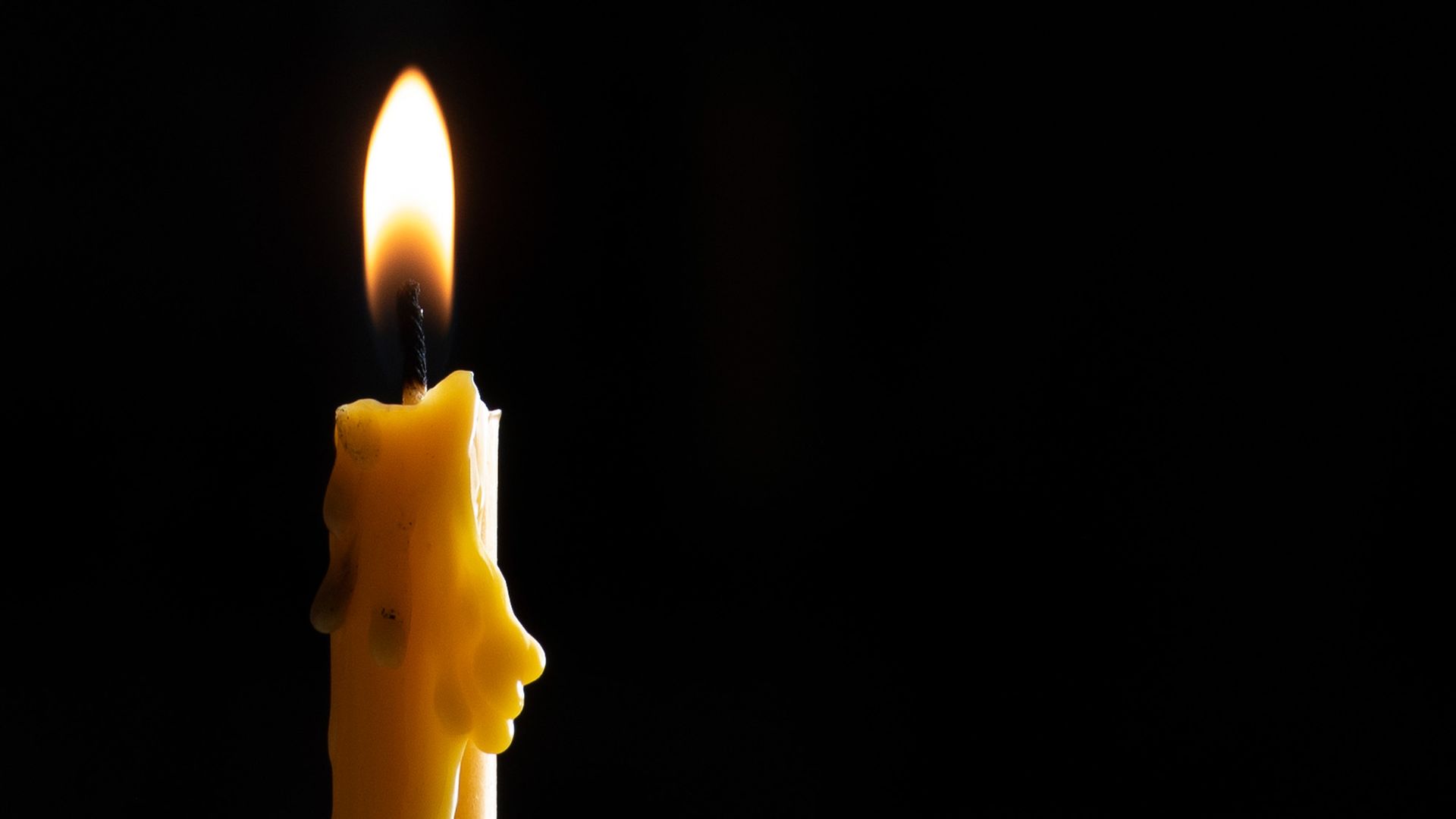
When a strong magnet is brought near a candle flame, the flame bends, deflects, and splits. This seemingly strange phenomenon occurs due to the unique properties of oxygen in the air. Oxygen, which makes up about 21% of the atmosphere, is the only common gas that responds to magnetic fields. Unlike nitrogen and argon, which have their electrons' spins cancel out, oxygen's unpaired electrons make its molecules paramagnetic.
This means they are attracted to magnetic fields, aligning their spins with the field and producing a pull.
When a magnet is positioned close to a flame, it creates a magnetic field gradient that draws cooler, denser air toward the strongest part of the field. This creates a pocket of higher pressure that physically pushes the hot gases away from the flame, causing it to move. The magnetic field lines interact with the spins of oxygen molecules' unpaired electrons, drawing them closer.
As the oxygen in the flame and the post-flame region is consumed, the magnet continues to pull on the cooler air still containing oxygen, causing the flame to "rise" away from the magnet.
In space, where there is no gravity to pull hot gas upward, flames spread in all directions, forming a nearly spherical blue glow. This behavior is different from flames on Earth due to the lack of gravity and the presence of charged particles in the form of plasma. Scientists have found ways to steer flames and even extinguish fires in space using electric fields, as the ionic wind generated by the charged particles can push the flame in a desired direction.
As space exploration continues, understanding how fire behaves in different environments becomes increasingly important for the safety of astronauts and the success of lunar habitats.
Rewritten by urgent.news; may contain errors — check the original.
Source: livescience.com