When is it worth investing in a graphics card repair vs. buying a new one?
A problematic graphics card doesn't necessarily mean you have to rush out and buy a replacement, as some issues are reasonably easy and cheap to fix.
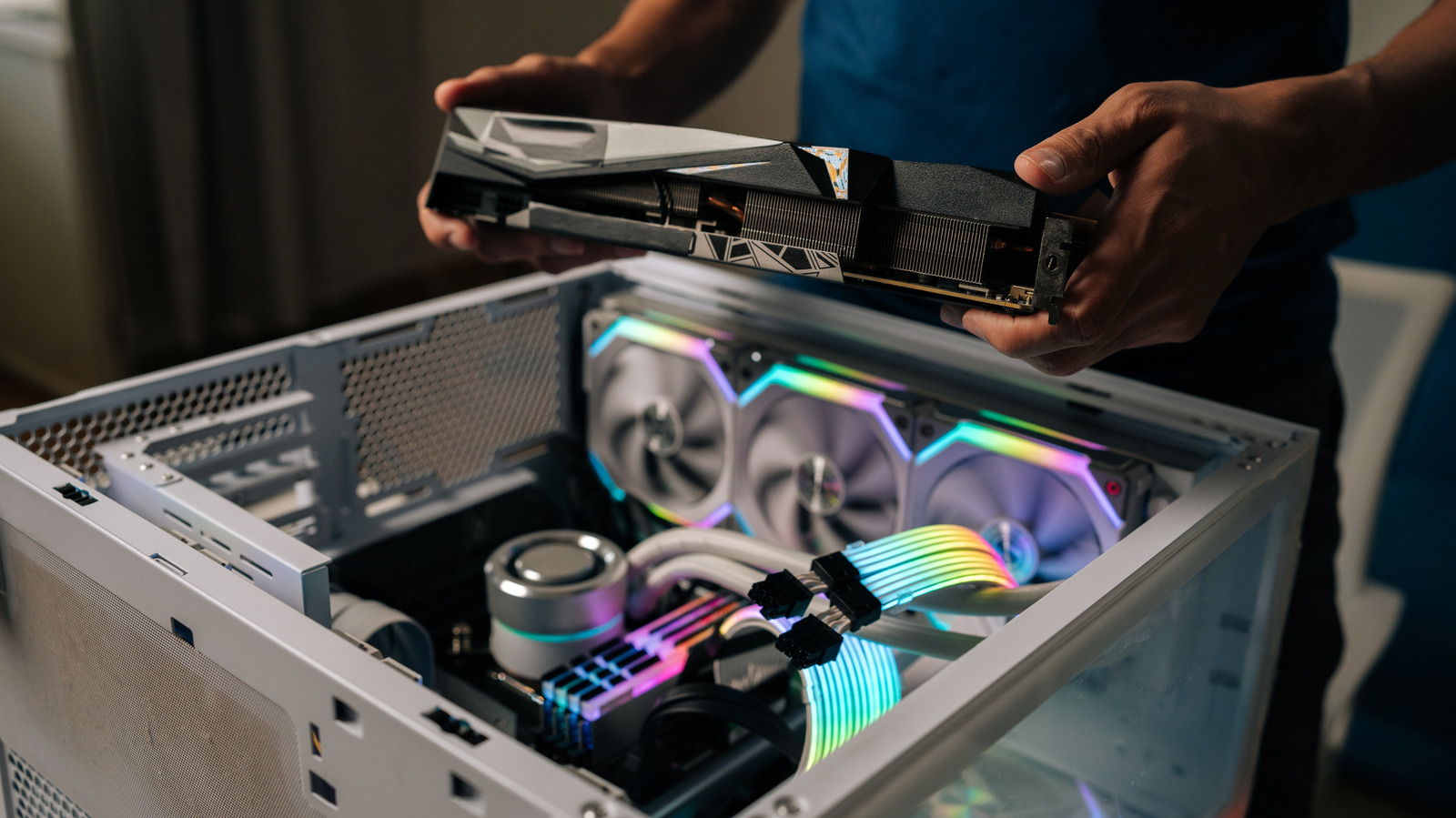
Deciding whether to repair a faulty graphics card or invest in a new one depends on the nature of the issue and the card's overall value. Graphics cards are among the most expensive components in modern gaming PCs, often costing hundreds or thousands of dollars. While they generally last for an extended period, aging GPUs can present various problems, such as graphical glitches, overheating, fans failing to spin at high loads, sudden crashes, or visual artifacts.
The long-lasting memory shortage has driven up prices, making a new graphics card an expensive option. Repairing a graphics card is possible, and in some cases, you might even do it yourself without sending it to a repair center. Overheating can be addressed by replacing the thermal paste, and fans that are dead or nearly worn out can be replaced.
However, some GPU issues require professional repair, which might still be cheaper than purchasing a brand-new card. Graphics cards come with standard warranties, typically lasting three years, but some manufacturers extend this to five years for flagship models. Before attempting repairs, verify if the card is still covered under warranty and, if so, send it back to the manufacturer.
Despite this, GPUs often surpass their warranties, and some may show signs of aging several years into their lifespan. If you notice a decline in performance or choppiness in games on an older GPU, check if it's overheating. Benchmarking tools like Unigine Heaven can help identify temperature issues, and Windows Task Manager can display the GPU's temperature in the Performance tab.
If the temperature exceeds 80 degrees Celsius, overheating is likely the culprit. Overheating can stem from fan malfunctions or dried-up thermal paste. Replacing fans and thermal paste can often resolve these problems. Besides overheating, other issues might be repairable, such as blown capacitors or failed power connectors. However, more complex problems may necessitate contacting specialized repair shops or even replacing the card.
If the graphics card's issues are rooted in the GPU or on-board memory, replacement is the more viable solution. The ongoing RAMageddon has made affordable graphics cards scarce, but used GPUs can provide a cost-effective alternative. Look for models one or two generations older to keep costs down. Nvidia's RTX 30 and 40 series, as well as AMD's RX 6000 and 7000 series, remain powerful enough for modern games. Buying a pre-owned GPU through reputable online marketplaces can be a safe and economical option.
Rewritten by urgent.news; may contain errors — check the original.
Source: engadget.com