Opinion · World
When Indian Navy laid a wreath for sunken PNS Ghazi
In 1975, Vice Admiral SM Ahsan, a former Commander-in-Chief of the Pakistan Navy, journeyed to Bombay to participate in an international maritime gathering as Chairman of Pakistan’s National Shipping Corporation. Overseeing matters on the Indian side was then-Chief of the Naval Staff, Admiral SM Nanda. To honor the visiting dignitary, Admiral Nanda invited Vice Admiral Ahsan and his wife, Begum Ahsan, to a dinner at the Taj Mahal Hotel.
As dinner guests, they were not only distinguished naval officials but also former comrades from the pre-Partition Royal Indian Navy. Ahsan had served as Aide-de-Camp to Lord Louis Mountbatten, the last Viceroy of India, and had been appointed as the first ADC to Muhammad Ali Jinnah just days before India's independence on August 15, 1947.
Prior to his tenure as Governor of East Pakistan from 1969 until the tumultuous spring of 1971, Ahsan had led the Pakistan Navy. During dinner, Vice Admiral Ahsan and Admiral Nanda reminisced about their shared experiences in the unified Royal Indian Navy. Among their close associates was Lieutenant Muzaffar Hassan, who opted for Pakistan after Partition.
By December 1971, these comrades had transformed into adversaries, with Ahsan now commanding the Pakistan Navy and Nanda leading the Indian Navy. The bond that had once brought them together in the wardrooms of a unified navy ultimately led to intense naval warfare. In a poignant culmination of their shared history, Nanda executed aggressive maneuvers, notably missile boat assaults on Karachi during Operations Trident and Python.
Hindered by limited resources and a lack of air cover, Hassan found himself in a desperate defensive position, culminating in significant losses and ultimately resulting in his dismissal from service. Their confrontation symbolized the tragic fallout of Partition, as a border not only divided territory but pitted former brothers-in-arms against each other.
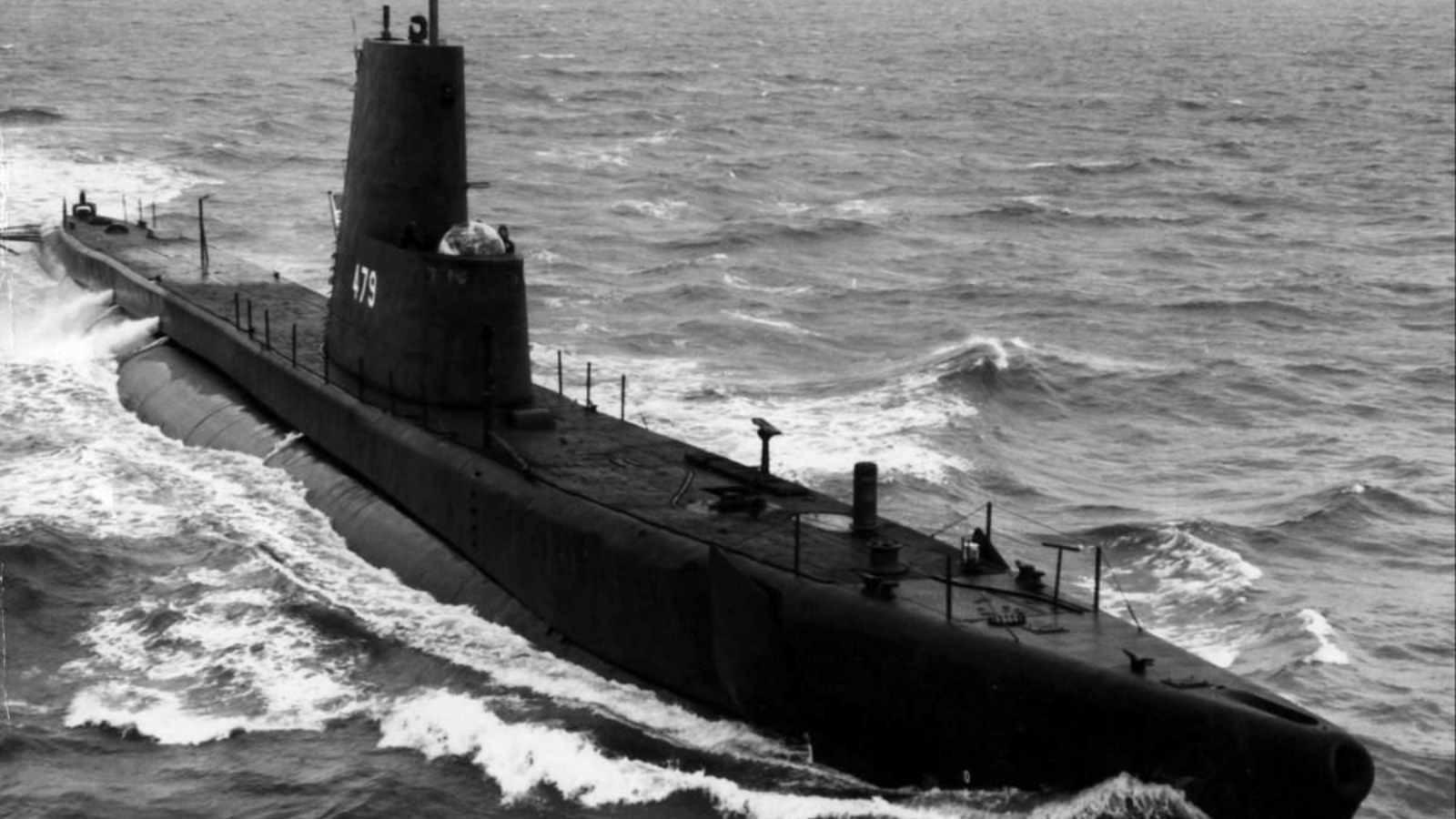
As the evening drew to a close, and the reminiscences subsided, Begum Ahsan was overcome by a profound grief long concealed. She expressed her deep longing to pay her respects to the sunken PNS Ghazi, which had sunk off the coast of Visakhapatnam during the 1971 war. Alongside the vessel were its Executive Officer, Lieutenant Commander Pervez Hameed, who was the son-in-law of their closest family friends, as well as officers and crew members.
Begum Ahsan privately wished to visit the shores of Visakhapatnam, gaze upon the Bay of Bengal, and offer silent prayers over the watery grave of her loved ones. Though Admiral Nanda acknowledged the difficulty of a personal visit due to protocol and the sensitivity of the naval base, he made an extraordinary, compassionate promise to the Indian Navy: they would lay a ceremonial floral wreath in her honor.
I, serving as the Executive Assistant to Admiral Nanda, was summoned late at night to the Taj to report on the mission. Upon arrival, the atmosphere was somber and emotionally charged. Admiral Nanda provided instructions for me to record the details from both Admiral and Begum Ahsan, as he intended to formally request a floral tribute from the Flag Officer Commanding-in-Chief, Eastern Naval Command.
Upon translating Begum Ahsan's heartfelt Urdu inscription into English, I transcribed her words for Admiral Nanda's official request. The following morning, after consultations with Naval Headquarters in New Delhi, Admiral Nanda sent a signal to the Commander-in-Chief of the Eastern Naval Command. Soon afterward, an Indian naval vessel set sail to cast a floral wreath over the waters near Visakhapatnam, carrying Begum Ahsan's written prayers to the resting place of PNS Ghazi.
This touching moment of grace exemplifies the healing power of shared heritage and the chivalry of the sea, transcending the bitterness of war and providing solace to a grieving heart. The author is a retired Army Captain.
Rewritten by urgent.news; may contain errors — check the original.
Source: indianexpress.com