We Can Still End AIDS in America
Reaching the next patient before the virus does, and ending the suffering of HIV and AIDS in America, is entirely within our grasp, write Dr. Dave A. Chokshi and Dr. Demetre C. Daskalakis
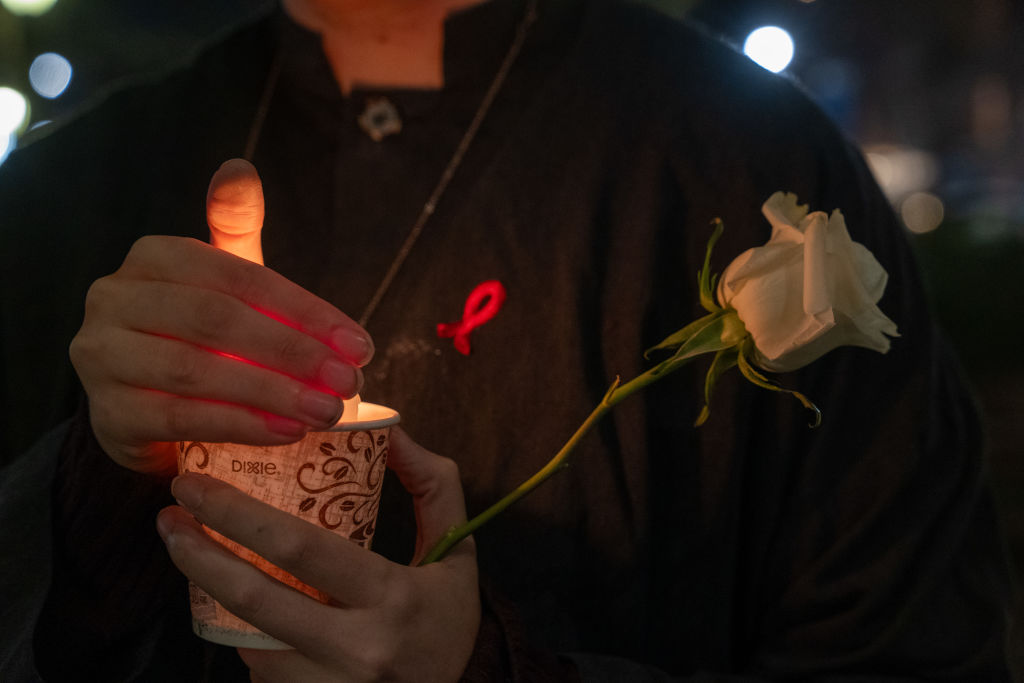
On World AIDS Day, it remains clear that the fight against HIV in America is far from over. In 2024, new HIV infections occurred at an alarming rate of one every hour, with nearly a third of diagnosed individuals not having their virus suppressed. Despite effective treatments, access to care and medication remains a major obstacle for many.
The AIDS epidemic can be likened to a wildfire - while we have the means to quench the flames (antiretrovirals) and prevent new outbreaks (PrEP), lack of access and systemic issues prevent these tools from reaching those who need them most. President Trump's 2020 goal to eradicate AIDS by the end of the decade has proven elusive, as new infections remain far higher than the target for 2030.
However, progress is being made through innovative models like New York City's "status-neutral" framework, which ensures comprehensive care regardless of HIV status. By combining medical treatment with support for housing, nutrition, and mental health, this approach has seen new diagnoses drop by 22% in three years. Other cities are implementing similar strategies, such as using injectable PrEP with longer-lasting effects or newer medications that prove effective even for low-income patients.
The key to ending the epidemic lies in providing access to these life-saving tools while addressing the social determinants of health that often hinder progress. With targeted investments and a coordinated effort, the United States can finally turn the tide on HIV and create a future free from its devastating impact.
Rewritten by urgent.news; may contain errors — check the original.
Source: time.com