Tome And Plume: A Hundred Decembers Back How Sarais Provided Roof Over Heads Of Wayfarers
Bhopal (Madhya Pradesh): December 1, 1926. Late afternoon: A nipping chill began to descend on the dusty roads, from Badosa or Shahzadpura (now Ganj Basoda) to Bhilsa (modern Vidisha), nicking the skin of a farmer travelling alone on a bullock cart. He left his home in Basoda at noon for Bhilsa to settle a land dispute. He wanted to reach the revenue office before the evening, hoping to get a…
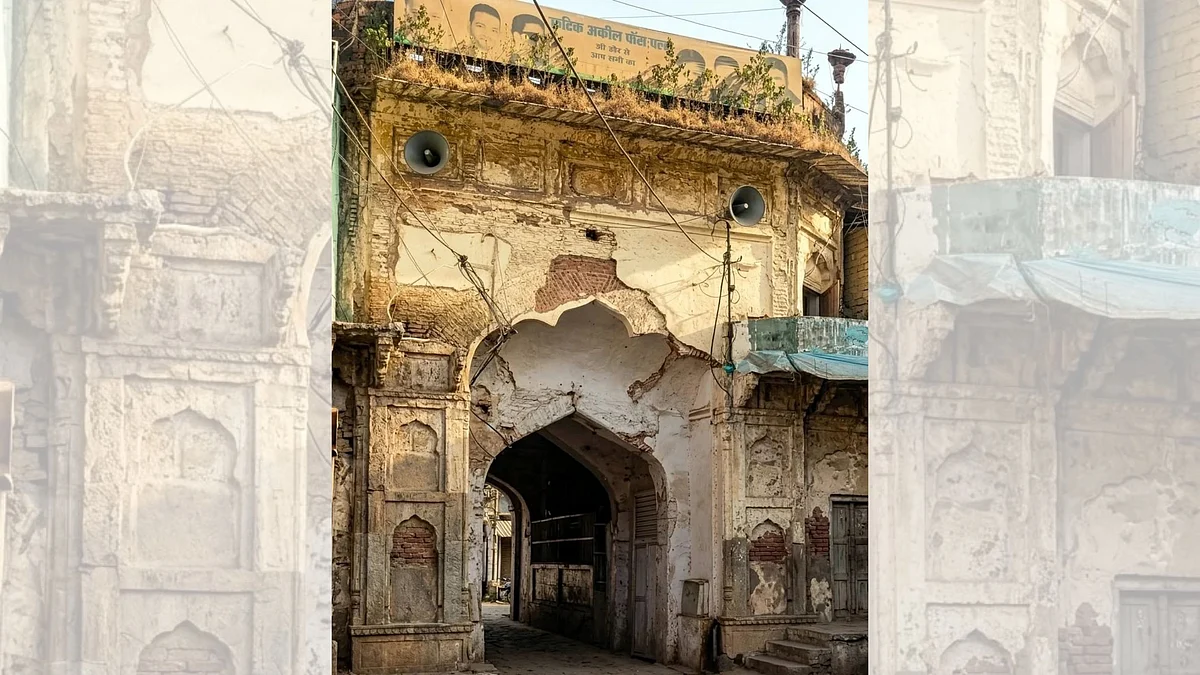
In the past, travellers and wayfarers traversing the dusty roads of Bhopal and its surroundings often found themselves in need of shelter for the night. The Bhopal State Gazetteer, compiled in 1908, highlights the existence of several inns known as sarais, which served as temporary accommodations for those travelling between cities or settlements. These sarais were walled enclosures with small rooms or verandas arranged around an open courtyard, providing a rudimentary but much-needed respite for weary travellers.
Within the city of Bhopal, several sarais were established, such as Sikandar Sarai near the railway station, Sarai Muhammad Ghulam Hussain, Sarai Hafiz Abdul, and Sarai Munshi Munaur Khan. These inns were crucial in providing safety and warmth during the cold December nights, as well as during rainy seasons. Although some of these establishments have disappeared from modern municipal records, they once played a vital role in connecting travelers to their destinations.
The management of these sarais was typically carried out by Bhatiyaras, who would provide straw and firewood for a small fee, depending on the quantity required. Some travellers would also bring their own food supplies to cook meals, or purchase ingredients from the Bhatiyaras. Along the major trade routes connecting Bhopal to other important cities like Raisen, Sehore, Sironj, and Hoshangabad, additional roadside inns like Doraha Sarai and Sehore Sarai were built to cater to the needs of weary travellers.
While the inns provided a basic level of shelter and accommodation, they were far from luxurious. Rooms typically featured bare floors and walls with openings for oil lamps, lacking any furniture. Travellers would carry their own bedding, consisting of a rough cotton mat and blankets, in order to maintain a sense of personal comfort. Although sanitation and safety were governed by the Sarais Act of 1867, the living conditions within these inns were often modest and utilitarian.
Despite the limited amenities, the inns and village hospitality played a crucial role in connecting various regions, with Bhopal serving as a significant layover between Delhi and Mumbai during the reign of Nawab Sultan Jahan Begum from 1901 to 1926. The limited but essential services provided by these establishments enabled travelers to continue their journeys with a semblance of comfort and safety, as they carried on with the simple joys of life, sharing stories and experiences with fellow wayfarers.
Rewritten by urgent.news; may contain errors — check the original.
Source: freepressjournal.in