The stone that helped Darwin study earthworms
A stone is hidden at Leith Hill that helped Charles Darwin prove a theory about earthworms.
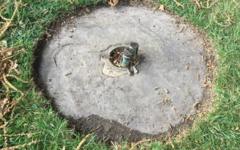
Leith Hill is renowned for its panoramic vistas over Surrey, yet within its woodland lies a stone that played a crucial role in Charles Darwin's investigation into earthworms' impact on the landscape. Catherine McCusker, representing the National Trust, shared with Secret Surrey how Darwin spent decades studying earthworms during his frequent visits to Leith Hill Place, where his sister Caroline Wedgwood resided.
According to McCusker, the naturalist's "worm stone" figured prominently in his research and assisted him in estimating the volume of soil that earthworms could transport per acre. After completing his research, Darwin expressed amazement at the significance of these creatures, stating that no other species had influenced the earth as profoundly.
The scientist and his uncle had been captivated by the mystery of how Roman remains visible above ground eventually became buried beneath soil. Encouraged by his uncle, Darwin set out to investigate the role of earthworms, culminating in his final major publication, The Formation of Vegetable Mould, Through the Action of Worms. McCusker recounted how Darwin would examine the movement of worms and the casts they left behind each morning, devoting nearly 40 years of his life to the meticulous study of these "lowly, organized creatures."
Today, scientists acknowledge earthworms as "ecosystem engineers," playing a vital role in soil aeration and drainage. Despite Darwin's profound contribution, his "worm stone" remains a relatively unknown relic, McCusker noted with a sense of delight, adding that there is no plaque or marker commemorating Darwin's presence at Leith Hill Place.
Rewritten by urgent.news; may contain errors — check the original.
Source: bbc.co.uk