The Outer Solar System May Have Provided Earth's "Core Carbon"
A research team that includes Yale cosmochemist Damanveer Grewal makes the first observational estimate of the isotopic composition of carbon in Earth’s core.
Earth's layered structure reveals insights into its formation and evolution, with distinct layers including a crust, upper mantle, and core. This differentiation occurred early in Earth's history, with heavier elements sinking to the interior, leaving rocky material on top. Carbon, a vital element for life, is found throughout Earth's layers, with the majority residing in the core (0.09% to 2.0% by weight).
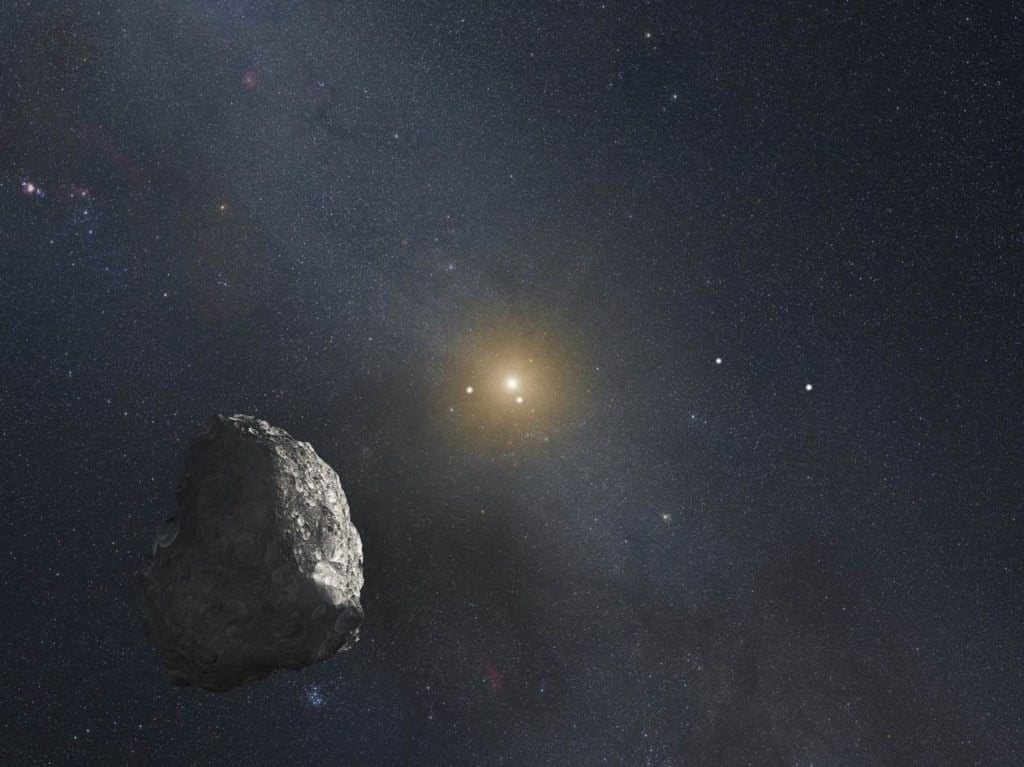
Scientists previously believed Earth's carbon originated in the inner Solar System, similar to other elements. However, a new study by researchers at Yale and Columbia challenges this notion, suggesting that Earth's carbon actually came from the outer Solar System during the planet's final stages of development. The research, published in the Proceedings of the National Academy of Sciences, analyzed magma droplets from historic volcanic eruptions in Hawai'i.
These droplets, known as "melt inclusions," are snapshots of Earth's interior at the time of eruption and provide clues about its composition. The study found a unique heavy carbon-13 signature in some of these droplets, indicating that the carbon originated from the boundary area between Earth's core and mantle. This is the first observational estimate of the isotopic composition of carbon in Earth's core, according to co-author Damanveer Grewal.
The carbon samples found could not have come from carbon-poor rocky material, as it originated in carbon-rich meteorites called carbonaceous chondrites, which are known to contain organic compounds and water. The study also suggests that the carbon was introduced to Earth during the final stages of its main assembly, also known as the giant impact or late accretion phase, about 4.5 billion years ago when Theia, a Mars-sized protoplanet, collided with Earth, leading to the formation of the Earth-Moon system.
Rewritten by urgent.news; may contain errors — check the original.
Source: universetoday.com