Soaring borrowing costs deepen gap between Korea's chip-led growth, household finances
Korea’s economy grew over 3 percent in the third quarter and annual exports have already topped $1 trillion, but the gains have yet to reach many small businesses and households, exposing a widening divide between the country’s headline growth and the financial realities of ordinary people. Nowhere is this disconnect becoming more tangible than in household finances, as rising borrowing costs add…
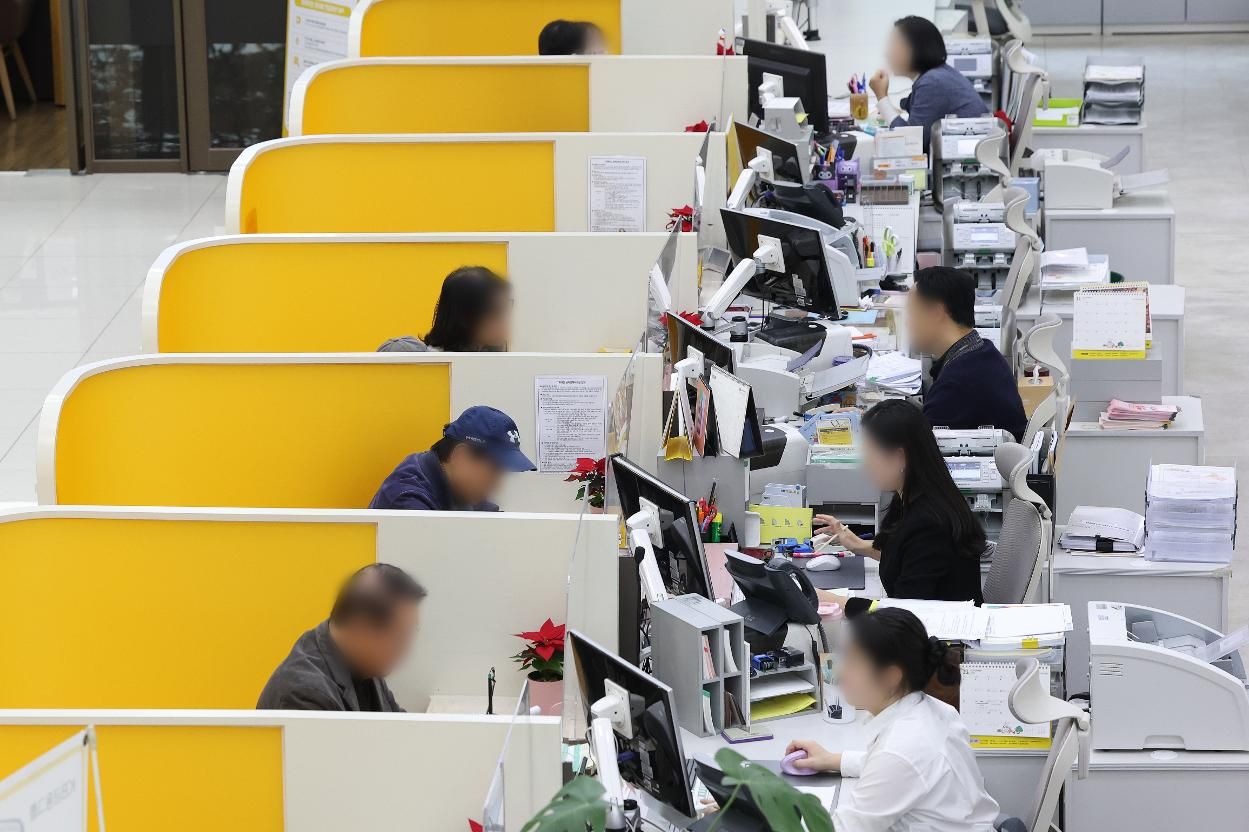
Korea's economy expanded by more than 3 percent in the third quarter, with annual exports surpassing $1 trillion. However, the benefits of growth have not trickled down to many small businesses and households, highlighting a growing gap between the nation's headline economic performance and the daily financial struggles of ordinary citizens. This disparity is particularly evident in household finances, where mounting borrowing costs are placing additional strain on already tight household budgets.
A small business owner named Park, a 60-year-old manufacturer based in Seongnam, Gyeonggi Province, expressed his discontent with the widespread perception of robust economic figures. "While economic numbers are strong, the growth seems to be concentrated in big companies and exporters. For the average person like me who is struggling to make ends meet, it feels like a different world," Park lamented.
The Bank of Korea (BOK) responded to the mounting pressure on the economy by increasing its benchmark interest rate by 0.25 percentage points to 3.25 percent. This move is aimed at tempering inflationary pressures while attempting to maintain the country's impressive economic expansion. However, experts are concerned that the higher borrowing costs will exacerbate the existing divide between the thriving tech and export-driven sectors and the everyday financial hardships faced by many Korean households.
Rewritten by urgent.news; may contain errors — check the original.
Source: koreatimes.co.kr