Opinion · World
New councillors face the realities of governing South Africa’s municipalities
South Africa’s newly elected councillors face complex rules, weak oversight systems and intense service-delivery pressure. Their success will depend not only on political leadership, but on whether municipalities provide the training and support needed to govern effectively.
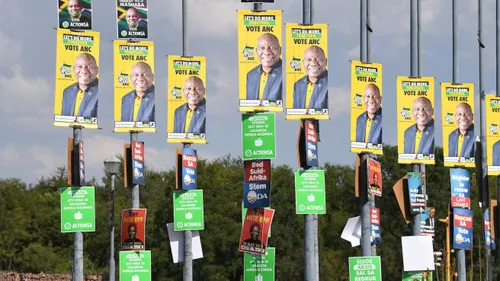
The recent local government elections in South Africa saw a total of 10,526 councillors elected across 4,485 wards in the country's 257 municipalities. As these newly elected officials take their seats, they confront the harsh realities of governance that often diverge from the promises made during their campaigns.
In the City of Tshwane, for instance, a newly appointed Member of the Municipal Committee (MMC) for water is immediately faced with addressing an angry community about the persistent water crisis. Residents expect immediate solutions, even before the new office-holder has fully grasped the problem and its technical complexities.
For these incoming officials, their success hinges largely on the cooperation and competence of senior management. However, not all senior officials share the same political vision or priorities, creating potential challenges for the new councillors. Moreover, they must navigate a maze of bureaucratic processes, budgeting procedures, and legislative compliance, often finding themselves overwhelmed by the intricacies of local government administration.
During their induction program, councillors receive a brief introduction to the constitutional objectives of local government, their roles, and the legislative framework governing municipalities. Yet, this brief exposure often leaves them unprepared to navigate the system effectively. Preparing for a council meeting can involve working through thousands of pages of reports, financial statements, and policy documents in just a few days.
Councillors must also find ways to formulate informed positions on various issues within tight speaking slots, often having to defend their viewpoints in formal rules of procedure rather than the fiery rhetoric of election campaigns. This shift in focus can be particularly challenging for councillors representing smaller or opposition parties.
As service delivery expectations go unmet, councillors face mounting frustration from residents, media scrutiny, and declining public trust. Despite these challenges, they are still expected to perform multiple roles and remain accessible around the clock, often operating as part-time representatives without the dedicated staff, research support, or administrative resources needed to address every demand effectively.
The columnist argues that while councillors play a crucial role in local government, the responsibility for fixing systemic issues lies beyond their individual capacities. They require comprehensive support, resources, and collaboration from both the broader municipal system and the public to truly make a difference.
Rewritten by urgent.news; may contain errors — check the original.
Source: iol.co.za