Neither glitter, nor gold: The 17-kg rock a man tried to smash open was hiding a 4.6-billion-year-old secret
Its exterior carried a dimpled appearance, believed to have formed as the meteorite's surface melted and was reshaped by the intense heat of its passage through Earth's atmosphere.
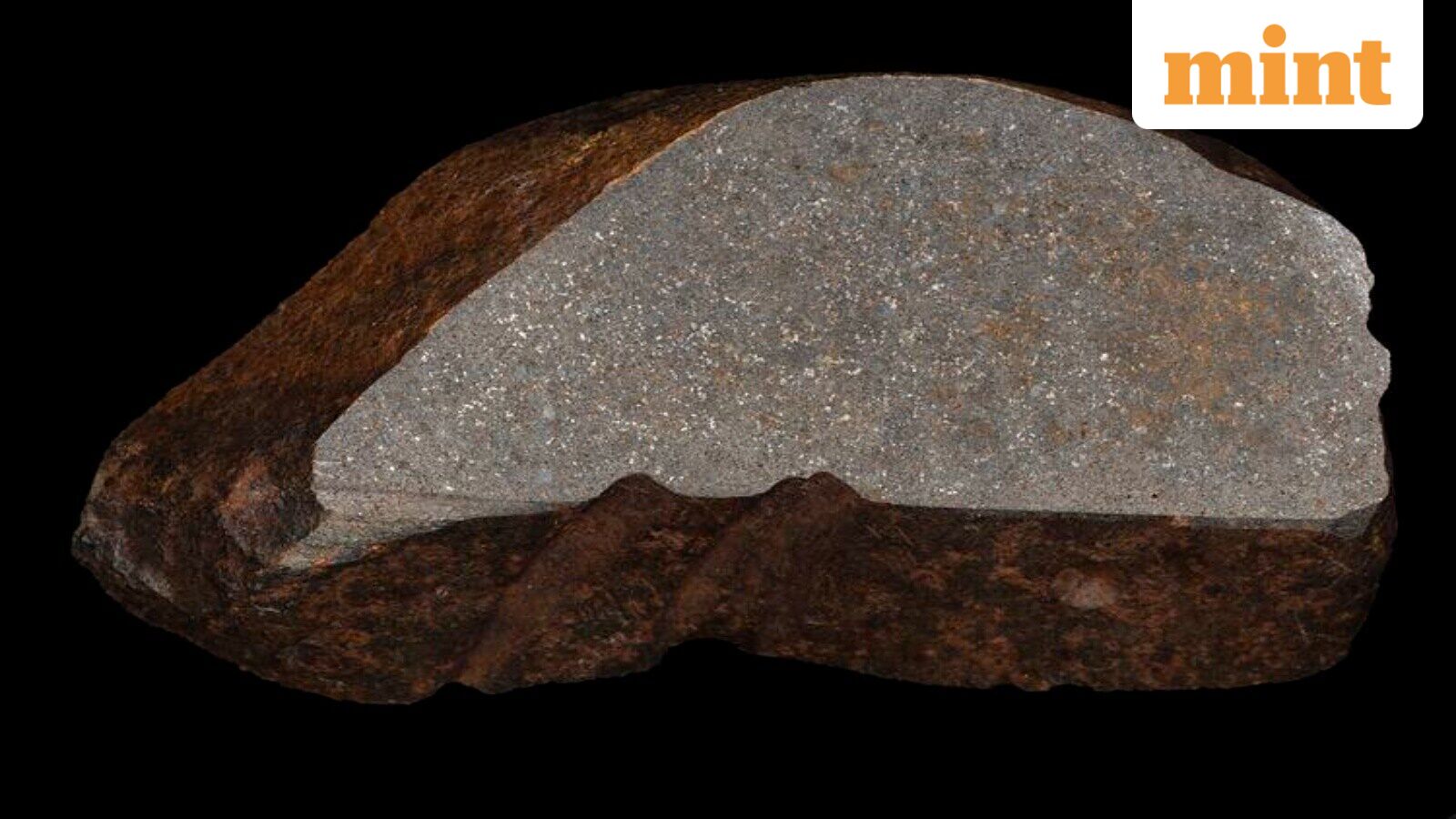
David Hole was out metal detecting in Victoria, Australia, when he stumbled upon a large, reddish rock in a patch of yellow clay. The rock seemed unusually heavy for a terrestrial rock, leading Hole to suspect it might contain a hidden treasure. After several attempts to crack the rock open, including using a metal saw, angle grinder, drill, and even acid, Hole eventually sought help from scientists.
Upon closer examination, scientists determined the rock was not gold but a meteorite, a rare piece of space debris that had traveled through the cosmos for billions of years before landing in Australia. The meteorite, weighing 17 kg (37.5 pounds), was classified as an H5 ordinary chondrite, a type of meteorite that contains a high proportion of iron and crystallized silicate minerals known as chondrules.
Geologist Dermot Henry, who works at the Melbourne Museum, noted that only two out of thousands of rocks brought in by the public have been confirmed as genuine meteorites. The Maryborough meteorite's sculpted, dimpled appearance and unusual weight provided clues that it was a meteorite. The rock had been on Earth for less than 1,000 years, although its exact arrival date remains unknown.
Meteorites offer scientists a unique opportunity to study the early history of the Solar System, as they contain material that formed around 4.6 billion years ago. By studying meteorites, researchers can learn about the conditions that existed before planets formed, including the age and composition of the Solar System. The Maryborough meteorite is among the rarest finds in Victoria, Australia, and is one of only 17 meteorites recorded in the state.
Rewritten by urgent.news; may contain errors — check the original.
Source: livemint.com