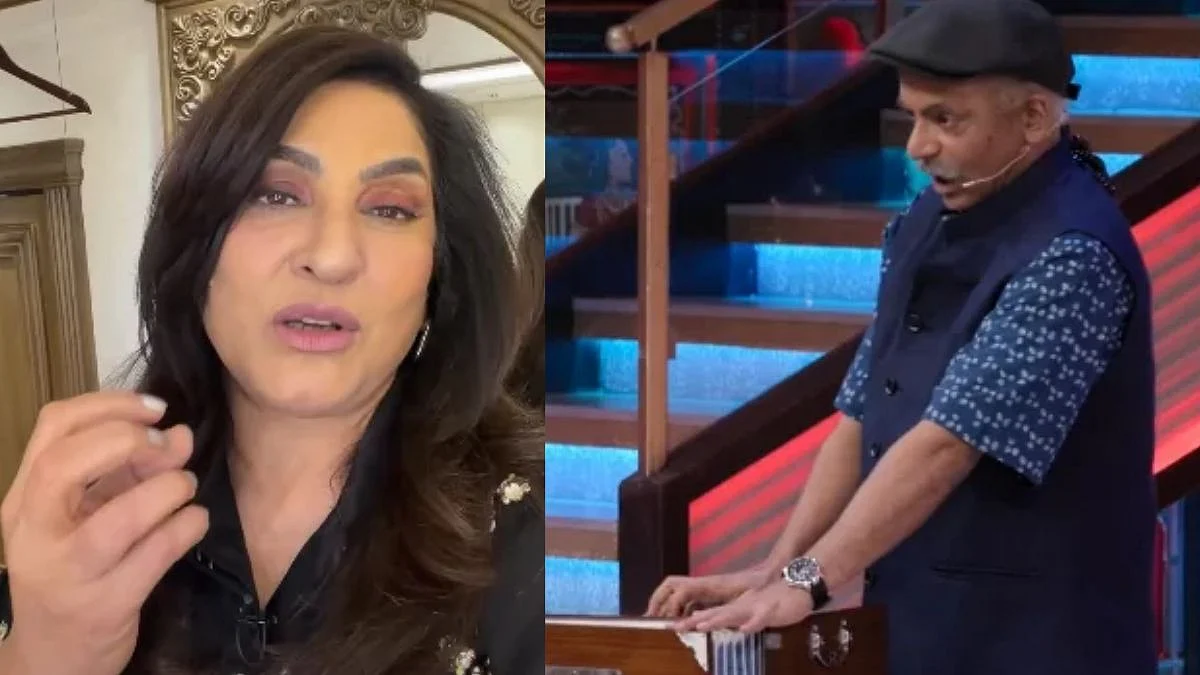
Mouni Roy carries a 2-litre water bottle to the gym: Expert explains how much water you need during workouts

Fitness influencer Mouni Roy recently shared a video of herself carrying a 2-litre water bottle to the gym. The purpose, according to her, is to set a hydration target and ensure she drinks enough water throughout her workout. Hydration plays a crucial role in any exercise regimen, whether it involves strength training, cardio, or high-intensity activities.
Dr. Dharam Pandey, a physiotherapist at ShardaCare - Healthcity, explains that during physical exertion, the body produces heat and loses water through sweat. If these fluids are not replenished, dehydration can occur, leading to fatigue, dizziness, headaches, muscle cramps, and decreased exercise performance. Drinking water before, during, and after exercise is crucial for maintaining blood circulation, regulating body temperature, and supporting normal muscle function.
This is especially important during intense workouts, extended training sessions, and exercise in hot or humid conditions.
For adults, a general guideline is to consume around 400-600 ml of water approximately two hours before exercising. During a workout, aim for about 150-250 ml every 15-20 minutes, adjusting the amount based on thirst, sweat loss, and comfort. Typically, water alone is sufficient for workouts lasting less than an hour. However, for prolonged or particularly intense sessions exceeding 60-90 minutes, especially in hot conditions, an electrolyte-rich beverage may be beneficial to replace sodium and other minerals lost through sweat.
After exercising, it's essential to continue drinking water to replenish the fluids lost during the session. Dr. Pandey notes that urine color can serve as a simple indicator of hydration, with pale-yellow urine generally indicating adequate hydration. However, urine color alone is not a definitive measure. While dehydration is a concern, overhydration is equally dangerous.
Drinking excessive amounts of water, especially in a short period, can dilute sodium levels in the blood, potentially leading to exercise-associated hyponatremia, a serious condition. Therefore, it's important not to force yourself to drink more water than your body requires.
Rewritten by urgent.news; may contain errors — check the original.
Source: indianexpress.com