KMA, PHC intensify campaign against excessive salt consumption to reduce non-communicable disease prevalence in Kumasi
The Kumasi Metropolitan Assembly (KMA), in partnership with the Partnership for Healthy Cities (PHC), has intensified its salt-reduction campaign with a one-day stakeholder sensitisation programme in the metropolis.

The Kumasi Metropolitan Assembly (KMA) and the Partnership for Healthy Cities (PHC) have ramped up their efforts to combat excessive salt consumption, with the aim of decreasing the prevalence of non-communicable diseases in the city. This intensified campaign was initiated following the KMA's 2025 ban on the open display of salt in eateries, which seeks to encourage healthier eating habits and mitigate the dangers associated with consuming too much salt.
Research conducted by the KMA and its partners has uncovered that many food establishments in Kumasi commonly display salt openly, making it easier for consumers to add excessive quantities of salt to their meals. This habit is contributing to the growing risks of non-communicable diseases such as hypertension, kidney damage, and other related illnesses among the city's residents.
Public Health and Nutrition Professional Sandra Ama Pomaa Asuming of the Kumasi Health Directorate emphasized that while salt is essential for the human body, excessive intake should be discouraged. According to the World Health Organization, the recommended daily salt consumption limit for an individual is about five grams, equivalent to roughly one teaspoon.
Mrs. Asuming explained that consuming too much salt can lead to high blood pressure due to its ability to retain water in the body. Furthermore, high salt consumption can contribute to the formation of plaques in arteries, narrowing them and forcing the heart to exert more effort to pump blood throughout the body.
The public health initiative to reduce salt consumption is viewed as a positive step, and the KMA is urging the public to take personal responsibility for their health. Mrs. Asuming advised that individuals should reduce their salt intake, even though salt is necessary for bodily functions. Food service operators are also encouraged to adopt healthier cooking practices and adhere to the ban on the open display of salt in their establishments.
This support is crucial in reducing excessive sodium intake among the public and combating hypertension in Kumasi.
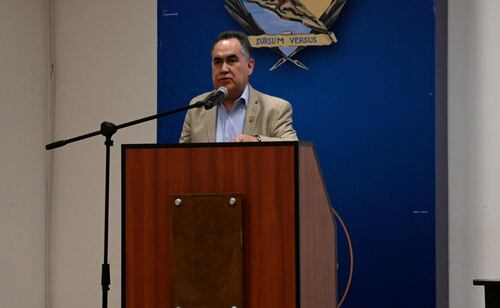
On November 26, 2026, a one-day stakeholder sensitization programme took place in Kumasi to educate about the health implications of consuming excessive salt. The event gathered approximately 200 cooks, caterers, and food vendors from the five sub-metros of Kumasi for an informative session. Dr. Patricia Owusu Darko, a Senior Lecturer in Food Science and Technology at Kumasi Technical University and a member of the PHC Policy Implementation Team, highlighted the use of natural spices and seasonings as a healthier alternative to artificial spices.
She pointed out that Ghana possesses a wealth of natural ingredients that can enhance food's taste and aroma without the risks associated with excessive sodium consumption.
The stakeholder engagement aimed to equip food service operators with practical knowledge on reducing salt content in food preparation and promoting healthier eating habits across Kumasi. The success of this intervention is largely dependent on the cooperation of cooks, caterers, and food vendors, who serve as the initial point of contact for consumers and directly influence the amount of salt in meals.
Nana Akua Henewaa, Queenmother for Local Cooks, expressed gratitude to KMA and PHC for the initiative and pledged their cooperation in educating the public about the dangers of excessive salt consumption. The KMA remains committed to working with food service operators, stakeholders, and the public to foster healthier food choices and improve the overall health of Kumasi.
Rewritten by urgent.news; may contain errors — check the original.
Source: myjoyonline.com